Unveiling The Hidden World of Water: Things You Didn’t Know Revealed Water is an essential and fundamental element in life, but how much do you know about it? In this article, we will take you on a journey to explore the mysteries of the hidden world of water. From fascinating water facts to uncovering the secrets that lie beneath the surface, prepare to be amazed and enlightened. Key Takeaways: The world of water is far more mysterious and complex than you might have imagined Water has unique properties that make it behave differently than other liquids Underwater life is full of strange and fascinating creatures and ecosystems Water’s role in Earth’s systems is crucial and has a significant impact on our planet and climate Exploring the hidden world of water can deepen our appreciation for this precious resource The Hidden World of Water: Things You Didn’t Know Revealed – Exploring the Lesser-Known Water Realm fascinating water discoveries: Have you ever wondered about the secrets hidden deep within the world of water? This essential element holds many mysteries, which we are about to explore in this section. Unknown water phenomena continue to puzzle researchers and explorers alike. From whirlpools that seem to appear out of nowhere to underwater sinkholes that can swallow boats whole, the depths of our oceans and lakes are truly fascinating. But it’s not just the unexplained that draws us into the lesser-known water realm. Hidden water knowledge, such as the unique properties of water, also intrigues us. Did you know that water is the only substance that can dissolve all three states of matter – solid, liquid, and gas – in significant amounts? Or that water can even break the laws of physics and flow uphill under certain conditions? The hidden world of water also holds many fascinating discoveries waiting to be uncovered. From ancient shipwrecks to thriving underwater ecosystems that remain largely untouched by humans, there is still so much we have yet to explore. The Hidden World of Water: Things You Didn’t Know Revealed brings to light these lesser-known aspects of water, providing insight into the intriguing and often undiscovered aspects of this essential element. Lesser-Known Water Phenomena Phenomenon Description Underwater Sinkholes A sinkhole is a depression or hole in the ground caused by the collapse of the surface layer. But what happens when that collapse occurs underwater? Underwater sinkholes are some of the most dangerous water phenomena, as they can swallow boats and scuba divers whole. Whirlpools Whirlpools, also known as maelstroms, are created when opposing currents meet. These powerful vortices can appear out of nowhere and are capable of dragging in anything caught in their path. Ice Circles Ice circles are mysterious circular formations that appear on the surface of frozen bodies of water. They are created by eddies in the water, causing ice to rotate, creating a circular shape. The Hidden World of Water: Things You Didn’t Know Revealed also explores many other surprising water discoveries, unlocking the secrets of fluid dynamics, unraveling the mysteries of underwater life, and examining the crucial role water plays in Earth’s systems. The Secrets of Fluid Dynamics Have you ever wondered why water behaves the way it does in different environments? As it turns out, water has unique properties that make it distinct from any other substance on Earth. Let’s explore some of the surprising information about water’s interactions with our world. Surface Tension Water has an attraction between its molecules, called cohesion, which gives rise to surface tension. This can be seen in action by observing the way a water strider can walk on top of water without falling in. The surface tension of water also allows certain insects like mosquitoes to lay their eggs on the water’s surface. Viscosity Unlike other liquids that become less viscous (thinner) as they’re heated up, water has a maximum viscosity at 4°C and becomes less viscous as it either cools or heats up. This can be observed in nature as ice, which is less dense than water, floats on the surface of a body of water. Cavitation and Supercavitation Water can undergo cavitation, where it boils due to a sudden pressure drop, creating tiny bubbles that can damage machinery like boat propellers. On the other hand, supercavitation involves creating larger gas bubbles to allow an object, say a torpedo or even a human, to travel at high speeds underwater with reduced drag. Unraveling the Mysteries of Underwater Life Dive deep into the ocean’s depths and explore the secrets of underwater life. Did you know that the ocean contains over 230,000 known species and an estimated two million more that haven’t yet been discovered? Many of these fascinating aquatic creatures have unique adaptations that allow them to thrive in their underwater environments, such as the bioluminescent anglerfish and the nearly transparent glass squid. One of the most intricate ecosystems found in the ocean is the coral reef. Covering just 1% of the ocean floor, coral reefs support over 25% of all marine life on Earth. These stunning ecosystems showcase the incredible diversity of underwater life, from tiny plankton to massive whales. Fun fact: Did you know that one of the largest living organisms on Earth is a coral reef system in the Pacific Ocean? The Great Barrier Reef, located off the coast of Australia, consists of over 2,900 individual reefs and stretches more than 1,400 miles long. “The ocean stirs the heart, inspires the imagination and brings eternal joy to the soul.” – Robert Wyland The Role of Water in Earth’s Systems Did you know that water is responsible for shaping much of the world around us? Exploring the lesser-known water realm has taught us surprising water information, revealing water secrets that have been hidden for too long. Let’s dive deeper into the role of water in Earth’s systems to better understand the fascinating ways it impacts our planet. Water Cycle The water cycle is essential to life on Earth, and it all starts with evaporation. As the
Read More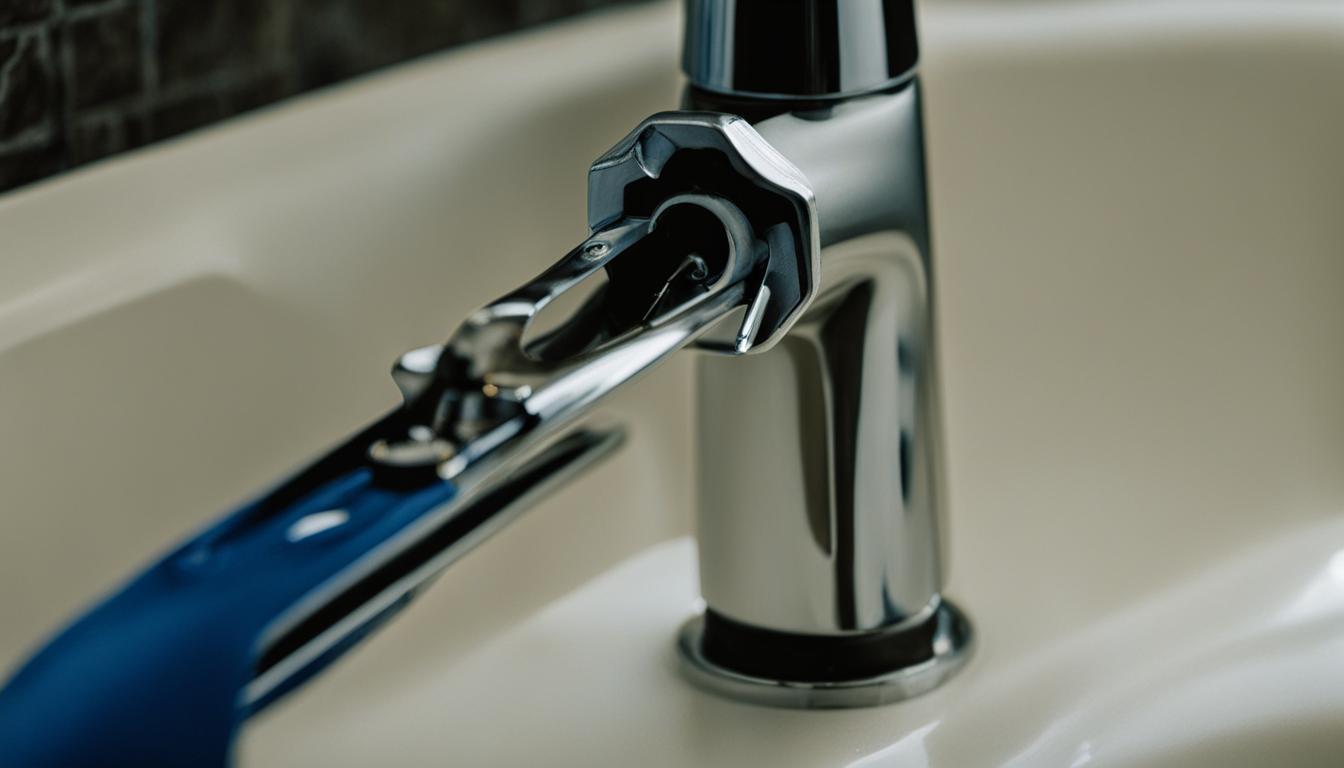
Fix Your Leaking Faucet Quickly & Easily If you’ve discovered a persistent drip that’s keeping you up at night, don’t worry. You’re about to learn how a DIY Faucet Repair can be simpler than you think. With a bit of time and the right guidance, you can stop a leaking faucet and take pride in your handiwork. Tackling basic faucet maintenance not only saves you money but also conserves water, making each drop count. Ready to roll up your sleeves and get started? Take comfort in knowing that with a few straightforward steps, you’ll have that drip fixed in no time. Key Takeaways Empower yourself with the ability to fix a leaky faucet, avoiding pricey plumbing bills. Understand that regular faucet maintenance is key to long-term water conservation. Embrace the simplicity of home sink DIY projects and gain confidence in your repair skills. Gain the satisfaction of resolving household issues promptly through self-reliance. Learn to identify the signs of a faucet needing attention to prevent potential water damage. Understanding Your Faucet’s Components Embarking on a journey to fix a leaky faucet requires a fundamental understanding of its various components and how they function together. In this section, we’ll delve into the diversity of faucets you might find in your home and explore their anatomy. This knowledge is crucial for effective faucet troubleshooting and will empower you to fix leaking faucets with confidence. Identify Your Faucet Type Before you pick up a wrench, it’s imperative to identify what type of faucet you have. This dictates the steps you’ll take for diagnosis and repair. Common types include: Compression Faucets: These rely on rubber washers to seal the valve seat, and leaks often signal that these washers need replacement. Cartridge Faucets: These may have one or two handles and use a cartridge to control water flow. When fixing a leak, the cartridge might require substitution. Ball Faucets: With a single handle that moves over a rounded cap right above the spout, the ball faucet might need new O-rings or a replacement of the entire ball assembly. Disc Faucets: These feature a single lever over a wide cylindrical body and are known for their durability. However, sediment buildup might cause leaks, requiring cleaning or part replacement. Common Parts of a Faucet To get to the root of your leaky faucet, understanding the common parts that may be responsible is key. These parts include: Handles: They allow you to regulate both temperature and flow rate. Spout: The part from which water flows out into your sink or tub. Washers: Generally located within the handles, they can become worn and cause dripping. O-rings: These provide a water-tight seal but can deteriorate over time, leading to leaks. Valve Seats: A connection point within the faucet body, these can corrode and might require cleaning or replacement. Tools You’ll Need for Faucet Repair Having the right tools on hand is an essential step in tackling any plumbing task. To fix leaking faucets effectively, gather these tools before commencing: Tool Function Adjustable Wrench Useful for loosening and tightening nuts and fittings Philips & Flat-Head Screwdrivers Required for handling different screw types on the faucet Plumber’s Tape Used to secure a tight seal on threaded joints Replacement Parts (if necessary) Includes washers, O-rings, cartridges, or other specific parts depending on your faucet type Pliers For gripping and holding pipes or other small components With a clear grasp of your faucet’s design and the necessary toolkit, you are well-prepared to proceed with faucet troubleshooting and the steps required to fix your leaky faucet. The Common Causes of a Leaking Faucet Nothing is more aggravating than the constant drip-drip of a leaking faucet. Understanding the root causes of a faucet leak can save you from the frustration and the needless spike in your water bill. Let’s dive into what might be causing that pesky faucet leak and how you can take charge of the situation with faucet repair. Worn Out O-rings and Washers The O-ring is a small disc attached to the stem screw that holds your faucet handle in place. Over time, O-rings and washers can wear out or become loose, causing a noticeable leak near the handle. Conducting routine faucet maintenance is essential in catching these issues early on. Corroded Valve Seats Another common contributor to faucet leaks is the corrosion of valve seats, which are the connection points between the faucet and the spout. Water sediment can accumulate and corrode valve seats, leading to a dripping faucet spout. Regular cleaning can limit sediment buildup and prolong the life of your faucet’s components. Improper Installation of Faucet Components At times, leaks stem from improper installation of faucet parts. This can lead to misalignment and undue pressure on various components, which in turn causes leaks. Ensuring that each part is correctly installed is key to preventing future leaks and ensuring the longevity of your faucet. Cause of Leak Symptoms Potential Fixes Worn Out O-Rings/Washers Leakage from the handle Replace O-Rings/Washers Corroded Valve Seats Dripping from the spout Clean or Replace Valve Seats Improper Installation Varied Leaking Points Reinstall Correctly Armed with knowledge of these causes, you’re better prepared to tackle that faucet repair and say goodbye to that dripping faucet once and for all. Preparatory Steps Before Fixing Your Faucet Embarking on faucet troubleshooting and faucet maintenance is essential for addressing the pesky problem of a leaking faucet. But before you dive into the depths of your plumbing, it’s important to set the stage for a safe and successful repair job. Ensuring that you’re adequately prepared will streamline the process and prevent any unnecessary complications. Clean and Clear Work Area: Remove any items from under the sink and around the work area to give yourself ample space to operate. Gather Your Tools and Parts: Double-check that you have all the necessary tools and replacement parts you might need within reach. Shut Off the Water Supply: This is a critical safety measure that will help prevent water from gushing out once you
Read More
Smart Strategies to Save on Your Home Heating Bill Winter is coming, and with it, increased heating costs. Luckily, there are many smart strategies you can use to save on your home heating bill. By implementing energy-efficient heating tips and cost-effective home heating solutions, you can reduce your heating expenses significantly. In this section, we will explore some of the best strategies for reducing your home heating bill. We’ll cover energy-efficient heating tips, affordable heating options, and the importance of maintaining your heating system. Key Takeaways: By implementing smart strategies, you can reduce your home heating bill. Energy-efficient heating options can lower your heating expenses and reduce energy waste. Several affordable heating options can help you cut down on heating expenses without sacrificing comfort. Proper maintenance of your heating system is crucial for achieving heating bill savings. Every small step towards energy efficiency contributes to a greener, more sustainable future. Boosting Energy Efficiency Lower your home heating costs by boosting the energy efficiency of your house. Proper insulation, draft-proofing, and use of programmable thermostats are some of the energy-saving strategies for home heating that you can use. Proper Insulation Insulating your home properly is crucial in reducing energy waste and lowering your heating expenses. Insulate your walls, ceilings, floors, and basement to prevent heat from escaping. Proper insulation will also keep your home cool during the summer. Draft-Proofing Sealing drafts around windows, doors, and vents can prevent cold air from entering your house and warm air from escaping. Caulk and weatherstrip doors and windows, install door sweeps and use foam gaskets on electrical outlets and light switches. Programmable Thermostats Programmable thermostats allow you to preset your home’s temperature, reducing the amount of energy used when you’re away or asleep. Lowering the thermostat by one degree Celsius can reduce your heating bill by up to 3%. “A programmable thermostat can help you save up to $180 a year on heating and cooling expenses.” By following these energy-saving strategies for home heating, you can reduce your heating expenses and decrease your carbon footprint, all while keeping your home comfortable. Affordable Heating Options When it comes to cutting down on heating expenses, affordable heating options can make a real difference. Space heaters and pellet stoves are two alternatives to traditional heating systems that can be both cost-effective and energy-efficient. Space heaters are portable and can be used in specific rooms rather than heating the entire house. Pellet stoves use compressed wood or biomass pellets for fuel, which are much cheaper than oil or gas. If you opt for these alternatives, it’s essential to maximize their efficiency. For example, ensure that you are using the correct size space heater for your room and only running it when you’re in the room. Pellet stoves should be maintained regularly, and the hopper should be kept full for optimal performance. Additionally, consider upgrading to more energy-efficient heating systems. Research different models, compare their energy efficiency ratings, and decide which system best suits your home and budget. Ultimately, investing in cost-effective heating solutions now can lead to significant savings on your heating bill in the long run. Maintaining Your Heating System Proper maintenance of your heating system is essential to achieve heating bill savings. By taking care of your heating system, you can ensure it runs efficiently and reduce your tricks to save money on home heating. Here are some tips to maintain your heating system: Task Frequency Clean or replace filters Every 1-3 months, depending on usage Inspect and clean ducts and vents Every 2-3 years Schedule professional HVAC inspection and maintenance Once a year Check and optimize thermostat performance As needed Regular cleaning and replacement of filters ensure your heating system works efficiently. Clean ducts and vents improve airflow and reduce energy waste. Professional inspections can identify potential issues and ensure the system operates at optimal efficiency. Checking and optimizing thermostat performance also ensure the system works efficiently. By putting in a little extra effort to maintain your heating system, you can achieve great heating bill savings and keep your home warm and cozy! Conclusion Congratulations on taking the first step towards reducing your heating expenses and achieving heating bill savings. By implementing the smart strategies discussed in this article, you can lower your home heating costs significantly. Boosting energy efficiency through insulation and draft sealing, using cost-effective heating alternatives like space heaters and pellet stoves, and regularly maintaining your heating system are just a few of the ways to cut down on heating expenses. These simple steps can make a big difference in your wallet and our environment. Remember, every small effort towards energy efficiency counts. Start incorporating these tips into your daily routine and enjoy the benefits of heating bill savings and a greener, more sustainable future. FAQ Q: What are some smart strategies to save on my home heating bill? A: To save on your home heating bill, you can implement energy-efficient heating tips, such as insulating your home, sealing drafts, using programmable thermostats, and maximizing the efficiency of your heating system. These strategies can significantly reduce your heating expenses. Q: What are some energy-saving strategies for home heating? A: Some energy-saving strategies for home heating include insulating your home, sealing drafts, using programmable thermostats to regulate temperature, and avoiding unnecessary heating during times when you are not at home. These strategies can help lower your home heating costs. Q: What are some affordable heating options to cut down on expenses? A: If you want to cut down on heating expenses, there are several affordable heating options you can consider. These include using space heaters to heat specific rooms, maximizing the efficiency of your heating system through proper maintenance, and using pellet stoves as an alternative to traditional heating systems. Q: How can I maintain my heating system to save money on home heating? A: Proper maintenance of your heating system is essential for saving money on home heating. Some tips to consider include regularly cleaning and replacing filters, scheduling professional inspections,
Read More