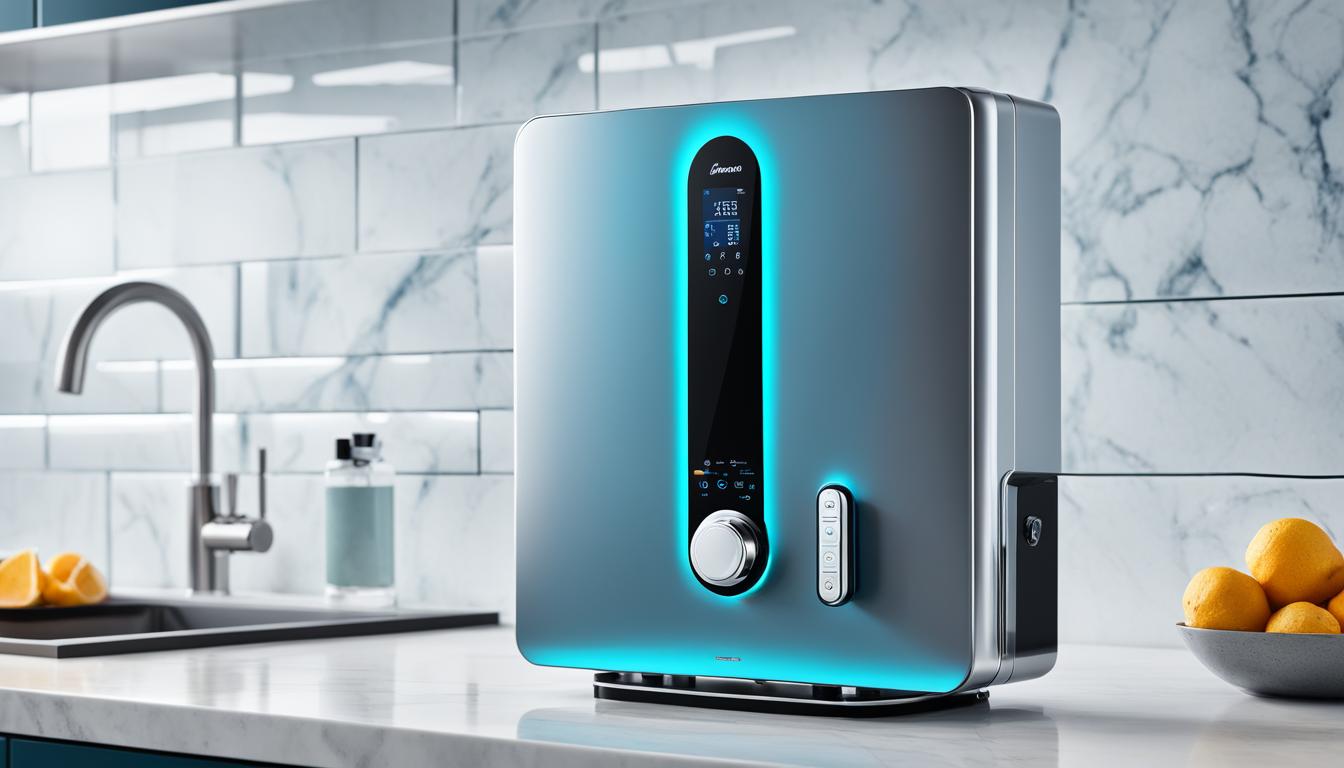
Exploring Tankless Water Heater Technology If you’re in the market for a new water heater, it’s worth considering the latest innovations in water heater technology. Unlike traditional water heaters that store hot water in a tank, tankless water heaters deliver hot water on demand, providing endless hot water when you need it. Plus, they are energy-efficient and environmentally friendly, providing you with both comfort and sustainability for your home. Key Takeaways benefits of tankless water heaters: Tankless water heaters provide hot water on demand, eliminating the need for a storage tank. These systems are energy-efficient and eco-friendly, reducing your carbon footprint. Tankless water heaters offer advanced features such as smartphone integration and voice activation. Leading brands in the market include Rheem, Navien, and Rinnai. Upgrading to a tankless water heater can improve energy efficiency and provide endless hot water for your home. Exploring Tankless Water Heater Technology: The Latest Innovations – Advanced Features of Tankless Water Heaters If you are considering upgrading your home’s water heating system, then a tankless water heater could be the solution. These state-of-the-art systems offer several advanced features that set them apart from traditional models. Improved energy efficiency: By operating only when hot water is needed, tankless water heaters can reduce energy consumption by up to 50% compared to traditional models. Endless hot water supply: Say goodbye to running out of hot water mid-shower! With a tankless water heater, you will have access to an endless supply of hot water. Compact size: Tankless water heaters are much smaller than traditional models, making them an excellent choice for homes with limited space. Smart technology: Many top tankless water heater brands offer advanced features such as Wi-Fi connectivity, voice activation, and smartphone controls for added convenience. Long lifespan: Tankless water heaters are built to last, with an average lifespan of 20 years or more, compared to traditional models’ average lifespan of 10-15 years. When selecting a tankless water heater, it’s essential to consider the top tankless water heater brands known for offering high-quality, reliable products that meet your home’s demands. With advanced tankless water heater features and numerous benefits, a tankless water heater could be the upgrade your home needs. Energy-Saving and Eco-Friendly Water Heater Options efficient water heating solutions: If you’re looking for an environmentally friendly and cost-effective water heating solution, look no further than tankless water heaters. These innovative systems are designed to reduce energy consumption and minimize your carbon footprint. One of the most significant advantages of tankless water heaters is their energy-saving capabilities. Unlike traditional water heaters that constantly heat and store large quantities of water, tankless water heaters only heat water when you need it. This method of heating provides significant energy savings and reduces your utility bills. What’s more, tankless water heaters have a longer lifespan than traditional water heaters, which means you won’t have to replace them as often. This feature not only saves you money but also reduces the amount of waste you generate. Tankless water heaters also provide an eco-friendly water heating solution. They don’t emit greenhouse gases and require little to no maintenance, making them ideal for environmentally conscious homeowners. The Latest Energy-Saving Water Heater Options Some latest innovations in water heaters and energy-saving water heater options include: Energy-Saving Water Heater Features Benefits Takagi T-H3-DV-N Condensing High-Efficiency Natural Gas Indoor Tankless Water Heater Condensing technology, high energy efficiency, compact design Significantly reduces energy bills, saves space, lowers carbon footprint EcoSmart ECO 11 Electric Tankless Water Heater Self-modulating technology, digital temperature controller, compact design Reduces energy consumption, saves space, lowers carbon footprint Rinnai RUC98iN Ultra Series Natural Gas Tankless Water Heater Condensing technology, high energy efficiency, Wi-Fi connectivity Significantly reduces energy bills, reduces carbon footprint, allows remote control and monitoring These energy-saving water heaters offer a great alternative to traditional water heaters while reducing your energy consumption and providing a cost-effective and eco-friendly water heating solution. The Cutting-Edge Technology Behind Tankless Water Heaters When it comes to water heating technology, tankless systems are leading the way. Their advanced features provide unparalleled performance that traditional models just can’t match. At the heart of tankless technology is a high-powered burner that heats water instantly as it flows through the unit. This heating process, combined with a cutting-edge heat exchanger, ensures an uninterrupted supply of hot water without the need for a bulky storage tank. The benefits of this innovative water heating solution are clear. Not only does it deliver endless hot water, but it also provides significant energy savings by only heating water on demand. This makes it an eco-friendly alternative to traditional methods that waste energy by constantly heating and reheating stored water. “Tankless water heaters are the perfect marriage of comfort and efficiency. They offer a continuous supply of hot water, no matter how much you use, without taking up valuable space in your home. It’s a win-win for homeowners looking to upgrade their water heating systems.” Advanced Components for Better Performance Along with the high-powered burner and heat exchanger, tankless water heaters incorporate a variety of advanced water heating technology for optimal performance. These include: Component Function Circulation Pump Ensures instant hot water is delivered to faucets and appliances Flow Sensor Detects water flow and activates the heating process Computer Board Controls the water temperature and flow rate for maximum efficiency With these advanced components, tankless water heaters can provide precise temperature control and optimal flow for every use. Upgrade Your Home to a Tankless Water Heater Today Now that you’ve explored the latest cutting-edge tankless water heater technology, it’s time to consider upgrading your home. With advanced features that provide an endless hot water supply and improved energy efficiency, these systems offer a new level of comfort and sustainability for your household. By choosing a tankless water heater, you’re not only investing in a cutting-edge water heating solution but also contributing to a greener environment. These eco-friendly options enable you to reduce energy consumption and lower your carbon footprint without sacrificing the hot water supply.
Read More
HVAC Upgrade: Get Your Replacement Estimate Now If you’re considering upgrading your HVAC system, planning your upgrade is essential. By obtaining a replacement estimate, you can gain a clearer understanding of the costs involved and take the necessary steps to achieve optimal comfort and efficiency in your home’s climate control. Don’t wait any longer to take the first step towards your HVAC system upgrade. By getting a replacement estimate now, you can prioritize your upgrade and ensure that you’re prepared for the expenses involved. Key Takeaways: Planning your HVAC system upgrade is crucial to achieving optimal comfort and efficiency in your home’s climate control. Getting a replacement estimate can help you understand the costs involved in your HVAC system upgrade. By taking the necessary steps to upgrade your HVAC system, you can enjoy improved energy efficiency and enhanced indoor air quality. Working with a professional HVAC contractor is key to ensuring a successful and seamless upgrade process. Maximizing the efficiency of your upgraded HVAC system can help you save energy costs and achieve a comfortable home environment. Understanding the Benefits of an HVAC System Upgrade If you’re considering an HVAC system upgrade, it’s essential to understand the benefits it can bring to your home’s climate control. Investing in an upgrade can improve your indoor air quality and reduce your energy costs, among many other advantages. Here are some of the top benefits of upgrading your HVAC system: Benefit Description Improved Energy Efficiency Upgrading your HVAC system to a more efficient model can significantly reduce your energy consumption and costs. Enhanced Indoor Air Quality Advanced air filtration systems and other upgrades can help to eliminate pollutants and allergens from your home’s air supply, promoting improved indoor air quality. Greater Comfort A modern HVAC system can provide more reliable and even temperature control throughout your home, improving overall comfort levels. Increased Home Value An upgraded HVAC system can add significant value to your home, enhancing its appeal to potential buyers. Long-term Savings While an HVAC system upgrade does require an initial investment, the long-term savings in energy costs and maintenance expenses can make it a worthwhile financial decision. In addition to these benefits, upgrading your HVAC system can also lead to reduced carbon emissions and contribute to a more sustainable, eco-friendly home. Considering all the advantages of an HVAC system upgrade, it’s no wonder that many homeowners choose to invest. Upgrade Your HVAC System Today Ready to enjoy the benefits of an upgraded HVAC system? Contact a professional HVAC contractor to get started with your replacement estimate and start planning for your upgrade today. Factors to Consider When Planning Your HVAC System Upgrade Upgrading your HVAC system can be a significant investment, and it’s essential to consider all the factors involved when planning your upgrade. One of the most critical considerations is the cost associated with an HVAC replacement or system upgrade. The HVAC replacement cost will vary depending on several factors, such as the size of your home, the type of system you require, and any additional features you may want to include. It’s crucial to get a reliable HVAC replacement estimate to ensure that you can budget accordingly and avoid any unexpected expenses. Another essential factor to consider is the HVAC system upgrade cost. While upgrading your HVAC system may have a higher upfront cost, it can pay off in the long run by improving energy efficiency and reducing utility bills. You can estimate the HVAC system upgrade cost by considering the energy savings you could achieve and factoring in any rebates or incentives available for upgrading to a more efficient system. Comparing the Costs of Repairing vs. Replacing Your HVAC System Before deciding whether to repair or replace your HVAC system, it’s essential to weigh the costs of each option. A simple repair may be a more affordable short-term solution, but it may not be the best long-term investment if your system is outdated, inefficient, or nearing the end of its lifespan. Replacing your HVAC system may have a higher upfront cost, but it could be a more cost-effective solution in the long run. In addition to improved energy efficiency and reduced utility bills, a new system can also increase your home’s value and provide a more comfortable living environment. Pro Tip: When comparing costs, don’t forget to factor in any potential energy savings and rebates or incentives available for upgrading to a more efficient system. This can help offset the initial cost of replacement. Getting an Accurate HVAC Replacement Estimate To get an accurate HVAC replacement estimate, it’s essential to work with a licensed and experienced HVAC contractor. They can assess your current system and provide recommendations for the best replacement options based on your specific needs and budget. During the estimate process, your contractor will consider several factors that impact the cost of your replacement, such as the size and complexity of the system, any necessary ductwork modifications, and the level of insulation in your home. Estimating the HVAC System Upgrade Cost Estimating the cost of your HVAC system upgrade involves considering the potential energy savings, rebates, and incentives available in your area. Your contractor can help you determine the most cost-effective system for your needs and factor in any available incentives to provide a more accurate estimate. System Type Estimated Cost Range Central AC $3,000 to $7,500 Heat Pump $5,000 to $8,500 Ductless Mini-Split $3,000 to $10,000 Table: Estimated HVAC System Upgrade CostEstimated cost ranges for different types of HVAC systems, based on national averages and standard installation costs. When planning your HVAC system upgrade, be sure to consider all the factors involved and get an accurate HVAC replacement estimate. With the right system in place, you can achieve optimal comfort and energy efficiency for years to come. Choosing the Right HVAC System for Your Upgrade When it comes to selecting the right HVAC system for your upgrade, several factors should be considered. Start by assessing the size and layout of your home. This information
Read More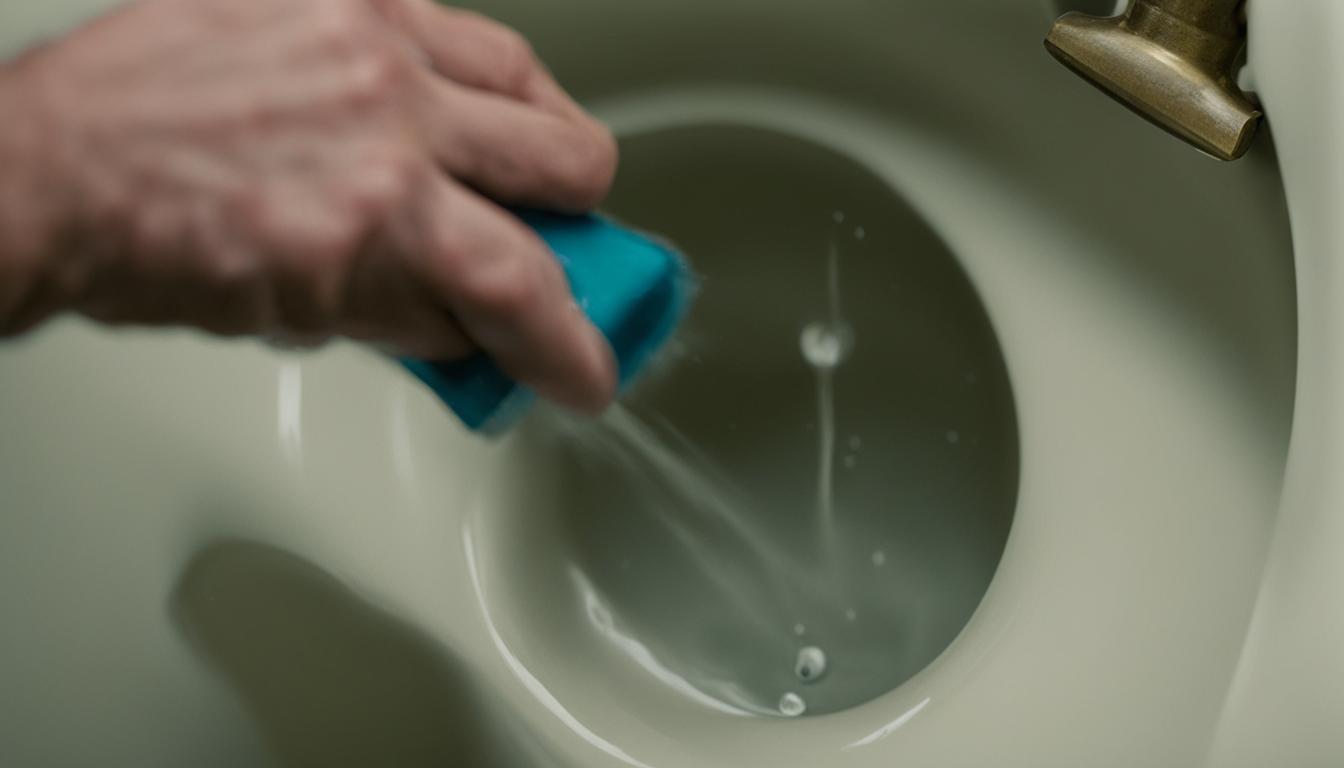
Quick Fix for a Clogged Toilet at Home Picture this: you’re at home and suddenly faced with a clogged toilet. The water starts to rise, and the familiar panic sets in. But before you let anxiety take hold, remember, you’ve got this. With a few tried-and-true DIY techniques, you can tackle that toilet clog and prevent an overflow—all while keeping your composure. In this guide, we’re diving deep into some handy tips and tricks that can help unclog your toilet, turning what seemed like a plumbing nightmare into a manageable task. Roll up your sleeves, because we’re about to sift through some simple yet effective methods that can bring relief to any homeowner. From the humble plunger to the nifty toilet snake, we’re going to explore all the tools and techniques available to ensure you’re prepared for any bathroom predicament. So, let’s not let a toilet overflow interrupt your day—check out these accessible DIY solutions that you can implement right now. Key Takeaways Understanding your DIY options for a clogged toilet can save the day. Immediate action can prevent further issues like toilet overflow. Familiarizing yourself with various tools can make unclogging a breeze. Some clogs can be resolved without professional assistance, using simple techniques. Maintaining calm backed with the right knowledge turns a crisis into a quick fix. Identifying the Severity of Your Toilet Clog It’s a typical scenario: You flush the toilet, and instead of the familiar whirlpool disappearing act, you’re met with a rising tide and a sinking feeling—your toilet is clogged. But not all clogs are created equal. Understanding the nuances of clogged toilet signs can mean the difference between a quick plunge and an emergency call to a professional plumber. Common Signs of a Clogged Toilet So, how do you know if you’re dealing with a typical blockage or a severe toilet clog? Here are the tell-tale signs: If your toilet won’t flush, this is the most straightforward indicator that a clog is present. A toilet draining slowly, well after you’ve flushed, suggests a partial blockage lurking in your pipes. Alerting you through audio, an unusual gurgling sound from nearby drains could imply your clog is not a lone ranger. Each sign carries its weight, warning you to take action. While a plunger is your first line of defense, be cautious not to overdo it if the clog shows resistance—aggressive plunging can sometimes worsen a blockage. When to Call a Professional There are times when a toilet backup signals more profound distress within your plumbing system—times when a professional’s expertise is necessary. Consider these scenarios: Water rising to the brim of the bowl without draining is a red-flag moment—this is no place for plungers, so it’s best to call a professional immediately. Noticeable water leakage onto the bathroom floor following a flush points to potential structural issues, possibly extending beyond the toilet itself. Encountering unusual materials or substances in the toilet bowl could be indicative of broken components or foreign objects that require professional attention. Unsure if your situation warrants a service call? Always err on the side of caution. Here’s a quick reference table to gauge when to tackle clogs yourself and when to dial up a certified plumber: Issue DIY Plunge Appropriate? Call a Plumber? Slight water rises after flushing Yes No Repeated clogging Attempt Once Yes, if persistent Water leaking onto the floor No Yes, immediately Unusual objects in the bowl No Yes, to prevent damage Maintaining regular plumbing maintenance and knowing what kind of services to seek are essential steps to avoid exacerbating a complex toilet blockage. Understand the signs, know your limits, and remember: a good plumber can save more than just your bathroom’s day. Common Causes of a Clogged Toilet Your toilet is an indispensable part of daily life, and understanding the causes of toilet blockage can help you prevent the dreaded clog and keep things flowing smoothly. Let’s dive into common culprits and how you can steer clear of a blocked toilet nightmare. First and foremost, the misconception surrounding flushable wipes needs to be addressed. Despite being marketed as safe for toilets, these wipes often do not disintegrate like regular toilet paper, leading to blockages in the plumbing system. Even wipes labeled as “flushable” can cause significant issues in your home’s pipes and the municipal sewer system. According to the Environmental Protection Agency, “Flushable wipes are a major concern for pipelines and should be disposed of in the trash.” Another frequent offender is the use of excessive toilet paper. While it’s necessary for personal hygiene, using too much toilet paper can easily clog toilets, especially those with lower flush power or older plumbing. Finally, the design of your toilet itself might contribute to blockages. Low-flow toilets are great for saving water, but some models may lack the necessary pressure to push material through the pipes, making them more susceptible to clogs. Here’s a breakdown of these common causes and how you might deal with them. Cause of Blockage Description Preventative Measures Flushable Wipes Wipes that do not break down easily in water Dispose of wipes in the trash; use only toilet paper Excessive Toilet Paper Using too much toilet paper during a single flush Use a moderate amount and flush more than once if needed Low-Flow Toilets Modern toilets are designed to use less water Regular maintenance and consider a pressure-assist retrofit Old Piping Pipes with sediment buildup or corrosion Inspect pipes regularly and clear blockages immediately Being mindful of what goes down your toilet and how it’s flushed will go a long way in keeping blockages at bay. Maintain a clear, functioning toilet and avoid the headache of unclogging by remembering these tips. Step-By-Step Guide to Unclog Toilet When faced with a clogged toilet, the right tools and techniques are your best allies. Equipping yourself adequately and mastering the correct methodology can transform this daunting task into a manageable DIY fix. Let’s start by ensuring you’ve got everything you need. Get Your Tools Ready At the
Read More