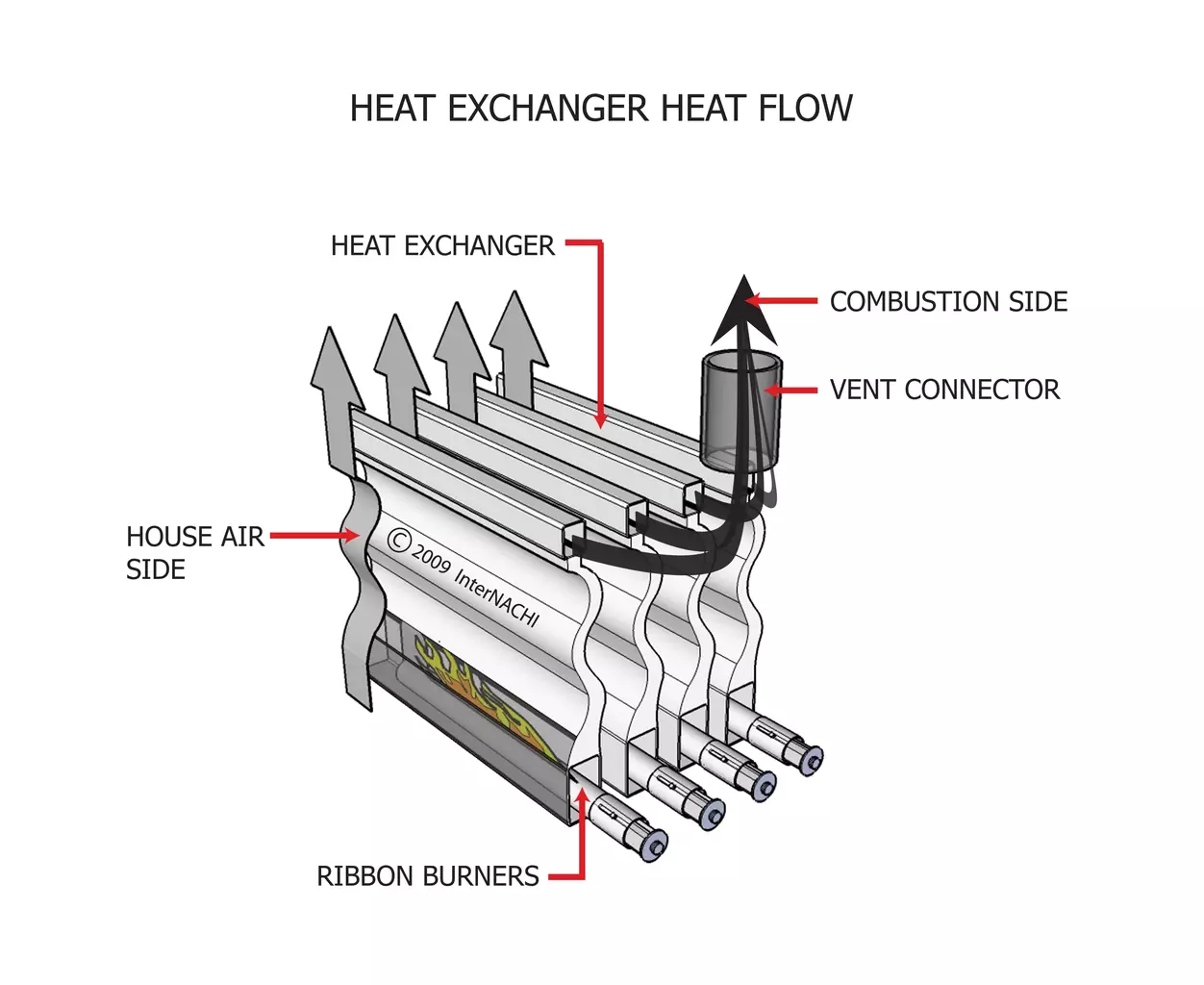
Heat Exchangers: Risks & Fixes Explained If you own a heating system, understanding the importance of your heat exchanger’s condition is crucial. A cracked heat exchanger can lead to serious risks and dangers that can compromise the safety of your household. It is essential to be informed about the risks and solutions of cracked heat exchangers to ensure the safety and efficiency of your heating system. Key Takeaways: Caring for your heat exchanger is vital to prevent cracks and ensure safe operation. Identifying the signs of a cracked heat exchanger can help mitigate its risks. Regular maintenance is crucial to maintain optimal heat exchanger efficiency. Various solutions are available when dealing with a cracked heat exchanger. It is important to enlist professional services for a safe and effective resolution. The Importance of Heat Exchanger Maintenance To ensure the longevity of your heating system, regular maintenance of your heat exchanger is imperative. A well-maintained heat exchanger prevents cracks, which can lead to hazardous situations and costly repairs. Therefore, by taking preventive measures, you can avoid potential issues down the line. One of the best ways to prevent heat exchanger cracks is to change the air filter regularly. A dirty air filter makes the heat exchanger work harder and hotter than it should, which can cause cracks. You should also get your heating system inspected annually by a certified technician. They can identify any issues and fix them before they become larger problems that may require a more expensive repair. Additionally, it’s important to follow safety measures when maintaining your heat exchanger. Make sure your heating system has an automatic shut-off feature if it detects any problems, and never try to repair your heat exchanger yourself if you’re not trained to do so. It’s always better to seek the help of a certified technician to ensure your safety and the optimal performance of your system. The Benefits of Regular Maintenance Regular maintenance not only prevents cracks but also ensures that your heating system works efficiently, which reduces energy costs and carbon emissions. It also helps to identify potential issues before they become major problems, saving you money on repairs down the line. By prioritizing regular maintenance and taking safety measures, you can ensure the longevity and optimal performance of your heating system, providing a comfortable and safe environment for your home. Signs of a Cracked Heat Exchanger It is crucial to keep a close eye on your heat exchanger to detect any signs of cracks. Some indicators to look out for include: Carbon monoxide buildup in your house Yellow burner flame instead of blue Soot buildup inside the furnace Strange noises coming from the system Inadequate heating throughout your home If you notice any of these signs, it is vital to take immediate action and call a professional technician to inspect your system. Ignoring a cracked heat exchanger can result in severe hazards that may harm your family’s health and well-being. Cracked Heat Exchanger Hazards A cracked heat exchanger poses significant threats to your home’s safety and can lead to: Carbon monoxide poisoning: A cracked heat exchanger can cause carbon monoxide gases to leak into your home, which can lead to nausea, headache, or even death. Fire hazards: A damaged heat exchanger can cause leaks and potentially ignite the system, posing a severe fire hazard. Expensive repairs: Neglecting a cracked heat exchanger can cause additional damages, leading to costly repairs or even replacement. Heat Exchanger Inspection Guidelines Regular inspections can help detect a cracked heat exchanger early, mitigating the risks of potential hazards. Consider the following inspection guidelines: Inspection Checklist Frequency Visual Inspection of the Heat Exchanger Annual Testing for Carbon Monoxide Leaks Annual Cleaning or Replacing Filters Monthly Maintaining Proper Ventilation Monthly Following these guidelines can help maintain your heat exchanger’s safety and efficiency. Remember to reach out to a professional technician to inspect your system and resolve any issues promptly. Risks of Cracked Heat Exchangers Ignoring a cracked heat exchanger can be perilous and lead to severe risks in your home. The accumulation of dangerous gases, such as carbon monoxide, can cause severe health problems, including headache, nausea, and even death. Protecting your home from these hazards should be a top priority, and any signs of trouble require immediate attention. Cracked heat exchangers can cause fires as well. Overheating in the furnace can occur, igniting flammable material and spreading rapidly. The danger of fire is enhanced if the furnace is installed in spaces with insufficient ventilation, making it critical to invest in proper installation and maintenance. Keep yourself and your loved ones safe! By staying vigilant and implementing the following heat exchanger safety measures, you can prevent potential risks and promote a secure household environment: Install smoke and carbon monoxide detectors Obtain regular maintenance from a professional technician Replace your heat exchanger if it is cracked Consulting with a certified expert for a detailed inspection of your furnace is highly recommended. Our technicians can provide a thorough checkup of your heat exchanger, guaranteeing the safety and peace of mind for you and your family. Solutions for Cracked Heat Exchangers Experiencing a cracked heat exchanger can cause stress and panic, but it’s essential to remember that there are solutions available. Here, we’ll explore various heat exchanger repair options, including the pros and cons of each. Repair or Replacement? When it comes to fixing a cracked heat exchanger, you have two options: repair or replacement. Repairing the heat exchanger can be a more cost-effective solution if the damage is minor. It’s important to note that repairs can be a temporary fix, and it may need to be replaced in the near future. Replacing the heat exchanger entirely might be necessary if the damage is severe, which can be more costly but will provide a longer-term solution. Choosing the Right Solution for Your Situation Choosing the right solution depends on a few factors, including the age of your heating system, the severity of the damage, and your budget. If your heating system
Read More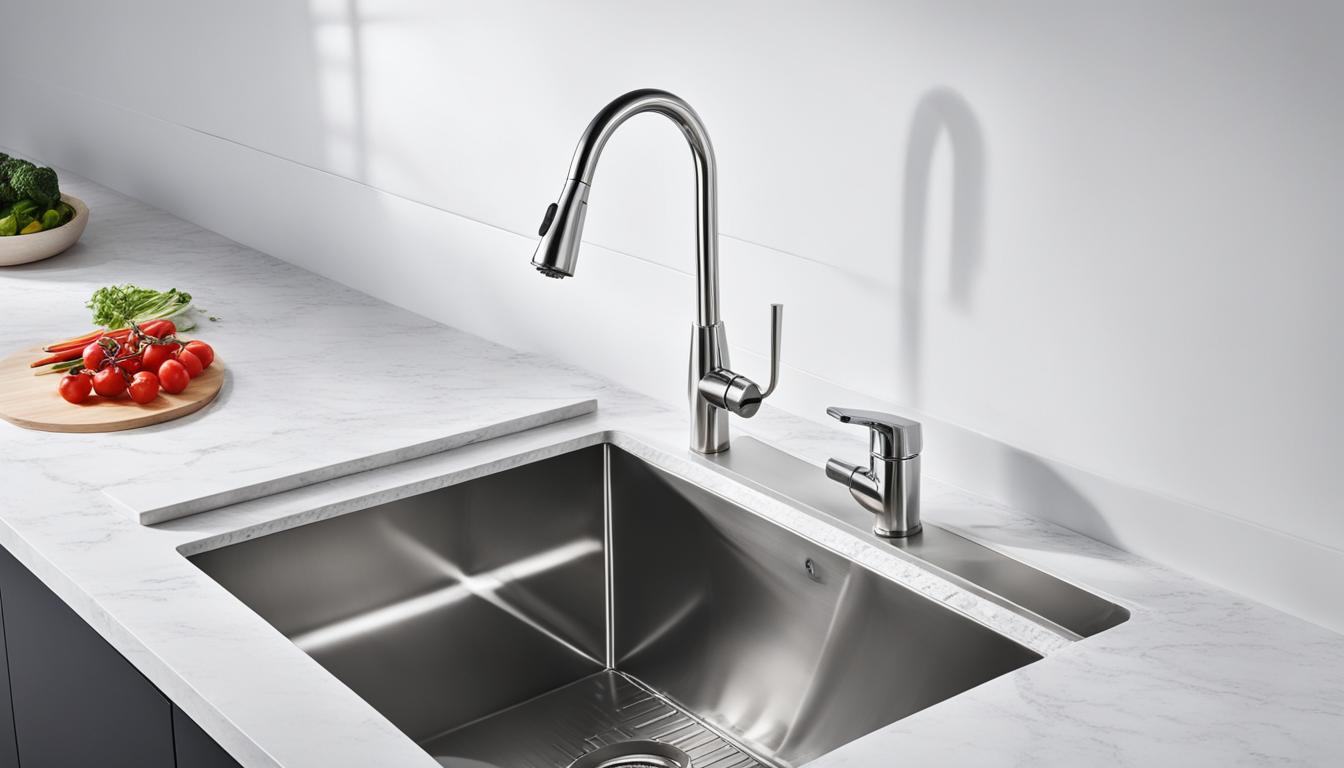
Kitchen Plumbing Essentials: Sink & Faucet Upgrade Sink upgrade and faucet upgrade elevate the functionality and style of your kitchen. A plumbing renovation may seem daunting at first, but with the right guidance, you can easily transform your kitchen space. In this section, we’ll provide you with essential tips and tricks to upgrade your kitchen sink and upgrade your kitchen faucet. Whether you’re remodeling your kitchen or just looking for a change, this guide is designed to help you every step of the way. Key Takeaways Upgrading your kitchen sink and faucet can transform your kitchen space both aesthetically and practically Proper planning is crucial for a successful plumbing renovation There are various sink materials and configurations to choose from to match your style and practical needs Upgrading your faucet goes beyond aesthetics and can improve the overall functionality of your kitchen Consider whether to handle the installation yourself or hire a professional Planning Your Sink and Faucet Upgrade Before upgrading your kitchen plumbing fixtures, it’s essential to plan out your project thoroughly. This not only saves you time and money but also ensures a beautiful and functional outcome. Choosing the Right Fixtures The first step is to select the type of sink and faucet that best suits your needs. Are you looking for a modern or traditional style? Do you want to maximize functionality or prioritize aesthetics? When selecting your fixtures, consider the materials, sizes, and configurations available. Stainless steel sinks remain a popular choice due to their durability and affordability. However, other materials, such as cast iron or quartz, can offer more design flexibility and may better match your kitchen’s style. Similarly, choosing a compatible faucet for your sink is crucial. Common types include pull-down, pull-out, and touchless faucets, each with their unique advantages to suit your cooking needs. Understanding Installation Requirements Once you have selected the right fixtures, it’s vital to understand the installation requirements. Although DIY installation is possible, it’s recommended to hire a professional plumber to ensure secure kitchen plumbing essentials with leak-free installation. When discussing your installation with a plumbing expert, make sure to consider the proper plumbing connections and drainage requirements to ensure seamless functionality. Ensuring Seamless Functionality To ensure a smooth and hassle-free experience, verify that your sink and faucet complement each other’s functions. For example, selecting a faucet with a high arc can cater to larger pots and pans, while a deeper sink can provide additional space for washing and soaking dishes. By planning out your kitchen plumbing upgrade with these considerations in mind, you can create a functional and stylish kitchen space that meets your specific needs. Selecting the Perfect Sink for Your Kitchen Upgrading your kitchen sink is a fantastic way to transform your cooking space. With a variety of materials, sizes, and configurations available, choosing the ideal sink that matches your style and meets your practical needs can be overwhelming. Upgrade your kitchen sink by considering these factors: Sink Materials The material you choose for your sink will impact its durability, maintenance, and style. Here are some popular options: Stainless Steel: Durable, easy to clean, and resistant to rust and stains Granite Composite: Durable and resistant to scratches and stains Fireclay: Traditional and elegant, but can be prone to cracking and chipping Cast Iron: Durable and classic, but requires regular maintenance Sizes and Configurations Choosing the size and configuration of your sink will depend on factors such as the size of your kitchen, the amount of space you have available, and your cooking and cleaning habits. Here are some common configurations to consider: Name Details Image Single-Bowl One large, deep basin Double-Bowl Two equal-sized basins with a divider between them Triple-Bowl Three basins with different sizes and configurations Apron-Front A single-bowl sink with a front panel that extends below the counter By considering these sink features and options, you can confidently select the perfect sink that elevates the style and functionality of your kitchen. Upgrading Your Faucet: Style and Functionality Upgrading your kitchen faucet can make a significant difference in both the overall style and functionality of your kitchen. With so many different faucet types, finishes, and features available, it can be overwhelming to choose the perfect one for your needs. But fear not, we’ve got you covered! Faucet Types There are several different types of faucets to choose from, including: Single-handle faucets Double-handle faucets Pull-down faucets Pull-out faucets Touchless faucets Each type has its unique features and benefits, so it’s essential to consider your kitchen’s needs and aesthetics when selecting a faucet. Faucet Finishes Once you’ve determined the type of faucet you want, the next step is to choose a finish that complements your kitchen’s overall look. Some popular finishes include: Chrome Stainless Steel Matte Black Oil-Rubbed Bronze Consider the color of your kitchen fixtures and appliances when selecting a finish to ensure it blends well with the overall look. Faucet Features Finally, when choosing your kitchen faucet, it’s essential to consider the available features. Some common features include: Adjustable water flow 360-degree swiveling spout Multiple spray patterns Hot and cold water dispensers Think about what features would be most functional for your cooking habits and frequency of use. An upgraded kitchen faucet can be a game-changer in your cooking experience. Take some time to explore the different types, finishes, and features available so that you can find the perfect faucet that complements your kitchen plumbing fixtures and upgrades your cooking space. kitchen plumbing Installation Process: DIY or Professional Help? When it comes to upgrading your kitchen plumbing fixtures, the installation is a crucial step. You might be wondering whether you should take on the challenge of a DIY installation or hire a professional plumber. Both options have their pros and cons, and it all comes down to your level of experience, budget, and available time. DIY Installation If you’re a handy person with some experience in plumbing, a DIY installation can be a viable option. It will save you money on
Read More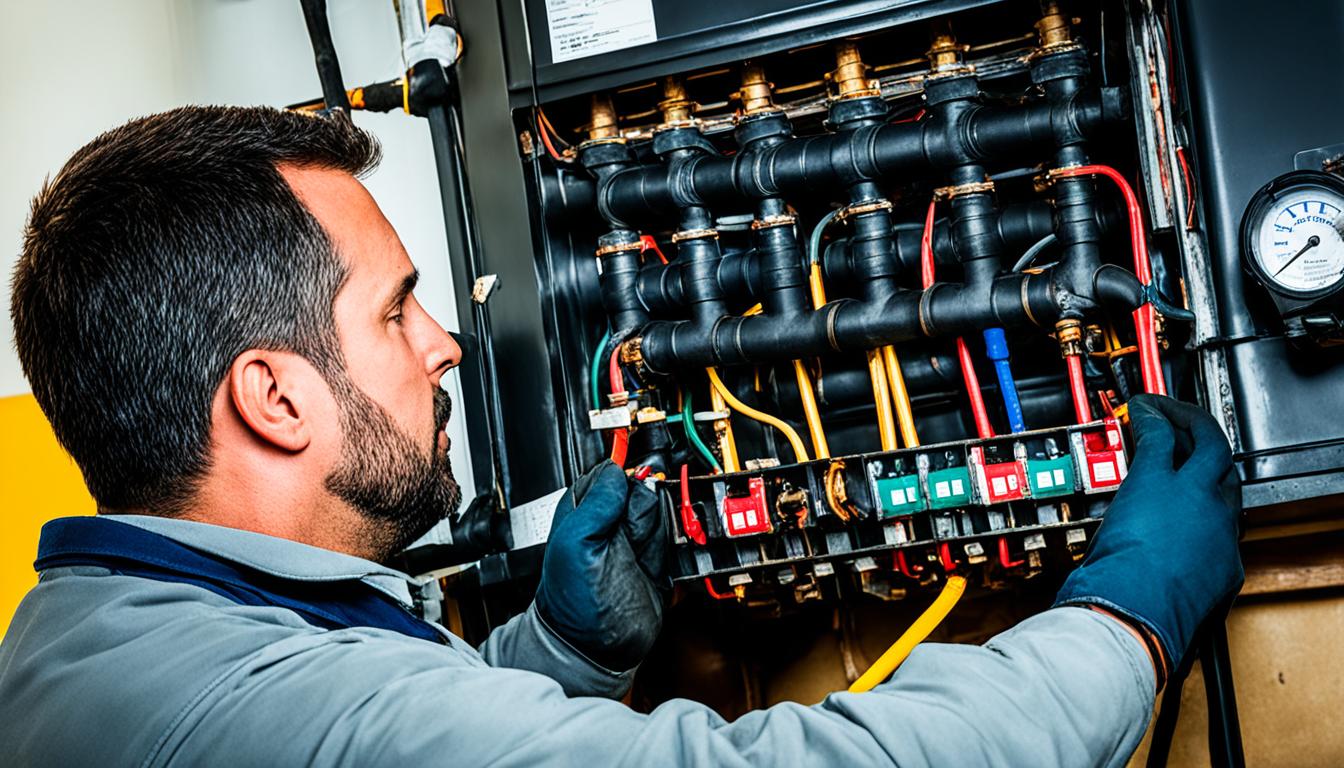
Efficient Heater Repairing Services Near You As you brace yourself for the cooler months, it’s essential to stay one step ahead with a heating system that’s in top shape. Are you noticing your home feeling a bit chillier than normal, or is your energy bill creeping up without reason? You might be facing a situation that calls for heater repair services. It’s times like these when the convenience of having professional, reliable repair services in your area becomes truly apparent. Don’t let a faulty heater rain on your cozy parade; instead, act swiftly and secure emergency heater repair to fix your heating unit without delay. Whether it’s a subtle hint that your heater isn’t performing at its peak, or a glaring breakdown in the dead of winter, professional technicians are the go-to for urgent repairs. They’re equipped not just with the tools, but with the expertise to diagnose, adjust, and remedy any heater woes you may encounter. Restoring your home to a snug haven is their top priority, so you can slip back into enjoying warm, comfortable living spaces, even when the temperature plummets outside. Key Takeaways Professional heater repair services are invaluable for maintaining a warm home environment. Emergency heater repair ensures timely fixes to avoid prolonged discomfort. Skilled technicians are crucial for reliable diagnostics and efficient repair of your heating unit. Taking immediate action can prevent minor problems from escalating into significant issues. Choosing the right repair service impacts the performance and longevity of your heating system. Understanding the Need for Professional Heater Repairing When winter’s chill sets in, the last thing you want is a malfunctioning heater. Recognizing early warning signs that necessitate professional attention can be the difference between a quick fix and a full-blown heating system emergency. Let’s delve into the telltale signals that your unit might be on the fritz, the significance of prompt repairs, and the risks involved in DIY troubleshooting compared to the assured quality of professional HVAC services. Signs Your Heater May Require Repair Keep an ear out for unusual noises such as banging, whistling, or humming that could point to internal issues. If you notice your living space isn’t as warm as it should be, or if certain rooms are heating unevenly, you could be dealing with insufficient heating. Another red flag is a sudden spike in your energy bills, suggesting your heater is working harder than it needs to. These are all signals that a call to your local HVAC repair provider is in order. The Importance of Timely Repairs Delaying furnace repair or other heating system services can result in minor problems snowballing into major, costly ones. Tackling issues swiftly with a professional heating system repair service not only saves you money in the long run but also extends the lifespan of your heater, ensuring it operates efficiently when you need it most. DIY vs. Professional Repair Services While the DIY route might seem tempting and budget-friendly, it lacks the specialized tools and expertise required for many HVAC repairs. Professional technicians, on the other hand, are equipped to diagnose and execute complex projects like furnace repair effectively. Here’s a comparison to help you weigh your options: DIY Repair Professional Repair May provide a temporary fix Offers durable, long-term solutions High risk of incorrect diagnosis Expert analysis ensures accurate troubleshooting Could void warranty Complies with warranty stipulations Potential safety hazards Adheres to safety codes and procedures In conclusion, reliable heating is non-negotiable during the coldest months of the year, and ensuring your system’s health is crucial. By staying vigilant for signs of disrepair and choosing professional HVAC repair services over DIY attempts, you’ll maintain a comfortable and safe home environment all season long. Different Types of Heater Repair Services Available When the chill sets in and your heating system starts to falter, knowing the types of heater repairing services can provide much-needed peace of mind. A reputable heater repair company offers a broad array of services to ensure your comfort through the colder months. Understanding these options allows you to make informed decisions, ensuring that your heating system maintenance is timely and efficient. Emergency Heater Repair In the event of an unexpected breakdown, emergency heater repair services are a lifeline. Quick and responsive, these services prioritize restoring your heat and safety with minimal delay. Remember, when time is of the essence, having a reliable service provider can make all the difference in protecting your home from the cold. Heating System Maintenance Regular maintenance is essential for the longevity and efficiency of your heater. Seasonal or annual heating system maintenance checks conducted by skilled technicians can help you avoid unplanned repairs by pinpointing and addressing issues before they escalate. This preventive strategy not only saves you money but also extends the lifespan of your heating unit. Advanced HVAC Repair Techniques Adopting advanced HVAC repair techniques, qualified technicians use the latest diagnostic tools and software to accurately detect and resolve your heating issues. From digital thermometers to smart diagnostic applications, these high-tech solutions enhance the accuracy of heater repair, ensuring that your system runs optimally throughout the year. Service Type Benefits Suggested Frequency Emergency Repair Immediate assistance reduces potential safety risks As needed Routine Maintenance Prevention of major issues, efficiency improvements Annually or biannually Advanced Diagnostics Precise problem identification, targeted repairs During scheduled maintenance or repairs Whether it’s an unforeseen emergency heater repair or regular heating system maintenance, enlisting the assistance of a heater repair company can significantly reduce the stress and inconvenience of managing your home’s heating needs. Investing in routine check-ups and embracing cutting-edge HVAC repair techniques can ensure you and your family enjoy reliable warmth all year round. Finding a Trustworthy Heater Repair Company When temperatures drop, a reliable heating system becomes a household necessity. That’s why selecting a reputable heater repair service to fix your heating unit or conduct a furnace repair is critical. Trustworthy companies ensure that your home remains a sanctuary of warmth and comfort during the coldest months. Let’s delve into what makes
Read More