Stay Warm and Cozy: Schedule Your Heating System Tune-Up Now Winter is just around the corner, and we all know how chilly it can get. To ensure you and your family stay warm and cozy throughout the season, it’s crucial to schedule a heating system tune-up as soon as possible. Proper heating maintenance not only provides optimal efficiency but can also prevent costly breakdowns, giving you peace of mind. Don’t wait until your heating system shows signs of failure. Schedule a tune-up now and avoid the inconvenience of spending cold nights under layers of blankets or suffering through chilly mornings before work. Procrastination may only lead to costly repairs when it’s time to turn on your furnace and discover something is not working correctly. Key Takeaways: Scheduling a heating system tune-up is crucial for optimal efficiency and preventing costly breakdowns. Don’t wait until your heating system shows signs of failure before scheduling a tune-up. Procrastination can eventually lead to costly repairs when turning on your furnace. Investing in proper heating maintenance provides peace of mind and ensures you stay warm and cozy throughout the winter season. A furnace tune-up is a smart choice for every homeowner, bringing lower energy bills and improved air quality. The Importance of Heating System Maintenance Regular HVAC service and professional heating repair are essential for maintaining the longevity and performance of your heating system. Without proper furnace maintenance, your system may experience breakdowns, malfunctions, and decreased efficiency. Regular maintenance by a licensed professional can help prevent costly repairs and ensure that your system operates as efficiently as possible. During maintenance visits, a technician can inspect your system, identify any potential problems, and make necessary repairs or adjustments. Investing in furnace maintenance can also improve the air quality in your home by removing dust, allergens, and other harmful particles that may be circulating through your heating system. Don’t wait until your heating system breaks down to schedule an appointment for maintenance. Regular upkeep can prevent unexpected breakdowns and keep your home comfortable all season long. Winter Heating Tips for Optimal Efficiency Winter is here, and your heating system is working hard to keep you warm and cozy. But with the cold weather comes the inevitable increase in energy bills. To help you make your home more energy-efficient and save money, we’ve compiled a list of winter heating tips. Set the Right Temperature One of the easiest ways to save energy and money is by setting the right temperature. For every degree you lower your thermostat, you can save up to 3% on your heating bill. Try setting your thermostat to 68 degrees during the day and lower it by a few degrees at night or when you’re away from home. Program Your Thermostat Invest in a programmable thermostat to help you automatically adjust your home’s temperature. This will help you save money and energy when you’re away from home or sleeping. Smart thermostats can also learn your routines and adjust accordingly, saving you even more money. Optimize Insulation A well-insulated home will keep warm air inside and cold air out. Check for air leaks and add weatherstripping to seal any gaps around windows and doors. You can also consider adding insulation to your walls, attic, and basement to maximize your home’s energy efficiency. Switch to Energy-Efficient Heating If it’s time to replace your heating system, consider investing in an energy-efficient model. Look for systems with a high Annual Fuel Utilization Efficiency (AFUE) rating to ensure maximum efficiency. You may also be eligible for rebates or tax incentives for upgrading to energy-efficient heating. Seal Ductwork If you have a central heating system, make sure to seal your ductwork. Leaky ducts can lead to heat loss and higher energy bills. You can use duct sealant or foil tape to seal any leaks and improve your heating system’s efficiency. By following these winter heating tips, you can stay warm and cozy while maximizing your energy efficiency and saving money on your heating bill. Boosting Heating System Efficiency If you want to maximize your heating system efficiency, regular inspections are a must. Without proper maintenance, your system may experience reduced efficiency and even breakdowns. Heating system inspections can identify issues that may be hindering your system’s performance. A professional can diagnose and repair any problems, ensuring that your system is running at peak efficiency. Here are some practical solutions to boost your heating system efficiency: Adjust your thermostat: lowering the temperature by just one degree can save up to 5% on your energy bill. Optimize your insulation: make sure your home is properly insulated to prevent heat from escaping. Replace air filters: dirty air filters can cause your system to work harder and reduce efficiency, so replace them regularly. By taking these steps, you can increase your heating system efficiency and save money on your energy bill. “Heating system inspections can identify issues that may be hindering your system’s performance.” Signs It’s Time for a Heating System Tune-Up If you want to ensure your heating system is running at peak performance, it’s essential to schedule regular tune-ups. But how do you know when it’s time to contact a professional? Here are some common signs that indicate your system may need a tune-up: Strange noises: If you hear unusual sounds coming from your heating system, such as rattling, banging, or whistling, it could be a sign that something is amiss. Inconsistent heating: If some areas of your home feel warmer than others, or if the temperature fluctuates frequently, it may be a sign that your system needs attention. Increased energy bills: If your energy bills have gone up significantly, it may be a sign that your heating system is working harder than it needs to due to inefficiencies. Frequent breakdowns: If your heating system is constantly breaking down or experiencing frequent issues, it may be time for a more thorough inspection by a professional. Don’t wait until these problems become more severe. Scheduling a heating system tune-up can help
Read More
Lowering Heating Costs: Save Big on Energy Bills Are you tired of high energy bills during the winter months? Do you wish there was a way to keep your home warm and cozy without breaking the bank? You’re not alone. Many homeowners are looking for effective ways to reduce their energy expenses and save money. In this section, we will explore 5 proven ways to lower your heating costs and save on your energy bills. By implementing these strategies, you can enjoy a warm and comfortable home without worrying about the impact on your budget. Key Takeaways: Upgrading to energy-efficient heating systems can significantly reduce energy consumption and save you money. Improving home insulation, sealing air leaks, and using window coverings can also enhance energy efficiency, reducing your heating costs. Simple habits, such as lowering the temperature by a few degrees, can make a noticeable difference in your energy bills. Setting your thermostat to a lower temperature when you’re away or asleep can help avoid heating a space unnecessarily. Take advantage of natural sunlight to warm up your home during the day, keeping curtains open to let the warmth in. Upgrade to Energy-Efficient Heating Systems Are you tired of paying exorbitant heating bills? It may be time to upgrade to energy-efficient heating systems. Upgrading from an older model can be one of the most effective ways to save on heating costs while keeping your home warm and cozy. Newer models use less energy to generate the same level of heat – a win-win for both your wallet and the environment. If you’re unsure about whether to upgrade, consider the estimated savings on energy bills in the long run. A high-efficiency model may be more expensive upfront but can save you a lot of money on energy bills in the years to come. Additionally, installing programmable thermostats can help optimize your heating schedule and reduce energy waste. When it comes to heating solutions, consider investing in cost-effective heating solutions that will offer you innumerable benefits. Read reviews and ratings of different brands and models to learn what works best. By making an informed decision, you can lower your bills and improve your comfort levels even during the coldest months of the year. Implement Energy-Saving Home Improvements Making certain home improvements can significantly reduce your heating costs. Start by ensuring proper insulation in your home, including the walls, attic, and windows. This will help retain heat inside, minimizing the need for excessive heating. Sealing any air leaks and using weatherstripping around doors and windows can further enhance energy efficiency. Additionally, consider adding window coverings such as thermal curtains or blinds to keep the cold air out and the warm air in. By choosing eco-friendly heating methods, you can contribute to your local environment and positively impact your energy bills. Investing in energy-saving strategies is not only beneficial for the environment but also for your budget. With money-saving heating techniques in mind, making affordable upgrades to your home is a smart investment for the long term. Check out the table below for some examples of different energy-saving improvements and their potential cost-saving benefits: Improvement Cost Annual Savings Payback Time Install a programmable thermostat $50-$150 $100-$150 1 year Seal air leaks in the home $100-$300 $150-$300 1-2 years Add insulation to the attic $100-$500 $100-$300 1-5 years These are just a few examples of energy-saving improvements you can make to your home. By investing in eco-friendly heating methods and implementing money-saving heating techniques, you can reduce your overall heating costs and make your home more energy-efficient. Practice Smart Heating Habits Lowering your heating costs is not always a matter of replacing equipment or making major home improvements. Simple habits can have a significant impact on your energy bills. Here are a few easy and effective heating cost-reduction tips: Lower the temperature: A small adjustment in temperature can lead to noticeable savings on your energy bills. Try lowering the thermostat by just a few degrees, and you may be surprised at how much you can save on your heating costs. Modify thermostat settings: When you leave the house or go to sleep, set your thermostat to a lower temperature to avoid heating a space unnecessarily. With programmable thermostats, you can easily set a schedule that reflects your daily routine and saves you money on heating expenses. Take advantage of natural sunlight: During the day, open your curtains or blinds to let natural sunlight warm up your space. Make sure to close them as soon as the sun sets to avoid losing heat. By practicing these smart heating habits, you can significantly reduce your heating costs. Try them out and see how much you can save. Conclusion: Lowering Heating Costs: 5 Proven Ways to Save on Your Energy Bills Reducing heating costs is possible without sacrificing your comfort. By implementing the 5 strategies we’ve discussed, you can save money on your energy bills without compromising on the warmth of your home. Upgrading to energy-efficient heating systems, implementing energy-saving home improvements, and practicing smart heating habits are all effective ways to save money while still keeping your home cozy. By making these simple changes, you can see a significant reduction in your energy expenses. Remember, these strategies are not one-size-fits-all, so you may need to experiment to see what works best for you. However, with a little effort and some careful planning, you can significantly reduce your heating costs and still keep your home warm and inviting. So, what are you waiting for? Start applying these 5 proven ways today and see the difference in your energy bills. Your wallet will thank you! FAQ Q: How can I lower my heating costs? A: There are several effective strategies to lower your heating costs. Some of the most common methods include upgrading to energy-efficient heating systems, implementing energy-saving home improvements, and practicing smart heating habits. Q: How do energy-efficient heating systems help in reducing costs? A: Energy-efficient heating systems use less energy while providing the same level
Read More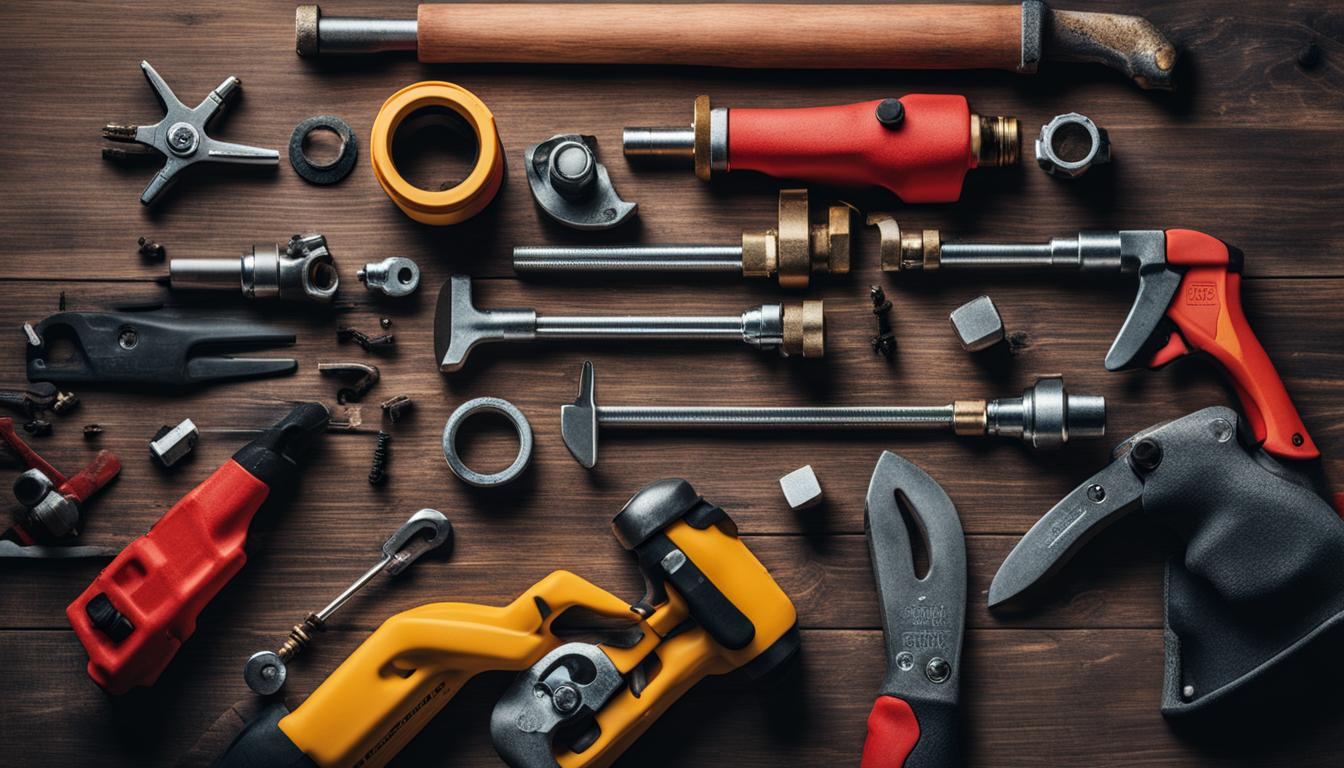
DIY Plumbing: What You Can Handle By Yourself Plumbing issues can be a hassle, but you don’t always need to call a plumber. From leaky faucets and clogged drains to installing a new toilet, there are several basic plumbing projects and plumbing repairs that you can tackle by yourself. With the right tools, knowledge, and guidance, you can save money and gain confidence in your DIY plumbing skills. Key Takeaways Basic plumbing tasks can be easily managed with the right tools and knowledge Understanding plumbing basics, such as common terms and principles, is essential to any plumbing project Regular plumbing maintenance can prevent costly repairs down the line DIY plumbing projects can help you save money and gain confidence in your skills For complex plumbing issues, don’t hesitate to consult with a professional plumber DIY Plumbing: What You Can Handle By Yourself – Essential Plumbing Tools Every DIYer Should Have Diy plumbing guide: As a DIY plumbing enthusiast, you need to have the right tools at your disposal to tackle any project. Here are some of the essential plumbing tools that every DIYer should have: Tool Description Adjustable wrench A versatile wrench for tightening and loosening various nuts and bolts. Plunger A must-have for unclogging drains, toilets, and sinks. Tape measure Essential for measuring pipes and ensuring accurate cuts. Hacksaw Used to cut through pipes and other materials. Thread tape Prevents leaks by sealing threaded connections between pipes and fittings. Plumbing snake Helps to unclog drains and remove blockages in tight spaces. These tools will give you a solid foundation for any DIY plumbing task. Remember to always prioritize safety and wear protective gear when handling plumbing tools. Understanding Plumbing Basics plumbing tips: Before taking on any plumbing project, it’s essential to have a solid grasp of plumbing basics. This will help you understand how different components in your plumbing system work and how to fix them if they malfunction. Here are some common plumbing terms you should be familiar with: Term Definition Supply Line The pipe that carries clean water into your home. Drain Line The pipe that carries waste water out of your home. Trap A U-shaped pipe that prevents sewer gas from entering your home. Valve A device used to control the flow of water in your plumbing system. Water Pressure The force that pushes water through your pipes. Understanding these terms will prove useful when you encounter plumbing issues and need to diagnose or fix them. Another essential plumbing basic is knowing how to shut off your water supply in case of an emergency. Locate the main shut-off valve in your home and make sure everyone in your household knows where it is. If you’re feeling overwhelmed by all this information, don’t worry! Take it one step at a time and refer back to this section as needed. DIY Plumbing Projects for Beginners Ready to dip your toes into DIY plumbing? We’ve got you covered with a selection of simple plumbing projects and common plumbing issues. that you can confidently tackle on your own. Not only will you gain valuable plumbing skills, but you’ll also save money on professional services! Fix a Leaky Faucet If your faucet has been leaking, it’s time to take action. With a few simple tools and some basic knowledge, you can fix the problem in no time. First, turn off the water supply to the faucet and remove the handle and escutcheon plate. Next, unscrew the stem and replace the worn-out washer. Finally, reassemble the faucet and test it for leaks. Unclog a Drain Clogged drains are a common household nuisance, but there’s no need to call a plumber just yet. To unclog your drain, start by pouring boiling water down it to loosen any debris. Next, use a plunger to dislodge the blockage and flush it away with more hot water. Alternatively, you can use a drain snake to break up the clog. Materials Tools Boiling water Plunger Baking soda Drain snake Vinegar Work gloves Install a New Toilet If you’re feeling ambitious, installing a new toilet is a great DIY project to take on. Start by removing the old toilet and inspecting the flange. Next, install a new wax seal around the flange and place the new toilet bowl over it. Secure the bowl with bolts and attach the tank, being careful not to overtighten. Finally, connect the water supply and test the toilet for leaks. Upgrade Your Showerhead Upgrading your showerhead is an easy way to improve your daily shower experience. Simply remove the old showerhead with a wrench and clean the threads on the pipe. Then, wrap Teflon tape around the threads of the new showerhead and screw it onto the pipe. Voila! A new showerhead for a fraction of the cost of a professional installation. Now that you’ve tackled these beginner-friendly projects, you’re well on your way to becoming a DIY plumbing pro. Remember to always prioritize safety and consult a professional for complex issues. Common Plumbing Issues and How to Fix Them Dealing with plumbing issues can be a hassle, but knowing how to fix them can save you time and money. Here are some common plumbing problems and their solutions: Clogged Drains If your sink or shower drain is clogged, pour a mixture of baking soda and vinegar down the drain. Let it sit for 15 minutes before flushing it with hot water. If the clog persists, use a plunger or drain snake to remove the blockage. Leaky Faucets A dripping faucet can waste a lot of water and increase your water bill. To fix it, turn off the water supply, remove the handle, and replace the worn-out washer or O-ring. Running Toilet If your toilet is constantly running, check the flapper valve. It may be broken or misaligned. If that’s the case, replace it or adjust it to stop the water from running. Burst Pipes Burst pipes require immediate attention to prevent water damage. Shut off the main water supply, open all
Read More