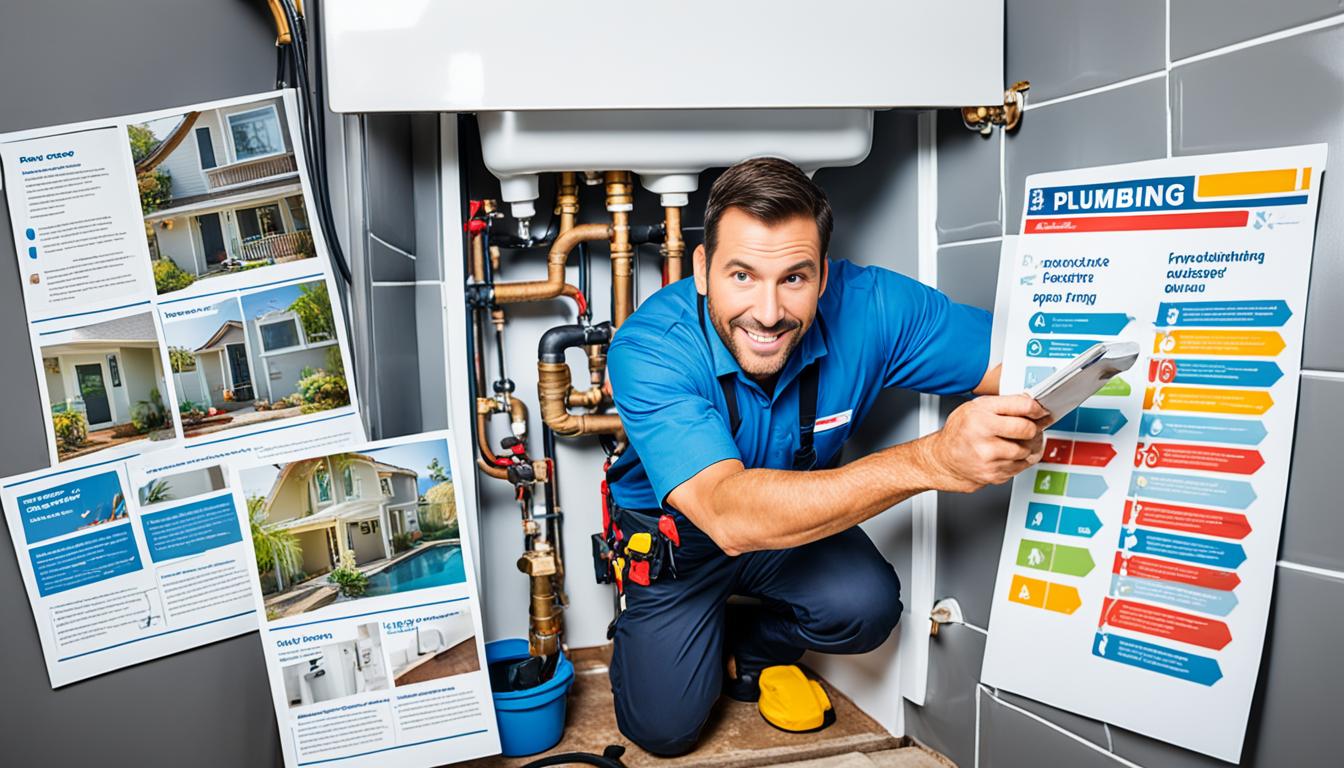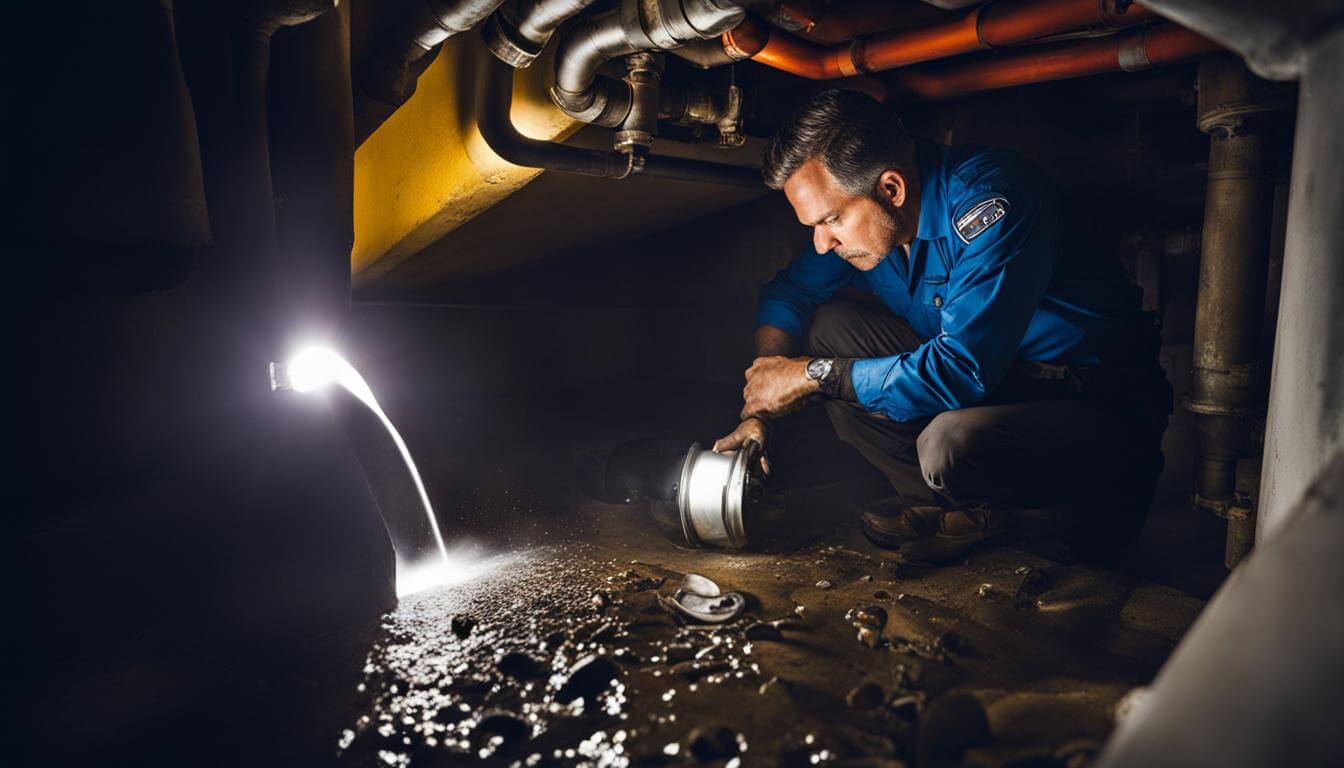
Plumbing Maintenance Magic: How Regular Checks Benefit You Welcome to our article on the benefits of regular plumbing maintenance. Your household plumbing system operates constantly, and like any system, it requires regular upkeep to ensure optimal performance. The Plumbing Maintenance Magic happens when you prioritize regular checks and maintenance tasks. Don’t wait for leaks or other plumbing issues to arise before taking action. Instead, be proactive and stay ahead of potential problems to save money and avoid inconvenience in the long run. Key Takeaways Regular plumbing maintenance ensures optimal performance of your plumbing system. Be proactive and prioritize regular checks to avoid costly repairs and inconvenience. The Plumbing Maintenance Magic happens when you identify and address potential issues early. Preventative measures, such as drain cleaning and water heater flushing, contribute to a healthier and more efficient plumbing system. Seek professional assistance for your plumbing maintenance needs to ensure the long-term health and functionality of your plumbing system. Plumbing Maintenance Magic: How Regular Checks Benefit You, The Importance of Regular Plumbing Maintenance Regular plumbing maintenance is essential for ensuring the overall functionality of your plumbing system. By scheduling routine checks and inspections, you can save money on costly repairs, prolong the lifespan of your fixtures, and ensure the efficient flow of water throughout your home. Proper plumbing maintenance also helps to identify potential issues before they escalate into major problems. Early detection can save you money in the long run while minimizing water damage and avoiding major inconveniences. By taking preventative measures, you can maintain your plumbing system’s performance and keep it running smoothly. Moreover, regular plumbing maintenance can improve the quality of your household water. By replacing filters, flushing water heaters, and performing other necessary maintenance tasks, you can ensure clean and safe water for your family. Professional assistance can be advantageous in helping you with your plumbing maintenance needs. Seeking expert help ensures that your plumbing system receives the best care possible. You will benefit from their knowledge, skills, and expertise while ensuring the long-term health of your plumbing system. Implementing regular plumbing maintenance can work like magic for keeping your home’s water systems running smoothly. It is the key to enjoying a well-functioning plumbing system, saving money on repairs, and enhancing the overall quality of your home’s water supply. Key Elements of Plumbing Maintenance plumbing maintenance benefits: Regular plumbing checks are critical to ensure that your water system functions optimally. Neglecting plumbing maintenance can be costly, leading to expensive repairs in the long run. Here are some key elements of plumbing maintenance you should know: Inspecting Pipes and Fixtures One of the essential elements of plumbing maintenance is inspecting pipes and fixtures regularly. This step helps identify any damage or leaks early on, preventing extensive damage and costly repairs. This process involves checking for leaking faucets, clogged drains, exposed pipes, broken seals, and other visible signs of wear and tear. Identifying Potential Issues Another element of plumbing maintenance is identifying potential issues that may cause future problems. This process may involve using specialized equipment to detect hidden leaks, corrosion, or other issues that may go unnoticed. Identifying such problems early can prevent major plumbing issues from developing. Clearing Obstructions Clearing obstructions from your plumbing system is another aspect of regular plumbing maintenance. Over time, mineral build-up, debris, and foreign objects can accumulate in the pipeline, reducing water flow and even causing blocked pipes. Flushing drains with hot water, using drain snakes, and using chemical drain cleaners can help keep your plumbing system running smoothly. “Regular plumbing maintenance helps prevent costly repairs and prolongs the lifespan of your fixtures.” Testing Water Pressure Water pressurization is another vital aspect of plumbing maintenance. High water pressure can damage plumbing fixtures, and corrode pipes, and wastewater. Testing water pressure regularly and adjusting it to a safe range can help prevent plumbing problems and save water. Flushing Water Heaters Water heaters need a thorough flushing every once in a while to remove any buildup that can reduce their efficiency and performance. Flushing involves draining the tank and removing any sediments or residues that could clog pipes. This process helps maintain optimal water heater performance and prolongs lifespan. Investing in regular plumbing maintenance can keep your household water system running smoothly and efficiently. By carrying out these key elements of plumbing maintenance, you can prevent costly repairs, prolong the lifespan of your plumbing system, and enhance your home’s safety. The Magic of Early Detection Regular checks are the key to preventing plumbing issues from becoming major inconveniences. By catching potential problems early, you can save money on costly repairs and minimize water damage, keeping your home safe and comfortable. Whether it’s a leaky faucet, a clogged drain, or a water pressure issue, early detection is critical to ensuring the longevity and optimal performance of your plumbing system. The earlier you detect a plumbing issue, the better it is for your home’s plumbing maintenance magic. Early detection can help you avoid major inconveniences, such as a burst pipe or a flooded basement. Not only can these issues cause significant damage to your property, but they can also be costly to repair. Some common signs that your plumbing system may be experiencing problems include low water pressure, slow drainage, unpleasant smells, and water stains. By addressing these issues early on, you can save yourself time, money, and hassle in the long run. Regular checks can work like magic in preventing major plumbing problems. Don’t wait until a small issue turns into a big one. Instead, schedule regular plumbing checks to ensure that your system is functioning optimally. By catching potential problems early, you can avoid costly repairs, minimize water damage, and keep your home comfortable and safe for you and your family. Preventative Measures for Plumbing Systems Regular plumbing checks and maintenance offer numerous benefits such as improving the system’s performance and significantly reducing costly repairs. Additionally, there are some preventive measures that you can take to keep the plumbing system healthy and functional. These
Read More
Plumbing Projects You Should Never Do Yourself: Expert Advice While it may be tempting to take on plumbing projects yourself, some tasks are best left to the professionals. Attempting certain projects without the necessary expertise can be not only frustrating but also dangerous, putting your home’s plumbing and your safety at risk. That’s why it’s essential to seek expert advice when it comes to your home’s plumbing needs. In this section, our experts will provide valuable insights on which plumbing projects you should avoid attempting yourself. By relying on their professional knowledge and expertise, you can ensure that your plumbing system remains safe, efficient, and reliable for years to come. Key Takeaways Attempting certain plumbing projects without professional knowledge can be dangerous. It’s essential to seek expert advice to ensure the safety and integrity of your plumbing system. Our experts will provide valuable insights on which plumbing projects you should avoid attempting yourself. Hiring a professional plumber can save you time, money, and frustration in the long run. By prioritizing safety and expertise, you can ensure the proper functioning and longevity of your home’s plumbing system. Understanding DIY Plumbing Pitfalls While DIY plumbing may seem like a cost-saving solution, it can actually lead to costly and dangerous consequences in the long run. Our plumbing experts warn against attempting certain plumbing projects without the necessary expertise. Here, we’ll discuss the potential pitfalls of DIY plumbing. Know What You’re Getting Into Before embarking on a DIY plumbing project, it’s crucial to understand the complexity involved in the task. While some projects may seem simple, such as unclogging a drain, there could be underlying issues that require a professional’s attention. Without proper knowledge, you could unknowingly make the problem worse. Underestimating the Risks DIY plumbing poses many potential safety risks. For example, attempting to repair a leaking pipe without proper tools or experience could result in flooding, damage to your home, or even injury to yourself. Our experts strongly advise against taking these risks and recommend leaving such projects to professionals. “What seems like a simple project at first can quickly turn into a nightmare if you don’t have the right knowledge or tools. Attempting plumbing projects you’re not experienced in can lead to costly mistakes.” – John Smith, Plumbing Expert The True Cost of DIY Plumbing While DIY plumbing may seem like a cost-saving solution, it could end up costing you more in the long run. If projects go awry, the cost of repairs becomes much higher than hiring a professional from the start. Plus, if you damage your home’s plumbing system, the cost of the damages could far outweigh the savings of a DIY project. DIY plumbing can be a tempting solution, but it’s not always the best choice. By understanding the potential pitfalls and risks involved, you can make a more informed decision about tackling your own plumbing projects. When to Call a Professional Plumber While some plumbing issues might seem simple to fix, it’s important to know when it’s time to call in a professional plumber. Attempting to handle certain repairs yourself could lead to costly mistakes, significant damage to your plumbing system, and even pose safety risks. So, when should you call a professional plumber? First, if you’re experiencing plumbing repairs that require specialized tools or equipment, it’s best to leave them to the professionals. A plumber has the expertise and experience needed to handle complex repairs quickly and efficiently. Second, if you notice signs of a plumbing emergency, such as burst pipes or a sewage backup, it’s time to call a professional immediately. Attempting to remedy these issues yourself could lead to dangerous situations and even health hazards in your home. Ignoring plumbing problems can also lead to more significant repair costs down the line. For example, a small leak might seem insignificant, but over time, it could cause mold growth or other severe damage to your home’s structure. Getting professional plumbing repairs as soon as possible can save you time, money, and potential safety risks. When in doubt, it’s always best to consult with a professional plumber. They can assess the situation, provide expert advice, and deliver the most appropriate solution for your needs. Don’t take risks with your home’s plumbing system – call in a professional plumber for plumbing repairs and maintenance. Plumbing Installation: Why You Need a Pro Installing new plumbing fixtures may seem like a simple task, but it’s essential to have a professional plumber handle the job. Proper installation requires knowledge of building codes, local regulations, and specialized tools that are not accessible to the average homeowner. If done incorrectly, you risk leaks, burst pipes, and extensive water damage that can be costly to repair. While DIY plumbing may seem like a cost-effective option, the potential risks far outweigh the benefits. Hiring a professional plumber ensures that your installation is up to code, complies with local regulations, and is done right the first time. It will also save you money in the long run by preventing costly repairs and the need for future replacements. Additionally, professional plumbers have access to quality materials and the latest technology, ensuring that your fixtures function efficiently and effectively. Doing it yourself may lead to subpar results and a shorter lifespan for your plumbing system. Don’t take the risk with your home’s plumbing installation. Hire a professional plumber and ensure the integrity and safety of your home’s plumbing system. The Importance of Plumbing Maintenance Regular plumbing maintenance is essential for ensuring the longevity and efficiency of your home’s plumbing system. While some tasks can be performed by homeowners, certain tasks are best left to professionals. Our experts recommend hiring a professional plumber for the following tasks: Plumbing Tasks Best Left to Professionals Why it’s Important Drain cleaning Can prevent future clogs and damage to pipes Water heater maintenance Can prolong the life of your water heater and ensure safe and efficient operation Leak detection and repair Can prevent costly water damage and improve water efficiency In
Read More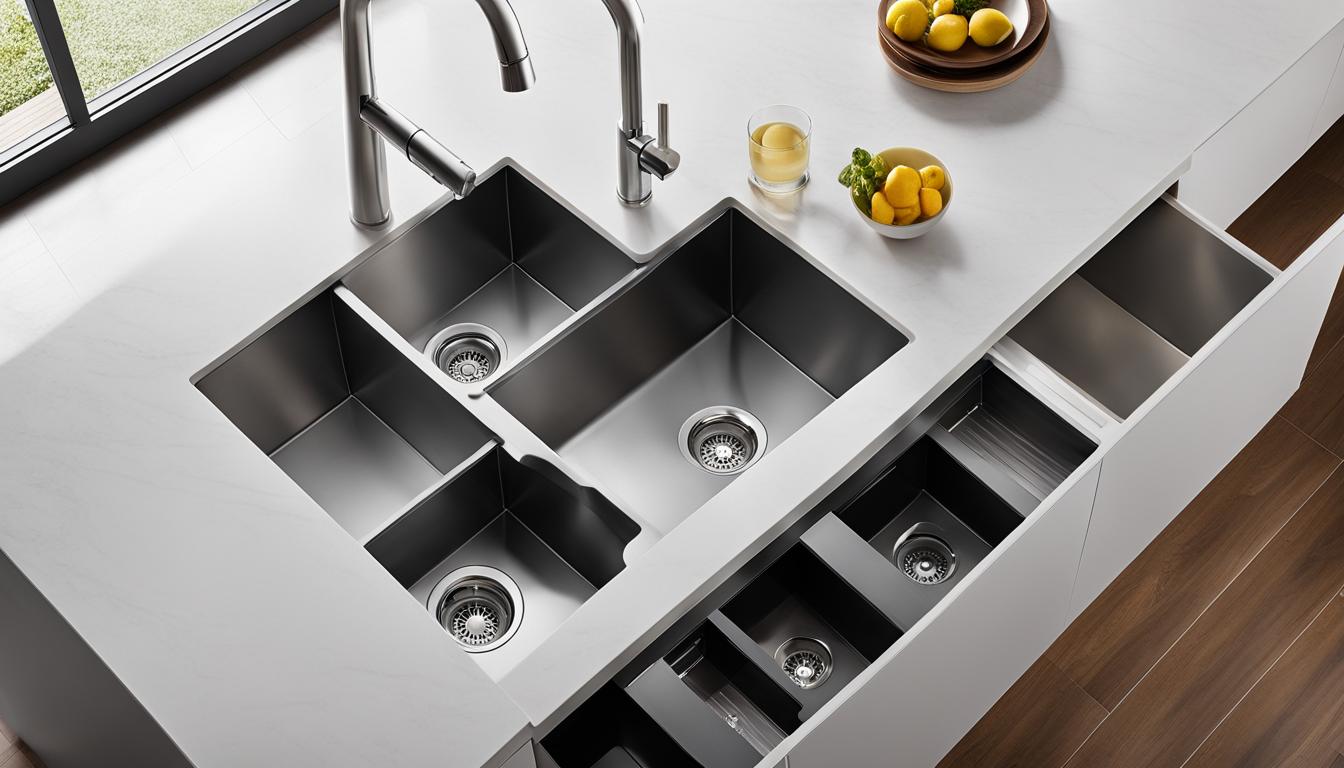
Kitchen Plumbing Design: A Practical Guide for Homeowners If you’re planning a kitchen renovation, it’s essential to consider your plumbing design. Not only is functionality important, but incorporating stylish features can elevate the overall look and feel of your space. In this practical guide, we’ll give you valuable insights and strategies to create a kitchen plumbing design that meets your needs. Key Takeaways: Planning is crucial before diving into a kitchen plumbing design. Consider the selection of plumbing fixtures during a kitchen renovation. Creative and innovative ideas can enhance the functionality and aesthetics of your space. Regular maintenance is essential to ensure your kitchen plumbing continues to function smoothly. Remember to prioritize both functionality and aesthetics in your design. Planning Your Kitchen Plumbing Design Are you planning a kitchen renovation? Before diving into your kitchen plumbing design, it’s crucial to plan. This ensures that everything is done right, on time, and within budget. A well-planned kitchen renovation can create a functional and stylish space that meets all your plumbing needs. One of the most important aspects of kitchen plumbing design is plumbing installation. This requires careful consideration of your kitchen’s layout and the location of your fixtures and appliances. You’ll want to ensure that your plumbing is installed in a way that is both functional and aesthetically pleasing. The selection of plumbing fixtures is another essential aspect of kitchen plumbing design. Fixtures not only serve practical purposes, but they can also add to the overall look and feel of your kitchen. From the style and finish to the functionality and price, there are various factors to consider when selecting plumbing fixtures. By planning your kitchen plumbing design carefully, you can avoid costly mistakes and ensure that everything runs smoothly. Take your time to consider all the details, from the type of pipes and valves to the placement of your fixtures and appliances. With the right planning and installation, you can create a beautiful and functional kitchen that meets all your plumbing needs. Incorporating Kitchen Plumbing Ideas Looking to add a unique touch to your kitchen plumbing design? Here are some kitchen plumbing ideas that can take your space to the next level: Colorful fixtures and pipes: Make a statement with brightly colored plumbing fixtures and pipes. Red, blue, yellow, and green are all great options to add some personality to your kitchen. Industrial-style faucets: Industrial-style faucets add a modern and sleek look to any kitchen. You can choose from a wide range of styles and finishes to match your kitchen’s overall aesthetic. Under-cabinet lighting: Add some extra lighting to your kitchen by installing under-cabinet lights. These lights not only add ambiance to your space but also highlight your beautiful plumbing fixtures. Exposed pipes: Exposed pipes can provide an industrial and rustic feel to your kitchen. This design feature can be especially effective if you have a minimalist design in your kitchen. Integrate your plumbing fixtures into the design: You can make your plumbing fixtures a seamless part of your kitchen design by incorporating them into the cabinetry or countertop material. Remember that these kitchen plumbing ideas should complement your kitchen’s style and functionality. Think about your goals for the space and choose ideas that make sense for your needs. Check out our Pinterest board for more kitchen plumbing design inspiration. Maintaining Your Kitchen Plumbing Now that you have completed your kitchen plumbing design, it’s essential to keep up with regular maintenance to ensure that everything continues to function smoothly. By following some important maintenance practices, you can keep your plumbing in top shape and avoid costly repairs down the line. Regular Cleaning One of the most crucial aspects of kitchen plumbing maintenance is regular cleaning. Over time, debris and grease can build up in your pipes and cause clogs. To avoid this, make sure to clear your kitchen sink and disposal regularly. Avoid throwing food scraps, coffee grounds, and other waste down the sink, as these can contribute to blockages. Instead, use a strainer to catch any leftover food and throw it in the garbage. Monitoring Water Pressure Another aspect of kitchen plumbing maintenance is monitoring your water pressure. High water pressure can cause stress on your pipes, leading to leaks and bursts. On the other hand, low water pressure can be a sign of a more significant problem, such as a blockage or water line break. You can purchase a water pressure gauge at your local hardware store to test your water pressure and make sure it falls within the proper range. Understanding Plumbing Codes Lastly, it’s essential to understand plumbing codes to maintain your kitchen plumbing. These codes set standards for plumbing practices and installation to ensure safety and efficiency. Make sure to follow these codes when making any repairs or alterations to your plumbing system. You can find your local plumbing codes through your municipality’s building department or online. By following these maintenance practices and staying up to date on plumbing codes, you can ensure that your kitchen plumbing stays in top shape and functions efficiently for years to come. Conclusion Congratulations on completing this practical guide to kitchen plumbing design! By following the tips and strategies outlined throughout this article, you are well on your way to creating a functional and stylish kitchen that meets your plumbing needs. Remember to prioritize both functionality and aesthetics in your design, as well as staying on top of regular maintenance. By doing so, you can ensure that your kitchen plumbing remains in top shape for years to come. We hope you found this guide informative and helpful. If you have any further questions or concerns about your kitchen plumbing design, don’t hesitate to reach out to a professional plumber for assistance. Happy plumbing! FAQ Q: What should I consider when planning my kitchen plumbing design? A: When planning your kitchen plumbing design, it is important to consider factors such as the layout, functionality, and access to water supply and drainage. You should also think about the placement of
Read More