Gas Boiler Maintenance: Key Steps for Long-Term System Health As a homeowner, it’s essential to prioritize the maintenance of your gas boiler system. Routine upkeep not only ensures the efficiency and longevity of your heating system but also minimizes the risk of costly breakdowns. By following a few key steps, you can maintain a healthy gas boiler system and enjoy a comfortable home environment all year round. Key Takeaways: Gas boiler maintenance is crucial for long-term system health Regular maintenance tasks can be performed by homeowners Professional servicing is important for thorough inspections and identifying potential issues By maintaining your gas boiler system, you can enjoy improved energy efficiency and reduced utility bills DIY maintenance tips and techniques can empower you to actively contribute to your system’s health The Benefits of Regular Gas Boiler Maintenance Regular gas boiler maintenance is essential for maintaining a healthy and efficient heating system. By prioritizing gas boiler maintenance, you can enjoy several benefits, including: Improved Energy Efficiency: Regular maintenance helps your system perform more efficiently, which can lead to lower energy bills and reduced environmental impact. Reduced Utility Bills: By optimizing performance, you can reduce your energy consumption and save money on monthly utility bills. Decreased Risk of Breakdowns: Regular maintenance helps identify potential issues before they escalate, reducing the risk of unexpected breakdowns and costly repairs. Prolonged System Lifespan: By keeping your system in optimal condition, you can prolong its lifespan and avoid premature replacements. Overall, gas boiler maintenance is a proactive measure that can help you save money, reduce stress, and avoid emergencies down the line. Keep your system healthy with regular maintenance and enjoy the cost savings and peace of mind that come with a well-maintained gas boiler system. Key Steps for Gas Boiler Maintenance Regular gas boiler maintenance is critical for maintaining the efficiency, lifespan, and overall health of your heating system. By following these boiler maintenance tips and techniques, you can prevent costly breakdowns and ensure optimal performance. Check the Pressure Level Your gas boiler requires proper pressure to function correctly. Check the pressure gauge regularly and ensure that it remains within the correct range. Low pressure can lead to system inefficiencies, while high pressure can increase the risk of leaks and other issues. Clean the Burner and Heat Exchanger Debris buildup on the burner and heat exchanger can reduce your boiler’s efficiency and increase the risk of malfunctions. Clean these components regularly with a soft brush or cloth. Avoid using harsh chemicals or abrasive materials that could damage the system. Inspect for Leaks Gas leaks can pose a significant risk to your home and family. Regularly inspect your boiler for any signs of leaks, including unusual odors or hissing sounds. If you suspect a gas leak, turn off the system immediately, evacuate the premises, and contact a professional for assistance. Check the Thermostat The thermostat is an essential component of your heating system. Check it periodically to ensure that it is functioning correctly. Replace the batteries regularly and test the settings to verify that the temperature is accurate. Call a Professional for Annual Servicing In addition to regular maintenance, your gas boiler requires professional servicing at least once a year. A qualified technician can perform a thorough inspection, clean critical components, and identify any potential issues before they escalate. Don’t wait until there’s a problem—schedule annual servicing to keep your system running smoothly. Importance of Professional Gas Boiler Servicing While regular maintenance can be performed at home, professional gas boiler servicing is crucial for ensuring the overall health and efficiency of your heating system. Not only can regular servicing detect any potential issues before they escalate, but it can also improve overall performance, decrease the risk of breakdowns, and extend the lifespan of your boiler. So, what exactly does professional gas boiler servicing entail? Tune-ups: A licensed technician will inspect and clean all components of the system, including the burners, heat exchanger, and ignition. They will also check for any leaks or combustion problems and make any necessary adjustments. Inspection: A thorough inspection of the system will identify any potential issues before they turn into costly repairs. This includes inspecting the flue and vent pipes, checking for adequate ventilation, and ensuring the boiler is operating at safe levels. “Annual inspections and servicing are the best way to keep your boiler running in top condition. They are also essential for identifying potential safety hazards and avoiding expensive repairs or replacements in the future.” – John Smith, HVAC Technician By prioritizing professional gas boiler servicing, you can have peace of mind knowing that your heating system is operating safely and efficiently. Contact a licensed technician to schedule annual servicing and follow our boiler maintenance best practices to keep your system in top shape. DIY Gas Boiler Maintenance: What You Can Do Regular gas boiler maintenance prolongs its lifespan and keeps it running efficiently. Besides bringing in the professionals, there are simple boiler maintenance techniques that you can carry out on your own. Here are some key boiler maintenance tips that you can do at home. Clean the boiler burner Over time, a gas boiler’s burner can become dirty, which may decrease the system’s efficiency. To clean the boiler burner: Switch off your gas boiler and let it cool completely. Remove the boiler cover. Clean the burner with a soft-bristled brush. Check the burner for signs of wear and tear. If you notice any damage, replace the burner immediately. Inspect for leaks Periodically checking for gas leaks can help prevent dangerous situations. Here’s how: Turn off the boiler and check the pipes and connections for noticeable cracks, corrosion, or damage. Wipe the pipes and connections with soapy water and see if bubbles form. If so, there might be a gas leak, and you should contact a professional immediately. Tip: If you smell gas in your home, turn off the gas supply immediately, and get outside. Do not turn on any lights, appliances, or use your mobile phone. Call the gas
Read More
Prevent Water Loss: How to Conserve Water at Home Water is one of our most precious resources, but it can be easily wasted in our daily activities. In the United States alone, the average household uses around 300 gallons of water per day. Implementing water-saving techniques and preventing water loss can help you conserve water at home and reduce your water bill. In this section, you will find practical tips on how to prevent water loss and conserve water at home. By making simple changes in your routine, you can help protect the environment and save money on your water bill. Key Takeaways: Water conservation is crucial for the sustainability of our natural resources. Simple modifications in our routine, such as fixing leaks and upgrading appliances, can significantly reduce water usage. Conserving water at home helps save money on your water bill. By preventing water loss, you can make a positive impact on the environment and contribute to a more sustainable future. In the following sections, you will learn more about practical tips for conserving water and reducing water usage in your household. Prevent Water Loss: How to Conserve Water at Home – Understanding the Importance of Water Conservation Water is an essential resource that sustains life on our planet. However, with the growing population and climate change, our water resources are depleting rapidly. This is where water conservation comes in. Conserving water means reducing water usage and preventing water loss, which not only benefits the environment but also helps save money on your water bill. When you reduce water usage in your daily activities, you contribute to the overall sustainability of our natural resources. By conserving water, you can help mitigate the effects of droughts, protect freshwater habitats, and reduce the energy needed to transport and treat water. Reducing water usage can be done in many simple ways. Some of the most effective include: Fixing leaks in pipes, faucets, and toilets Taking shorter showers Using a broom instead of a hose to clean outdoor areas Using a bucket when washing your car instead of a hose Watering your lawn and garden during cooler hours to reduce evaporation Reducing water usage not only brings environmental benefits but also monetary benefits. By using less water, you will reduce your water bill and save money. Therefore, it is crucial to understand the importance of water conservation and reduce water usage in our daily lives. It is a simple yet powerful way to help protect and conserve our planet’s valuable resources. Identify and Fix Water Leaks home water conservation: Did you know that a small leak can waste up to 20 gallons of water per day? That’s not only bad for the environment but also adds up to your water bill. It’s time to identify and fix those leaks in your home! The most common areas for leaks are faucets, toilets, and pipes. Use your senses to detect them, look and listen, and feel for dampness. For instance, if your faucet drips constantly, it might need a new washer that you can replace yourself. If your toilet is constantly running and doesn’t stop after flushing, the flapper valve might be stuck, and you can often adjust it or purchase a new one for cheap. If you see wet spots on the walls or ceilings or feel dampness on the floors, you might have a burst pipe or water leakage within the walls that requires professional repairs. Remember, every drop of water counts! Fixing leaks in a timely fashion can prevent water loss and unnecessary wastage – and save you money. If you are not sure whether something needs attention, hire a plumber to check it out. It’s worth it in the long run. How to Detect Water Leaks Area How to Detect Leaks Possible Fixes Faucets Look for drips, listen for water flowing, feel for dampness, and check the water meter when not using water. Replace the washer, replace the o-ring, tighten, clean, or lubricate, and turn off the water valve. Toilets Listen for water running, look for water overflowing or running constantly, add food coloring or dye to the tank, and see if it leaks into the bowl. Adjust or replace the flapper valve, tighten bolts or nuts, clean or replace the inlet valve, clear clogs, and replace the entire toilet. Pipes Look for wet spots, listen for any hissing or rushing sounds, and feel for dampness or moisture on the walls, ceilings, or floors. Locate and expose the pipe, fix cracked or broken joints, replace sections, install sleeves, insulation, or heat tape, seal gaps or holes, and hire a professional plumber. Remember, you have the power to prevent water loss by implementing small changes in your daily routine. Stay tuned for more tips on conserving water in your household! Implement Water-Saving Techniques in Your Household Reducing your water usage doesn’t have to be a hassle. With a few simple changes, you can conserve water in the house and save money on your utility bills. First, make sure you’re using your dishwasher and washing machine only when you have a full load. This will minimize water waste and maximize energy efficiency. Additionally, check your appliances for water-efficient options, such as Energy Star-certified washing machines and low-flow showerheads. Another way to save water is by adjusting your irrigation system. Water your lawn and garden during the early morning hours or in the evening to prevent water loss due to evaporation. Additionally, make sure your sprinklers are adjusted to water your lawn and not the sidewalk or driveway. Reducing shower time can also help conserve water. Aim for a five-minute shower, and you’ll use less water than a bath. Turning off the water while you lather up can also save dozens of gallons over time. Finally, fix any leaks in your home promptly. A slow drip can waste hundreds of gallons of water each year. Check for leaks in your faucets, toilets, and pipes, and fix them as soon as they’re detected. “Conserving
Read More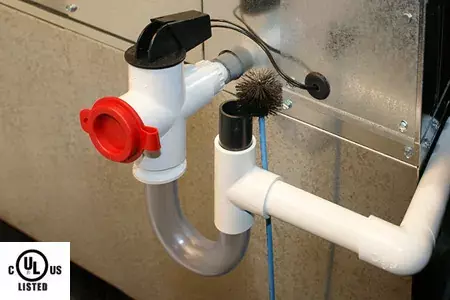
HVAC Maintenance: Key Condensate Management Tips When it comes to HVAC maintenance, there’s one crucial aspect that you don’t want to overlook: condensate management. Your HVAC system generates water as it cools your home or office, and failing to manage that condensation properly can lead to water damage and other issues. In this section, we’ll explore why condensate management is so important and provide you with key tips to ensure you’re optimizing your system’s performance and preventing issues down the line. Key Takeaways: Proper condensate management is crucial for preventing water damage and optimizing your HVAC system’s efficiency. Understanding the drainage system, condensate pan, and condensate pump is essential for effective condensate management. Routine upkeep of the evaporator coil and maintaining a proper drainage system are important HVAC maintenance tips for condensate management. The use of a condensate pump can enhance condensate management and improve your system’s performance. Preventing water damage through condensation control should be a top priority for HVAC system maintenance. Understanding Condensate Management Condensate management is a crucial aspect of HVAC system maintenance, and to ensure effective maintenance, it’s essential to understand the functioning of the drainage system, condensate pan, and condensate pump. Component Function Drainage System The drainage system is responsible for collecting and directing condensate away from the HVAC system and out of the building. To prevent blockages and overflow, it’s important to keep the drain lines clear of debris and inspect them regularly. Condensate Pan The condensate pan sits under the evaporator coil and collects condensate, which then drains out of the HVAC system. A cracked or damaged pan can lead to leaking and water damage, so it’s crucial to inspect it regularly. Condensate Pump A condensate pump is used when it’s impossible to use gravity to move the condensate away from the HVAC system. It works by pumping the collected condensate out of the pan and to a safe location. Regular maintenance of the pump is key to avoid malfunctioning and water damage. By familiarizing yourself with these components, you can effectively maintain your HVAC system’s condensate management and prevent water damage. In the next section, we’ll highlight the importance of condensation control in preventing water damage. Preventing Water Damage: Importance of Condensation Control Water damage can cause significant problems for HVAC systems, leading to costly repairs and even potential health hazards. That’s why condensation control is a crucial aspect of HVAC maintenance. By managing condensation effectively, you can prevent water damage and keep your system operating at peak efficiency. The risks of water damage can be severe. Water accumulation can lead to rust and corrosion and damage to system components, including motors, bearings, and belts. Additionally, if water is not removed promptly, it can result in mold and bacterial growth, which can lead to adverse health effects. These potential issues make condensation control a key component of any HVAC maintenance plan. Condensate management plays a critical role in mitigating these risks. By maintaining proper drainage, cleaning the condensate pan, and ensuring the evaporator coil is in good condition, you can minimize the potential for water damage to occur. Additionally, using a condensate pump can help optimize the drainage system, ensuring that condensation is effectively removed from the system. The Role of Condensate Management in Preventing Water Damage Effective condensate management helps to prevent water damage to your HVAC system in several ways. By ensuring that condensation is efficiently drained from the system, you can reduce the potential for water accumulation that can lead to rust, corrosion, and component damage. Additionally, by preventing standing water, you can minimize the risk of mold and bacterial growth, which can lead to health issues. Proper maintenance of the condensate pan also plays a critical role in preventing water damage. Over time, the pan can become clogged with dirt, debris, and algae, reducing its effectiveness in collecting condensation. Regular cleaning and maintenance of the pan can help ensure that it remains in good condition and continues to function as intended. Finally, the evaporator coil is also a key component of condensate management. When the coil becomes dirty or clogged with debris, it can reduce your system’s efficiency, leading to more condensation. Regular maintenance of the coil can help ensure that it remains clean and free from debris, maximizing your system’s performance and minimizing the potential for water damage. Condensation Control Preventing Water Damage Condensate Management Regular cleaning and maintenance of the condensate pan. Reduces the potential for mold and bacterial growth. Helps ensure that condensation is efficiently drained from the system. Proper drain line installation and maintenance. Minimizes the risk of component damage due to water accumulation. Ensures that the evaporator coil remains clean and free from debris. Use of a condensate pump to optimize the drainage system. By following these tips for effective condensation control, you can prevent water damage to your HVAC system and keep it operating at peak performance. Schedule regular maintenance appointments with a licensed HVAC professional to ensure that your system remains in good condition. HVAC Maintenance Tips for Condensate Management Regular maintenance of your HVAC system is crucial to ensure optimal performance and prevent water damage. Here are some practical tips to help you maintain your condensate management: Check and clean evaporator coils regularly. Dirty coils reduce airflow and efficiency, leading to increased energy consumption and a shorter lifespan of your HVAC system. Use a soft cloth or brush to remove dirt and debris. Inspect the condensate pan regularly. A clogged or damaged pan can cause water buildup, leading to overflow and water damage. Ensure proper drainage and clean the pan thoroughly. Install a float switch. A float switch can shut down your system in case of excess water buildup in the condensate pan. This helps prevent water damage and prolongs the life of your HVAC system. By following these simple HVAC maintenance tips, you can ensure efficient condensate management and prevent costly damages. Regular upkeep of your HVAC system will help keep it running smoothly for years
Read More