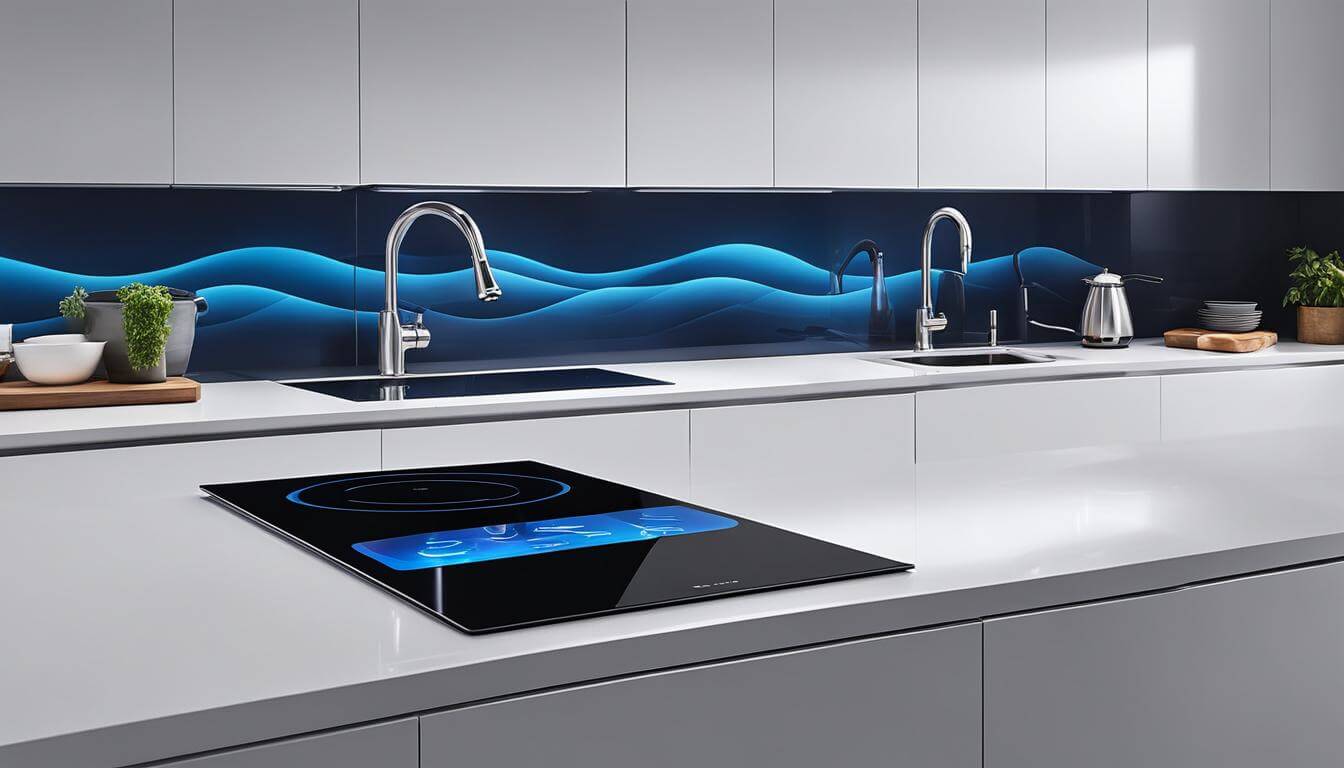
Tech Trends in the Kitchen: Embracing Touchless Technologies As technology continues to advance, touchless technologies have become a major trend in the kitchen. From smart faucets to voice-controlled ovens, these innovations are bringing convenience and hygiene to the cooking experience. Touchless kitchen gadgets not only eliminate the need for physical contact but also promote a cleaner and safer cooking environment. With kitchen tech trends constantly evolving, it’s important to stay up-to-date with the latest touchless innovations that can transform your kitchen. Key Takeaways Touchless technologies are revolutionizing the cooking experience in the kitchen. These innovations prioritize hygiene and promote a more eco-friendly environment. It’s essential to stay informed about the latest kitchen tech trends. Investing in touchless kitchen gadgets can make meal preparation more convenient and efficient. Embrace touchless kitchen technology and create a smarter, cleaner cooking space today. Embracing Hands-Free Kitchen Technology Are you tired of constantly having to wash your hands while cooking? Introducing hands-free technology to your kitchen could be the solution you’ve been searching for. With the help of smart kitchen appliances, voice-controlled kitchen devices, and touchless kitchen innovations, you can now maneuver your kitchen with ease and precision, while maintaining cleanliness and hygiene. One of the most significant benefits of hands-free kitchen technology is the convenience it provides. Smart kitchen appliances, such as ovens and refrigerators, can be controlled by voice commands, allowing you to keep your hands free for meal preparation. Similarly, touchless kitchen gadgets like motion sensor faucets and soap dispensers eliminate the need for messy hands and ease the cleaning process. Voice-controlled kitchen devices allow you to operate appliances using simple commands, such as “turn on the oven” or “preheat to 350 degrees.” This capability gives you greater control over meal preparation while also reducing the risk of contamination from frequently touched surfaces. Touchless kitchen tools also offer substantial benefits in terms of hygiene. Automated systems, such as dishwashers and waste disposal units, reduce the contact you have with dirty dishes and waste, making the kitchen a cleaner and healthier environment. By switching to touchless kitchen technology, you can say goodbye to contaminated surfaces, sticky keypads, and greasy handles. Are you ready to revolutionize your cooking routine with touchless kitchen innovations? Whether you’re looking to simplify your meal preparation or keep your kitchen immaculate, hands-free technology is the way to go. Try out these smart kitchen solutions and discover just how convenient a touchless kitchen can be. The Benefits of Touchless Cooking Tools If you’re looking to upgrade your kitchen experience, touchless cooking tools might just be what you need. By eliminating the need to touch knobs, handles, and buttons, these tools create a more hygienic cooking environment. But the benefits go beyond just cleanliness. Automated kitchen systems can help you save time and effort. By using sensors and pre-programmed settings, smart kitchen solutions allow you to prepare meals with ease. Imagine being able to control your oven or microwave with just your voice or a remote control. With touchless technology, it’s possible. What’s more, touchless cooking tools and automated kitchen systems can help you create a seamless cooking experience. Everything from recipe measurement and timing to ingredient preparation can be integrated into one automated system. No more juggling multiple tools and devices. With touchless kitchen innovations, you can streamline your cooking routine and focus on what’s important – creating delicious, healthy meals. Touchless Cooking Tools vs Traditional Tools Still not convinced? Let’s take a closer look at how touchless cooking tools compare to traditional tools: Touchless Cooking Tools Traditional Tools Cleanliness Hygienic – no need to touch handles or buttons Increased risk of cross-contamination Efficiency Streamlined cooking experience Requires juggling multiple tools and devices Convenience Voice-controlled or remote-controlled Manual operation As you can see, touchless cooking tools come out on top in terms of hygiene, efficiency, and convenience. By embracing the latest kitchen tech trends, you can enjoy a smarter, cleaner, and more enjoyable cooking space. Exploring Touchless Kitchen Innovations If you’re looking to upgrade your culinary skills, it’s time to explore touchless kitchen innovations. Today’s smart kitchen appliances and voice-controlled devices are making meal preparation more efficient and hygienic than ever before. One standout innovation is the smart faucet. Controlled by voice commands or motion sensors, a smart faucet allows you to turn on and off the water flow without actually touching the fixture. This is perfect for when your hands are dirty from raw ingredients, or when you want to avoid cross-contamination in a busy kitchen. Touchless Kitchen Innovations Description Voice-Controlled Speakers Listen to music or have your questions answered while cooking. Smart Ovens and Cooktops Control your cooking settings, temperature, and time with voice commands, timers, and remote-control features. Smart Refrigerators Monitor your food inventory, get recipe suggestions, and control the settings of your fridge from your phone or using voice commands. Another innovative kitchen gadget is the voice-controlled smart speaker. This gadget lets you play music, get answers, and hear the latest news while you cook with hands-free convenience. You can even create daily reminders and to-do lists that you can access just by speaking your commands. A smart oven or cooktop is an excellent option for those who want to streamline their time in the kitchen. With temperature control, timer settings, and voice-command features, stretching, bending or hovering over the stove is no longer necessary. Finally, smart refrigerators are a game-changer when it comes to food storage. These refrigerators have features that allow for food inventory monitoring, recipe suggestions based on food items available, and various control options via your phone or voice commands. Plus, with touchless features such as the ones enabled on the LG ThinQ Refrigerator, users can say goodbye to germ-filled handles that would otherwise be a nightmare to clean. Experience the future of cooking with these touchless kitchen innovations that make meal preparation easier, more efficient, and safer than ever before. Creating a Smarter, Cleaner Cooking Space If you want to enhance your cooking experience, touchless technologies are the way
Read More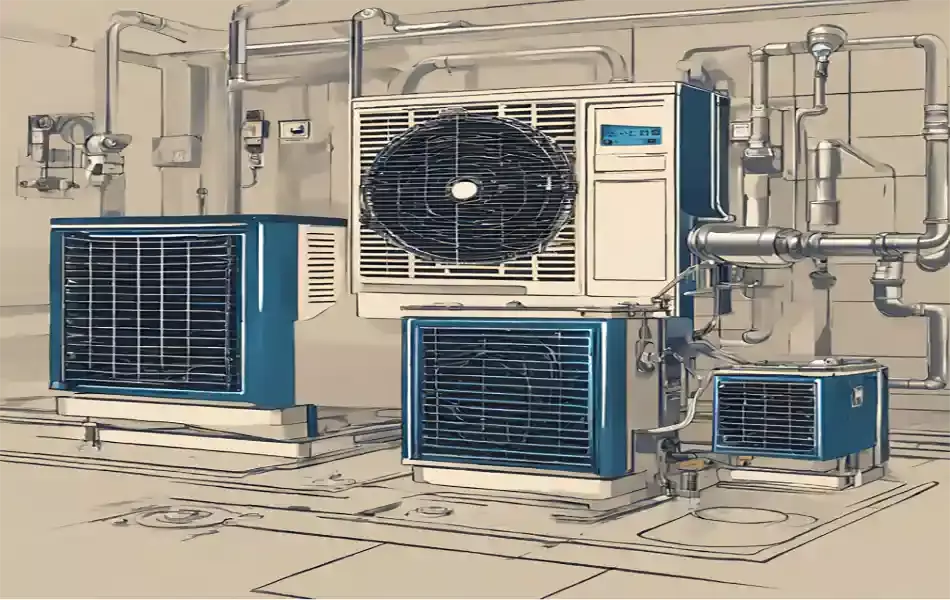
Cooling Efficiency 101: An Important Air Conditioning Tip As the scorching summer heat sets in, you rely heavily on your air conditioning system to keep you cool and comfortable. But did you know that a poorly functioning AC unit can not only have a detrimental effect on your energy bills but may also negatively impact your health? To ensure that your air conditioning system is running efficiently and effectively, you need to understand the concept of cooling efficiency. Cooling efficiency refers to the ability of your air conditioning system to cool your home while consuming minimal energy. An air conditioning system with high cooling efficiency will keep your home comfortably cool without driving up your energy bills. With the rising cost of energy, it’s essential to maximize the cooling efficiency of your AC. Key Takeaways Cooling efficiency is crucial for your air conditioning system’s performance and your comfort. Understanding cooling efficiency can help you save on energy bills and optimize your air conditioner’s performance. Several easy-to-implement tips can improve your cooling efficiency. Regular maintenance and upgrades to energy-efficient systems can make a significant impact on cooling efficiency. Proper home insulation and smart thermostats are two essential factors that can help maximize cooling efficiency. Understanding Cooling Efficiency When it comes to air conditioning, cooling efficiency refers to the AC’s ability to cool a room effectively while using minimal energy. This is important because the higher the cooling efficiency, the more cost-effective and energy-efficient your air conditioner is. Factors that affect cooling efficiency include the size of your room, the number of windows, insulation, desired temperature, and the age and condition of your AC unit. A unit that is too small for your room will struggle to cool it efficiently, while an oversized unit will waste energy. Poor insulation and air leaks can also reduce cooling efficiency by allowing the cooled air to escape. Optimizing cooling efficiency can have a significant impact on your energy bills and overall comfort. By maintaining a balanced temperature and humidity level, you can create a more comfortable and healthy indoor environment. Did you know? High cooling efficiency can improve indoor air quality by reducing humidity and preventing mold growth. Tips for Improving Cooling Efficiency If you’re looking to enhance your air conditioner’s performance and maximize cooling efficiency, try these easy-to-follow tips: Adjust your thermostat settings: Raising your thermostat by a few degrees can significantly reduce your energy consumption and save money on your utility bill. Try setting your thermostat to 78 degrees Fahrenheit when you’re at home and 82 degrees when you’re away. Utilize ceiling fans: Running ceiling fans counterclockwise helps circulate cool air and distribute it more efficiently throughout your home. This can help you feel more comfortable while reducing the load on your AC. Use curtains or blinds: Blocking out sunlight by closing curtains or blinds during the day can prevent excess heat from entering your home, keeping it cooler and reducing your AC’s workload. Maintain your AC unit: Keeping your air conditioner unit well-maintained is vital for optimal cooling efficiency. Change your air filters regularly, clean the vents, and schedule professional maintenance annually. Upgrade to an energy-efficient air conditioning system: Investing in an energy-efficient AC unit can significantly reduce energy consumption while maximizing cooling efficiency. Look for units with the ENERGY STAR® label, and consult with a professional to choose the best system for your needs. By following these cooling tips, you can boost your air conditioner’s performance, save energy, and maintain a comfortable home environment. For more expert advice and guidance, contact a local HVAC specialist today. The Importance of Regular Maintenance Regular maintenance is crucial for keeping your air conditioning system functioning at optimal performance and maintaining cooling efficiency. Without proper upkeep, your AC can become less efficient, leading to higher energy bills and potential breakdowns. There are a few critical maintenance tasks you should schedule to avoid these issues: Maintenance Task Frequency Filter Cleaning Every 1-3 months Coil Inspection Annually Refrigerant Level Check Annually Note: Always refer to your AC’s manufacturer’s recommendations regarding maintenance requirements to ensure optimal performance and reliability. By having a professional HVAC technician perform these tasks regularly, you can ensure your air conditioning system runs smoothly, energy efficiently, and has a longer lifespan. Having a well-maintained air conditioning system not only improves cooling efficiency but also improves air quality and reduces the risk of health issues. Don’t overlook the importance of regular maintenance. By keeping up with these simple tasks, you can save yourself money and stress in the long run. Upgrading to Energy-Efficient Systems Investing in energy-efficient air conditioning systems can significantly enhance your cooling efficiency and energy savings. Compared to traditional AC units, energy-efficient ones consume less energy to operate, resulting in lower utility bills. Additionally, energy-efficient air conditioning systems often come with advanced features that can improve comfort and convenience. There are different types of energy-efficient AC units to choose from, including ductless mini-split systems, geothermal heat pumps, and smart air conditioners. Ductless mini-splits are ideal for homes with no ductwork, while geothermal heat pumps are suitable for regions with moderate to cold climates. Smart air conditioners, on the other hand, provide enhanced automation and control through mobile apps and voice assistants. When upgrading to energy-efficient AC units, it’s important to consider the unit’s SEER rating (Seasonal Energy Efficiency Ratio) and cooling capacity to ensure optimal performance. A high SEER rating indicates better cooling efficiency and energy savings. Moreover, make sure to schedule professional installation to maximize the unit’s potential and prevent warranty issues. Overall, upgrading to energy-efficient air conditioning systems is a wise investment that not only optimizes your cooling efficiency and energy savings but also contributes to a greener environment. Simple Steps for Home Insulation Proper home insulation plays a crucial role in maximizing cooling efficiency, reducing energy consumption, and enhancing your comfort. By implementing some simple tips, you can make a significant difference in your home’s insulation and enjoy a cooler, more energy-efficient environment. Seal Air Leaks Air leaks
Read More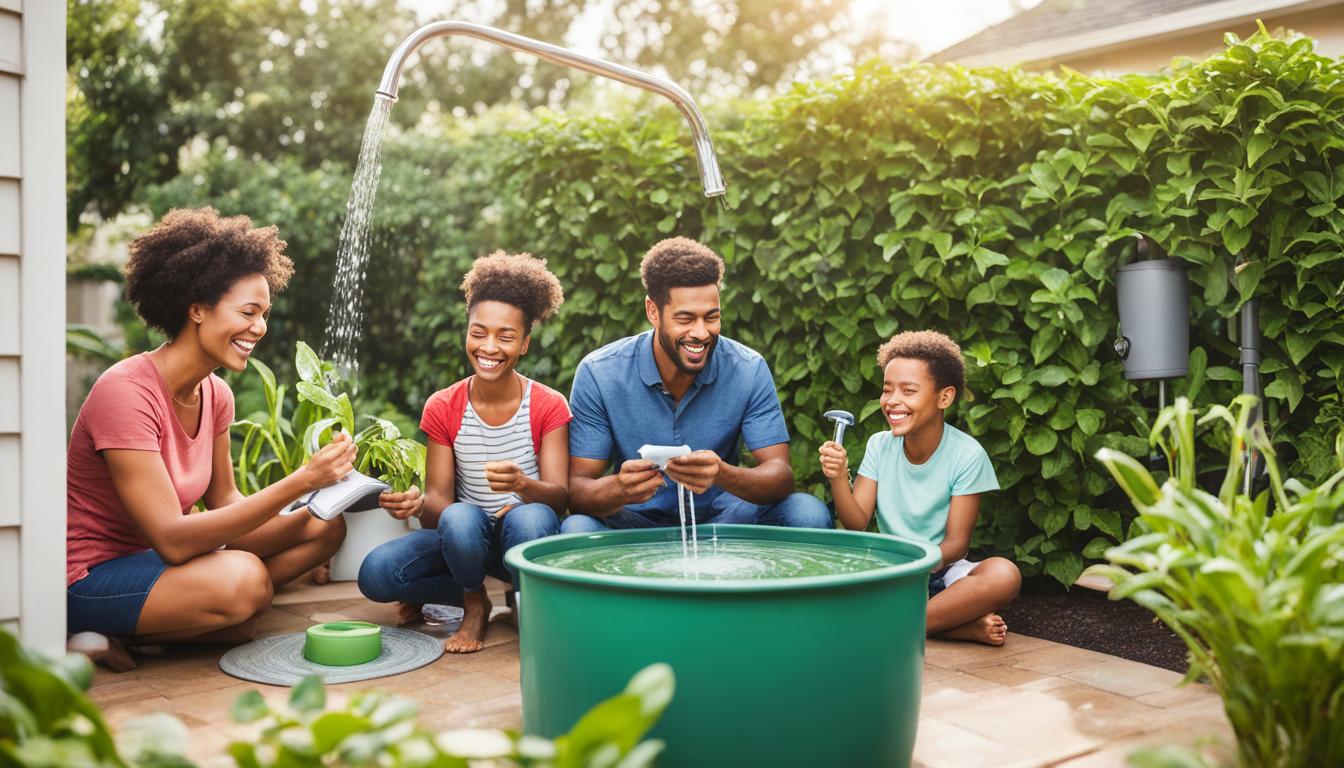
Smart Water Conservation Tips for Your Home Water is a precious resource and every drop counts. By implementing simple and practical water conservation tips, you can do your part in reducing water usage in your home and contributing to a more sustainable lifestyle. From fixing leaks to modifying your watering habits, there are many ways to conserve water in your daily routine. By making small changes, we can collectively make a big impact on preserving our planet’s most valuable resource. Key Takeaways Upgrading to water-efficient fixtures can significantly reduce water wastage Fixing leaks and drips can save thousands of gallons of water annually Adjusting your watering routines and practices can help conserve outdoor water usage Optimize your laundry and kitchen routine to save water and reduce water usage Capture and reuse rainwater for various household uses Install Water-Efficient Fixtures Reducing water consumption in your home starts with installing water-efficient fixtures. Upgrade your existing showerheads, faucets, and toilets to low-flow options to minimize water wastage without compromising performance. Low-flow showerheads, for example, can save up to 2.5 gallons of water per minute, significantly reducing overall water usage. Look for fixtures that are certified by EPA WaterSense, which ensures they meet water conservation standards. Consider investing in smart fixtures that use sensors to regulate water usage. These fixtures detect when you’re not using the water and shut it off automatically to prevent waste. These may cost more initially, but the long-term savings on water bills make them an excellent investment. When choosing fixtures, look for options that have a flow rate of 1.5 gallons per minute or less for faucets and 1.28 gallons per flush for toilets. By switching to these water-efficient options, you can save hundreds of gallons of water every year. Comparison Table: Water-Efficient Fixtures Fixture Average Flow Rate Annual Water Savings Low-Flow Showerhead 1.5 gallons per minute 2,700 gallons WaterSense Faucet 1.5 gallons per minute 700 gallons Dual-Flush Toilet 1.28 gallons per flush 4,000 gallons By installing water-efficient fixtures, you can promote water-efficient living, conserve water at home, and save money. These small changes can make a big difference, reducing water consumption and contributing to a more sustainable lifestyle. Fix Leaks and Drips Do you know that your plumbing system is one of the biggest contributors to water wastage in your home? Even the smallest leaks and drips can translate into significant water waste over time. That’s why it’s crucial to check your plumbing system regularly for leaks and repair them promptly. By fixing leaks, you can make a big difference in water conservation at home. Simple fixes like replacing worn-out washers or tightening connections can help you reduce water consumption. Moreover, a well-maintained plumbing system can also save you from unnecessary repair costs. So, make it a habit to inspect your home for water leaks and drips often. You don’t have to be a professional plumber to detect leaks; all you need is a keen eye and some basic tools like a wrench, screwdriver, and flashlight. If you identify a leak, don’t delay repairing it. With prompt action, you can save a significant amount of water and money in the long run. “Leaky faucets and plumbing joints can waste more than 10,000 gallons of water annually”- EPA Benefits of fixing leaks and drips By fixing leaks and dripping faucets, you can enjoy several benefits beyond water conservation. These benefits include: Saving money on your water bill Preventing water damage to your home’s structure and foundation Avoiding mold and mildew growth Maintaining water pressure in your faucets and showerheads So, take control of your water consumption by checking and fixing leaks and drips in your plumbing system. It’s a simple and effective way to reduce your water footprint at home. Modify Your Watering Habits Efficiently managing outdoor water usage is essential for water conservation. Here are some water-saving tips that can help: Water During Optimal Hours You can minimize the amount of water lost to evaporation by watering your lawn and plants during early morning or late evening hours. This is when the temperatures are cooler, and there’s less wind to cause water to drift away. Adjust your sprinkler system accordingly, to reduce water wastage. Use a Soaker Hose or Drip Irrigation System If you’re looking for ways to save water, a soaker hose or drip irrigation system can be an effective solution. These systems deliver water directly to the base of the plants, where it’s needed most, reducing water loss due to runoff and evaporation. This water-saving tip is especially helpful for areas with water scarcity. Consider replacing your regular hose with a soaker hose or investing in a drip irrigation system to conserve water. “Using a soaker hose or drip irrigation system is an efficient way to reduce your outdoor water usage, while keeping your lawn and garden healthy.” Practice Smart Water Use in the Kitchen The kitchen is a significant area where water conservation methods can be applied to help conserve water at home. One of the easiest ways to reduce water usage in the kitchen is by using a dishwasher for full loads instead of handwashing dishes. Dishwashers use less water and also save the time and effort it takes to manually wash dishes. Another way to save water is by defrosting frozen food in the refrigerator instead of using running water. This will help reduce water wastage while also conserving energy. Repurposing leftover cooking water for plants is another smart water-saving tip. Instead of dumping the water down the drain, let it cool, and use it to water houseplants or outdoor plants. By incorporating these ways to save water in the kitchen, you can save a significant amount of water and contribute to a more sustainable lifestyle at home. Optimize Laundry Routine When it comes to laundry, being mindful of your water usage can make a big difference in conserving water. Follow these water-saving tips to reduce your water consumption: Only run the washing machine with full loads to maximize water efficiency and
Read More