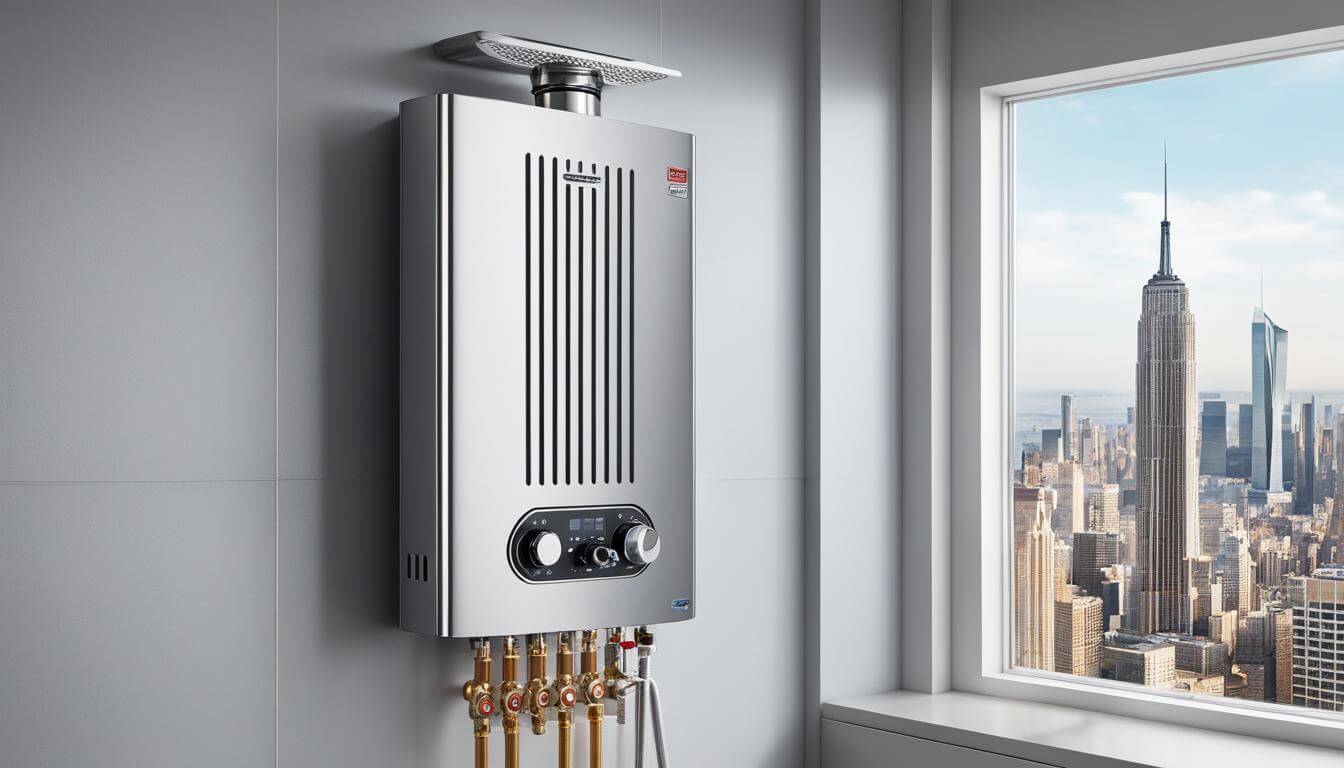
Tankless Wonders: Unveiling the Science Behind Water Heaters If you’re in the market for a new water heater, you may have heard about tankless water heaters. But what exactly are they, and how do they work? In this article, we’ll explore the science behind these innovative appliances and why they’re a smart choice for savvy homeowners. Unlike traditional storage tank water heaters, tankless water heater technology does not store hot water. Instead, they heat water on demand and provide a continuous supply of hot water whenever you need it. But how exactly do they achieve this? Let’s take a closer look. Key Takeaways Tankless water heaters heat water on demand, providing a continuous supply of hot water. They offer energy-saving advantages and benefits, including reduced energy consumption and lower utility bills. Installation can be more complicated and may require professional assistance. Tankless water heaters are a smart choice for environmentally conscious homeowners. When deciding between a tankless and traditional storage-tank water heater, consider factors such as performance, efficiency, and cost. Understanding Tankless Water Heater Technology If you’re looking for energy-efficient water heaters and space-saving water heating options, a tankless water heater is an excellent choice. But have you ever wondered how these innovative appliances work? In this section, we’ll explain the technology behind tankless water heaters and give you a glimpse into their inner workings. At the heart of a tankless water heater is a heat exchanger, which is responsible for heating the water. When you turn on a hot water tap, cold water is fed into the unit through a pipe. The heat exchanger then heats the water to the desired temperature before sending it out of the unit and to your faucet. But how does the heat exchanger heat the water? In most tankless water heaters, it’s done using either gas or electricity. In a gas-powered unit, a burner is ignited whenever hot water is needed. The heat from the burner is transferred to the heat exchanger, which, in turn, heats the water as it flows through. In an electric-powered unit, the heat exchanger is equipped with heating elements that are powered by electricity. As with a gas-powered unit, the elements heat the water as it flows through the heat exchanger. One of the key advantages of tankless water heaters is that they operate on demand. Unlike traditional water heaters, which keep a large tank of water hot at all times, a tankless unit only heats water when you need it. This can result in significant energy savings over time. Components of a Tankless Water Heater how do tankless water heaters work? In addition to the heat exchanger, several other key components make up a tankless water heater. These include: The incoming water supply The gas or electric supply The thermostat The flow sensor Together, these components work in harmony to deliver a continuous supply of hot water to your home. But, as with any appliance, it’s important to ensure that these components are properly maintained to keep your tankless water heater running smoothly. Advantages of Tankless Water Heater Technology tankless water heater vs traditional water heater: Now that you understand the technology behind tankless water heaters, you may be wondering what benefits they can offer. In addition to their energy efficiency, these appliances are also space-saving and environmentally friendly. They have a longer lifespan than traditional water heaters and can be more cost-effective in the long run. Plus, because they only heat water on demand, you’ll never run out of hot water again! Energy-Efficient Water Heaters: Advantages and Benefits When it comes to heating water in your home, energy efficiency is key. Tankless water heaters offer a range of benefits, including: Reduced energy consumption Lower utility bills Less maintenance Longer lifespan than traditional water heaters Compact design, saving valuable space in your home One of the primary advantages of tankless water heaters is their energy efficiency. Because they do not store hot water in a tank, they are not constantly using energy to keep water heated. Instead, they heat water on demand, which means they only use energy when needed. This can lead to significant energy savings over time, making them a smart choice for environmentally conscious homeowners. Tankless water heaters can be up to 34% more energy-efficient than traditional water heaters, according to the U.S. Department of Energy. This means that not only will you be helping to preserve the environment, but you will also be saving money on your monthly utility bills! Tip: Consider purchasing an ENERGY STAR-certified tankless water heater to maximize energy efficiency and savings. Another advantage of tankless water heaters is their compact design. Because they do not require a large storage tank, they can be mounted on the wall and take up much less space than traditional water heaters. This can be particularly beneficial for homeowners with limited space in their utility rooms or homes. Overall, investing in an energy-efficient tankless water heater can provide a range of benefits for your home, your wallet, and the environment. Consider upgrading to a tankless system for long-term savings and hassle-free hot water. How Do Tankless Water Heaters Work? tankless water heaters explained: Tankless water heaters work by heating water as it flows through the unit. Unlike traditional storage tank water heaters, which keep a reservoir of hot water on standby, tankless water heaters provide hot water on demand. When you turn on a hot water tap, the unit’s sensors detect the flow and signal the heating elements to activate. As water flows through the heating coils, it’s warmed to the desired temperature. It then flows out of the unit and to your faucet or showerhead. This process ensures that you never run out of hot water, even with multiple faucets or appliances in use simultaneously. It also eliminates the need for a bulky storage tank, saving space in your home. Inner Workings of a Tankless Water Heater Inside a tankless water heater, two main components work together to warm water efficiently: Heating
Read More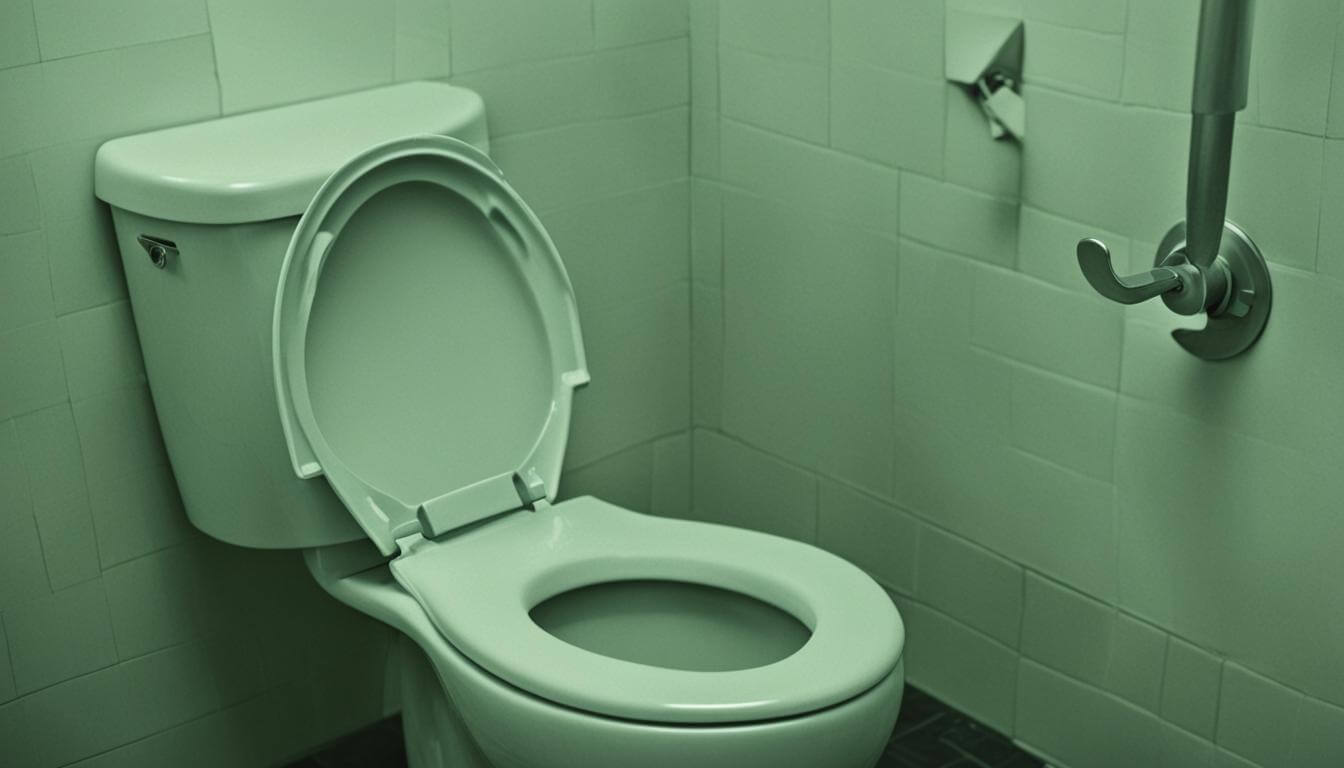
Solving the Mystery: Why Won’t My Toilet Flush? If you’re experiencing toilet troubles, you’re not alone. A toilet not flushing properly is a common and frustrating problem that many homeowners face. There are several reasons why your toilet may not be flushing correctly, from minor issues like a clogged drain to more serious problems with the toilet’s flush valve. In this guide, we’ll explore the most common reasons behind a toilet not flushing and provide solutions to help you troubleshoot and fix the problem. Key Takeaways: Several factors can cause a toilet not flushing properly, including clogged pipes, a faulty flapper valve, or low water pressure. It’s important to understand the basic components of a toilet flush before troubleshooting the problem. With the right knowledge and DIY fixes, many common toilet flushing issues can be resolved without the need for a plumber. Remember to always reach out to a professional if you’re unsure about performing any toilet repairs yourself. Solving the Mystery: Why Won’t My Toilet Flush? Understanding the Basics of Toilet Flushing If you’re dealing with toilet flushing issues, it’s important to know how the flushing mechanism and components work. Understanding the basics of toilet flushing will give you a solid foundation for troubleshooting. When you press the flush lever, it lifts the flapper in the tank, allowing water to flow from the tank into the bowl. The water creates a siphon effect, which pulls waste and water out of the bowl and into the drain pipes. The tank holds the water for flushing and refills with water after flushing, ready for the next use. The fill valve is responsible for refilling the tank with water. There are different types of flush systems: gravity, pressure-assisted, and vacuum-assisted. Gravity flush systems rely on the weight of the water to create the flushing action, while pressure-assisted flush systems use compressed air to force water into the bowl. Vacuum-assisted systems use air to create suction and move water out of the bowl and into the drain pipes. Proper functioning of each component is crucial to ensure that your toilet flushes effectively. If you’re facing issues with flushing, use this knowledge of toilet flushing mechanisms and components to diagnose the problem. Toilet Flushing Components Component Description Flush lever The handle on the toilet tank lifts the flapper to initiate the flushing process. Flapper valve A plug that fits over the flush valve opening to seal the tank and hold water in the tank until the flushing process begins. When the flush lever is lifted, the flapper valve moves up, allowing water to enter the bowl to remove waste and refill the bowl with fresh water. Fill valve The valve opens to refill the tank after flushing. Chain The mechanism that pulls the flapper valve up when the flush lever is pressed. Overflow tube The tube in the toilet tank prevents water from overflowing in the tank and channels excess water back into the bowl via the bowl’s trap. Understanding the basics of toilet flushing is crucial for troubleshooting toilet flushing problems and identifying faulty components. Use this section as a reference guide to familiarize yourself with the toilet flushing mechanism. Troubleshooting Toilet Flushing Issues toilet won’t flush problem: If you’re faced with a toilet that won’t flush, you’re not alone. There are several reasons why your toilet may not be flushing properly. The following troubleshooting steps will help you identify and fix the problem. Clogged Pipes A common cause of toilets not flushing is clogged pipes. If the water in the bowl is slowly draining, or there’s no water movement at all, it could be a sign of a clog. Start by using a plunger, making sure there’s enough water in the bowl to cover the plunger’s head. Plunge the toilet vigorously for several minutes, making sure to maintain the seal. If the clog is stubborn, try using a toilet auger to break it down. Faulty Flapper Valve If there’s water flowing continuously into the bowl, or the toilet doesn’t flush completely, it could be due to a faulty flapper valve. The flapper valve is responsible for holding water in the tank and releasing it into the bowl during flushing. If the valve is damaged or worn out, it can cause these issues. Check the valve for cracks or damage, and if necessary, replace it with a new one. Low Water Level in Tank If there’s not enough water in the tank, the toilet may not flush properly. Check the water level in the tank to ensure it’s full. If it’s not, adjust the valve to increase the water level. The water level should be approximately one inch below the overflow tube. Blocked Vent Stack The vent stack is responsible for allowing air to flow into the pipes, preventing water from being siphoned out of the toilet. If the vent stack is blocked, it can cause air pressure imbalances and prevent proper flushing. Use a plumbing snake to clear the vent stack, or call a professional plumber to take care of the issue. By following these troubleshooting methods, you should be able to identify and fix common toilet flushing problems on your own. If you’re still having issues, or you’re unsure about making repairs, seek the help of a professional plumber. DIY Fixes for Your Toilet Flushing Problems how to fix a toilet that won’t flush: Is your toilet not working properly? Here are some simple DIY solutions to fix a toilet that won’t flush: Adjust the Water Level in the Tank If the water level in your toilet tank is too low, it can prevent your toilet from flushing correctly. To fix this issue, adjust the float in your toilet tank to raise the water level. Alternatively, you can adjust the water valve to increase the water level in the tank. Clear a Clog A clogged toilet is a common reason why toilets won’t flush. You can try using a plunger to dislodge the clog. If the plunger doesn’t work, you
Read More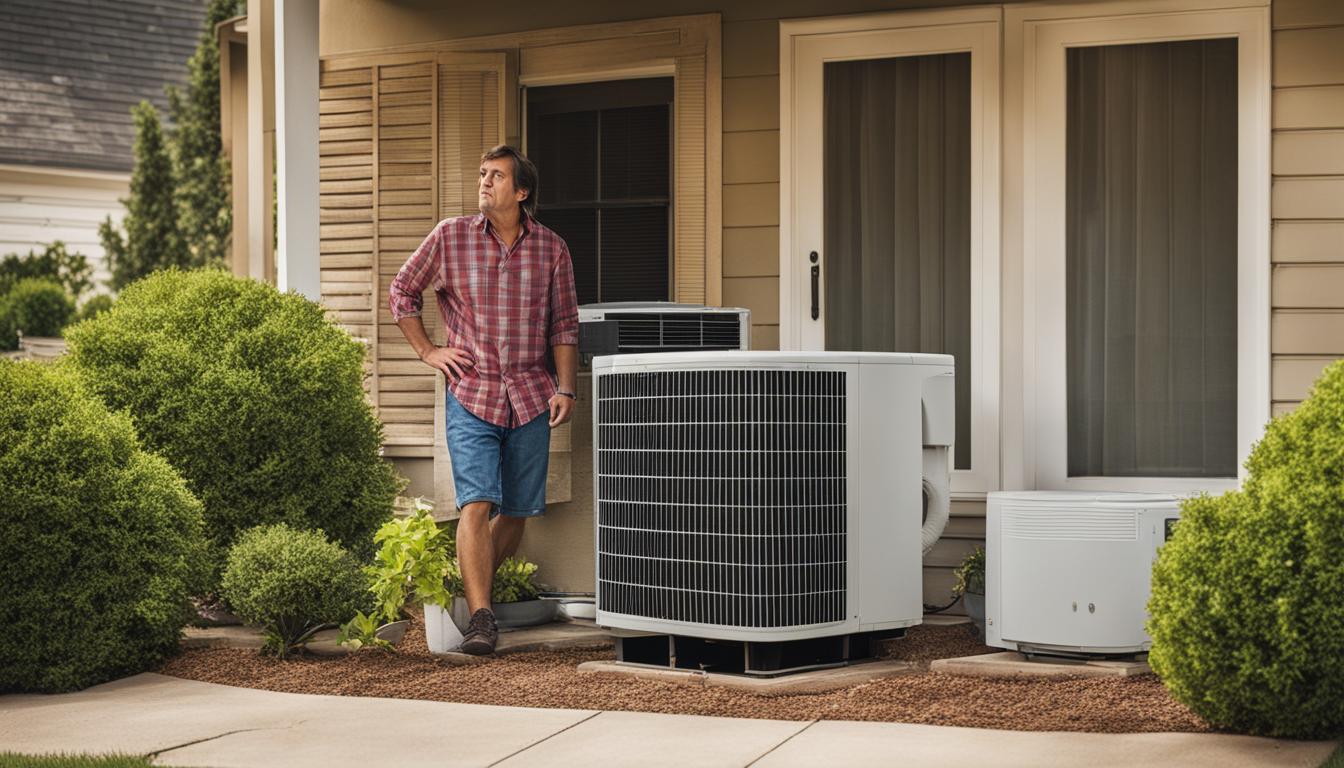
Uncover Hidden Costs: Is Your Old AC System Draining Your Wallet? When was the last time you evaluated your AC system? If it’s been a while, you may be unaware of the hidden costs associated with an old AC system that could be silently draining your wallet. An old AC system can significantly impact your utility bills, increase energy consumption, and contribute to frequent repairs and maintenance expenses. In this article, we will explore the negative effects of an old AC system and provide tips on reducing expenses. Key Takeaways An old AC system can result in hidden costs that you may not be aware of. Factors such as inefficient cooling, increased energy consumption, and frequent repairs can contribute to higher expenses. Regularly evaluating your AC system’s efficiency, performing proactive maintenance, and considering an upgrade to a more energy-efficient system can help reduce expenses. The Impact of an Aging AC System If you have an old AC system, you may be familiar with the feeling of opening your energy bill and discovering a surprisingly high cost. That’s because an aging AC system can have a significant impact on your expenses. First, inefficient cooling can cause your system to work harder and use more energy than necessary to achieve your desired temperature. This can result in increased energy consumption and higher bills. Comparison of Energy Consumption AC system age Energy consumption New (less than 5 years) 1000 kWh per year Old (more than 10 years) 1500 kWh per year Numbers are approximate and may vary depending on individual circumstances Additionally, old AC systems may require more frequent repairs, which can quickly add up in costs. In some cases, the expenses of maintaining and repairing the system can even surpass the cost of a new system altogether. Don’t let your old AC system drain your wallet. By upgrading to a more energy-efficient system, you can reduce your expenses and save money in the long run. Evaluating Your AC System’s Efficiency Assessing the efficiency of your AC system is essential to saving money on your home’s cooling expenses. Consider the following tips to evaluate your AC system’s efficiency and optimize performance: SEER Ratings SEER ratings, or Seasonal Energy Efficiency Ratio, measure the cooling output of an AC system relative to its energy consumption. A higher SEER rating signifies greater efficiency and potential savings over the long term. If your AC system has a low SEER rating, you may want to consider upgrading to a more efficient model. Maintenance Schedules Maintaining your AC system on a regular schedule can help to prevent potential breakdowns and extend the life of your system. Be sure to replace air filters at least every three months and schedule annual maintenance with a licensed professional to ensure optimal performance. Regular Inspections Regular inspections of your AC system can help to identify potential problems before they escalate into costly repairs. It is recommended to have your system inspected at least once a year by a licensed professional to pinpoint any inefficiencies or issues that may be impacting its performance. “By taking proactive measures to evaluate the efficiency of your AC system, you can reduce expenses and enjoy a more comfortable living space.” Hidden Maintenance and Repair Costs When it comes to controlling AC system expenses, maintenance and repair costs are often overlooked. Proactive maintenance can help you avoid costly repairs down the road. Neglecting necessary repairs can turn minor issues into major expenses. That is why it is important to schedule regular inspections with a qualified technician to keep your system running efficiently and catch potential problems early. Another hidden expense associated with old AC systems is the cost of replacement parts. Replacing parts on outdated equipment can be expensive due to their outdated technology, and finding the right parts can be a challenge. If your system is over ten years old and requires frequent repairs, it may be time to consider replacing it with a more energy-efficient model. It may seem like a significant expense upfront, but it will save you money on AC system costs in the long run. Don’t let hidden maintenance and repair costs drain your wallet. Schedule regular inspections, make necessary repairs a priority, and consider upgrading to an energy-efficient model to reduce your AC system expenses over time. Remember, proactive measures today can save you money tomorrow. Upgrading to an Energy-Efficient AC System Investing in a new, energy-efficient AC system can significantly reduce your expenses over time. While the initial cost may seem daunting, the long-term savings and benefits make it a worthwhile investment. Energy-efficient systems use less energy and work more efficiently than older models, resulting in lower utility bills and reduced maintenance costs. Additionally, these systems often come with advanced features such as smart thermostats that allow you to control your home’s temperature remotely, further reducing expenses. “Upgrading to an energy-efficient system can reduce your energy bills by up to 20%, and pay for itself in just a few years.” Furthermore, upgrading to an energy-efficient AC system can help reduce your carbon footprint, contributing to a healthier environment for you and future generations. The Math Behind the Savings Curious about the potential savings of upgrading your old AC system? Here’s a simple breakdown: Old AC System Energy-Efficient System Initial Cost $4,000 $5,500 Annual Energy Cost $1,200 $960 Annual Maintenance Cost $300 $150 Total Cost Over 10 Years $16,000 $14,500 In this scenario, the higher initial cost of the energy-efficient system is offset by the significant savings in annual energy and maintenance costs over ten years. The energy-efficient system ultimately comes out ahead, with a total cost of $1,500 less than the old AC system. Upgrading to an energy-efficient AC system is a smart choice for reducing expenses and improving your home’s comfort and sustainability. Conclusion Congratulations, you have learned about the hidden costs of old AC systems and how to reduce your AC system expenses. By understanding the negative impact of an aging AC system on your wallet, evaluating your
Read More