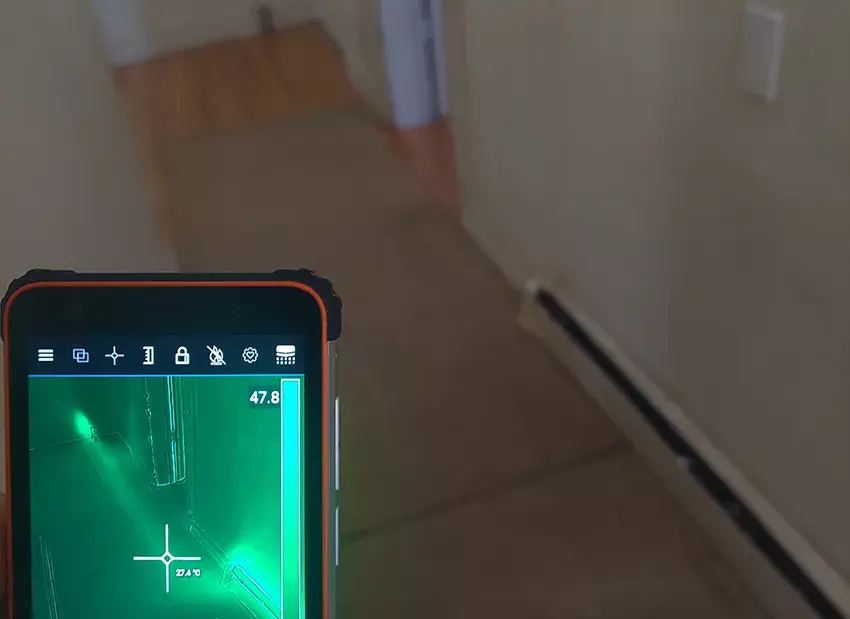
Leak Detection: Importance & Signs to Watch For Have you ever heard the sound of dripping water and wondered where it’s coming from? Or have you noticed a strange musty smell around your home, but can’t locate the source? These could be signs of water leaks. Water leaks can cause extensive damage to your home if left untreated. Not only can they ruin furniture and appliances, but they can also promote mold and mildew growth, which can lead to health problems. In this section, we will explore the importance of leak detection and highlight the crucial signs to watch out for to prevent costly damage to your home. Key Takeaways Water leaks can cause significant damage to your home and health. Timely leak detection is crucial to preventing costly repairs. Watch out for signs such as the sound of dripping water or musty smells. Ignoring water leaks can lead to mold and mildew growth. Promptly repairing water leaks can save you money and prevent further damage. Importance of Early Leak Detection Water leaks can cause significant damage to your home and lead to costly repairs if left unaddressed. That’s why it’s essential to prioritize water leak prevention and act promptly when leaks are detected. Early leak detection plays a vital role in preventing water damage, as even small leaks can cause extensive damage over time. Neglecting leaks can result in serious consequences, including: “Water damage to your home’s structure, furnishing, and personal items.” -National Flood Insurance Program Ignoring water leaks can also result in health risks from mold and mildew growth. Additionally, water leaks can increase your water bill and waste precious resources. That’s why it’s crucial to regularly check for signs of water leaks and take immediate action by calling for professional leak detection services if you suspect a problem. Effective Ways to Prevent Water Leaks Here are some simple measures you can take to prevent water leaks: Check your appliances, fixtures, and pipes for signs of damage or wear and tear regularly. Have a plumber inspect your pipes at least once a year, especially if you live in an older home. Install a leak detection system that will alert you to any leaks as soon as they occur. Ensure your home’s foundation is properly sealed and maintained. By taking these steps, you can reduce the risk of water leaks and avoid costly repairs in the future. Common Signs of Water Leaks Water leaks can cause severe damage to your home if left unattended. Knowing the signs of water leaks can help you identify the problem early and avoid potentially costly repairs. Here are some common signs to watch out for: Musty odors Visible water stains on walls and ceilings Peeling or bubbling paint or wallpaper Warping or buckling of floors, baseboards, or walls Dripping or hissing sounds from pipes An increase in your water bill without an explanation If you notice any of these signs in your home, it’s essential to take action immediately to prevent further damage. Ignoring water leaks can result in significant water damage and costly repairs. Note: Some water leaks may be hidden and difficult to detect. If you suspect a problem with your plumbing, it’s recommended to seek professional leak detection services to identify and locate hidden leaks. Methods for Water Leak Detection Water leaks can occur at any time, and detecting them early can save you from costly damages. Fortunately, various water leak detection methods exist. A simple way to check for water leaks is to turn off all taps and take a water meter reading. Check again after a few hours or overnight; if the meter reading has changed, you might leak. Another method is to check your water bill. If it has spiked in recent months, it could indicate a hidden water leak. You can also inspect your property for water damage or musty smells, which indicate water leaks. Damaged walls or floors, mold growth, or peeling paint can all be signs of water leaks. However, if you suspect a leak but cannot locate it, professional leak detection services may be necessary. These services use state-of-the-art equipment, such as infrared cameras and ultrasonic devices, to locate even hidden leaks. Why Fixing Water Leaks is Essential Ignoring water leaks can lead to significant water damage in your home, which can negatively impact your health and that of your loved ones. It’s essential to promptly fix any leaks to prevent expensive repairs and potential health risks. “One of the most common issues that homeowners face is water damage caused by leaky pipes. Water damage can lead to structural issues and mold growth, which can be a health hazard for you and your family.” According to HomeAdvisor, failing to address a water leak can cost an average of $2,386 in repairs. This amount can increase if the leak leads to flooding and structural damage. Taking quick action to fix water leaks can save you from unnecessary expenses and further damage to your property. Leaks can also lead to mold growth, which can cause respiratory problems and allergic reactions. Inhaling mold spores can be particularly dangerous for people with asthma, allergies, or weakened immune systems. Actively addressing water leaks is a crucial step in maintaining a safe and healthy living environment in your home. What can you do? If you notice any signs of water leaks, such as brown stains on ceilings and walls, musty odors, or an increase in your water bill, it’s important to take immediate action. You can start by identifying the source of the leak and fixing it yourself if it’s a minor issue. However, for more complex leaks, it’s recommended to seek the services of a professional leak detection and repair company. Remember, fixing water leaks promptly can save you from significant expenses and potential health problems. Don’t hesitate to take action if you notice any signs of a water leak in your home. Steps for Water Leak Repair If you have discovered a water leak in your
Read More
Time for an Upgrade? Replace Your Heating System When the temperature drops, you rely on your heating system to keep your home warm and comfortable. But how do you know when it’s time to upgrade? If you’ve been experiencing frequent breakdowns, rising energy bills, or uneven heat distribution, it may be time for a replacement. Upgrading to a newer, more efficient system can make a significant difference in the comfort and energy efficiency of your home. Key Takeaways Replacing your heating system can increase energy efficiency and reduce utility costs Signs that indicate it’s time to replace your heating system include frequent breakdowns and rising energy bills Important factors to consider when replacing your heating system include budget, system type, fuel source, and energy efficiency ratings Professional installation and ongoing maintenance are essential for optimal performance and preventing potential issues Consult with professionals to determine the best time for a replacement Signs it’s Time to Replace Your Home Heating System Is your home feeling chilly despite the thermostat being turned up? Are you hearing strange noises coming from your heating system? These could be signs of a failing heating system. If you’re wondering whether it’s time to replace your current heating system, there are a few key signs to look out for: Your heating system is more than 15 years old Your energy bills are increasing Your home isn’t as warm and cozy as it used to be You’re frequently having to repair your heating system Your heating system is emitting strange noises or smells If you’re experiencing any of these issues, it may be time to invest in a new heating system. Ignoring these warning signs could lead to further malfunctions or even a breakdown of your entire system. Replacing your heating system will not only provide increased comfort for your home, but it can also lead to significant energy savings in the long run. A new, energy-efficient system will use less energy and help reduce your monthly utility bills. Signs of a Failing Heating System | Sign | Description || — | — || Old Age | Your system is over 15 years old and has experienced frequent repairs || Higher Energy Bills | Your bill has been increasing despite no changes in usage || Uneven Heating | Some areas of your home are warmer or cooler than others || Frequent Repairs | You’re frequently calling for repairs || Strange Noises or Smells | Your system is emitting unusual noises or odors | Don’t wait until your heating system breaks down to replace it. Pay attention to warning signs, and invest in a new, efficient system for improved comfort and energy savings. Benefits of Replacing Your Heating System If you’re considering replacing your heating system, you’ll be glad to know that it comes with many benefits. Here’s how a new heating system can improve your home and lifestyle: Benefits Description Improved Energy Efficiency A new system will use less fuel and energy, making it more efficient and environmentally friendly. Reduced Utility Costs By using less energy, a new system can save you money on your monthly utility bills. Enhanced Indoor Air Quality Newer heating systems have better filtration systems that remove more pollutants and allergens from the air, improving your family’s health. Greater Overall Comfort A new heating system provides consistent heat that keeps your home comfortable all winter long. As you can see, replacing your heating system offers a variety of benefits for your home and lifestyle. Not only will it save you money on your utility bills, but it will also improve your indoor air quality and provide a more comfortable living space. Speak with a professional today to learn more about how replacing your heating system can benefit you and your family. Factors to Consider When Replacing Your Heating System When considering replacing your heating system, there are various factors to take into account to help you make an informed decision: Factor Considerations Budget What is your budget for a new heating system, including installation and ongoing maintenance costs? It’s important to consider the long-term costs of different options, as well as any potential energy savings. System Type What type of heating system will best suit your needs? There are various types, including furnaces, boilers, heat pumps, and ductless mini-splits. Each has its own benefits and drawbacks, depending on your specific requirements. Fuel Source What type of fuel do you want to use for your heating system? Natural gas, propane, oil, and electric are common options, and each has different costs and energy efficiency ratings. Consider what’s available in your area and what makes the most sense for your budget and lifestyle. Energy Efficiency Ratings What is the energy efficiency rating of your current system, and what level of efficiency do you want for your new system? A higher rating means greater energy savings but may come with a higher upfront cost. Look for systems with ENERGY STAR ratings to ensure optimal energy efficiency. By considering these factors, you can make an informed decision and select a heating system that meets your needs and budget while providing optimal comfort and energy efficiency. Understanding the Cost of Replacing Your Heating System When considering the replacement of your heating system, it’s important to budget for the associated costs. Several factors can influence the overall cost of a new system, including the type of system you choose, installation fees, and any additional upgrades or modifications required. The cost of a new heating system can vary widely based on the unit’s size, fuel source, and other features. On average, homeowners can expect to pay anywhere from $2,500 to $7,500 for a new heating system installation. If you’re replacing an older system or making extensive modifications to your existing system, it may be more expensive. Additionally, upgrading to a higher-efficiency unit may result in cost savings on your monthly utility bills over time. Comparing Heating System Costs System Type Average Cost Pros Cons Forced Air Furnace $2,500 – $5,500
Read More
Sink Replacement Dilemma: Find Your Perfect Match If you’re considering a sink replacement, you’re not alone. Many homeowners find themselves facing the sink replacement dilemma: how to choose the right type of sink that fits their needs. With so many options available, it can be overwhelming to figure out where to even begin. Fortunately, we’re here to help. In this section, we’ll break down the sink replacement process and guide how to choose the perfect sink for you. Key Takeaways Choosing the right type of sink is important for your needs. There are many different sink replacement options available. Installation is a crucial part of the process. Don’t be quick to replace your sink – sometimes, a simple fix is all you need. By following our guidance, you’ll be able to choose the perfect sink for your replacement project. Understanding Sink Options Replacement When it comes to sink replacement, there are many Sink Options Replacement options available to you. Understanding the different types of sinks and the materials they are made from is essential in making an informed decision. Types of Sinks There are various types of sinks to choose from, each with its unique features and benefits: Undermount Sinks: Installed under the countertop, these sinks are sleek and easy to clean but may require professional installation. Top-Mount Sinks: Also known as drop-in sinks, these are the most common type of sink and are easy to install but may be more challenging to clean. Farmhouse Sinks: These large, deep sinks are trendy and perfect for large families or those who cook often, but they may not fit in with all kitchen designs. Pedestal Sinks: These sinks are ideal for small spaces such as half bathrooms or powder rooms. They are mounted on a pedestal, freeing up floor space and creating a clean and modern look. Sink Materials The material your sink is made from can also impact its aesthetic and functionality. Some common sink materials include: Material Description Stainless Steel Durable, easy to clean, and resistant to heat and stains Cast Iron Heavy and durable, with a classic look, but may be prone to chipping and may require extra maintenance Porcelain Classic and easy to maintain, but may be prone to cracking and chipping Composite Made from a mix of materials, this sink type is durable and resistant to stains and scratches but may be expensive. By understanding sink replacement options such as types of sinks and sink materials, you’ll be able to choose wisely when replacing your sink. Consider your specific needs and style preferences when making your decision. Ensuring a Smooth Sink Installation Installing a new sink can be a daunting task, but with the right preparation and know-how, you can ensure a successful installation. Whether you’re replacing a kitchen sink or a bathroom sink, there are several important considerations you’ll need to keep in mind. Below, we’ve outlined some key tips and strategies for ensuring a smooth sink installation. Gather the Right Tools and Materials Before you get started, make sure you have all the necessary tools and materials on hand. This may include a wrench, screwdrivers, plumber’s putty, mounting hardware, and a new drain and faucet if needed. Check the installation instructions for your specific sink to ensure you have everything you need. Prepare the Sink Location Make sure the sink location is ready for installation. This may involve removing the old sink, ensuring the opening is the right size and shape for the new sink, and cleaning up any debris or old caulking. You may also need to install additional support brackets or mounting hardware to ensure the sink is secure. Follow Installation Instructions Carefully Once you’re ready to install the sink, it’s important to follow the manufacturer’s instructions carefully. This may involve attaching the mounting hardware, applying the plumber’s putty to the underside of the sink, and tightening bolts and connections as needed. Take your time and double-check all connections and fittings to ensure a secure and leak-free installation. If you’re unsure about any aspect of the installation process, don’t hesitate to seek advice from a professional plumber or contractor. “A successful sink installation begins with proper preparation and attention to detail.” Common Pitfalls to Avoid Even with careful planning and execution, there are a few common pitfalls to be aware of when installing a new sink. Avoid these mistakes to ensure a successful installation: Not ensuring a level installation, which can cause problems with drain and faucet connections Using too much plumber’s putty can cause the excess to squeeze out and create a messy installation Over-tightening bolts and connections, which can strip threads or damage plumbing components Not properly sealing around the sink edge with caulking, can allow water to seep under the sink Fixing Sink Problems: When Replacement Isn’t Necessary Are you experiencing issues with your sink? Before jumping to the conclusion that you need a full sink replacement, let’s explore some common sink problems and see if any simple fixes can save you time and money. Clogged Drain One of the most common sink problems is a clogged drain. Rather than reaching for harsh chemicals that can damage your pipes, try using a plunger or a drain snake to clear the blockage. If the clog is too severe, consider contacting a professional plumber for assistance. Leaky Faucet A leaky faucet not only wastes water but can also lead to water damage in your sink and surrounding areas. The problem is often caused by a worn-out washer or O-ring, which can be easily replaced. Alternatively, you can replace the entire faucet if it’s outdated or beyond repair. Water Pressure Issues Low water pressure can be frustrating when trying to rinse dishes or wash your hands. Check your shut-off valves to make sure they’re fully open and not partially closed. You can also remove your aerator to check for any blockages that may be hindering your water flow. Cracks or Chips If your sink has surface damage such as cracks or chips,
Read More