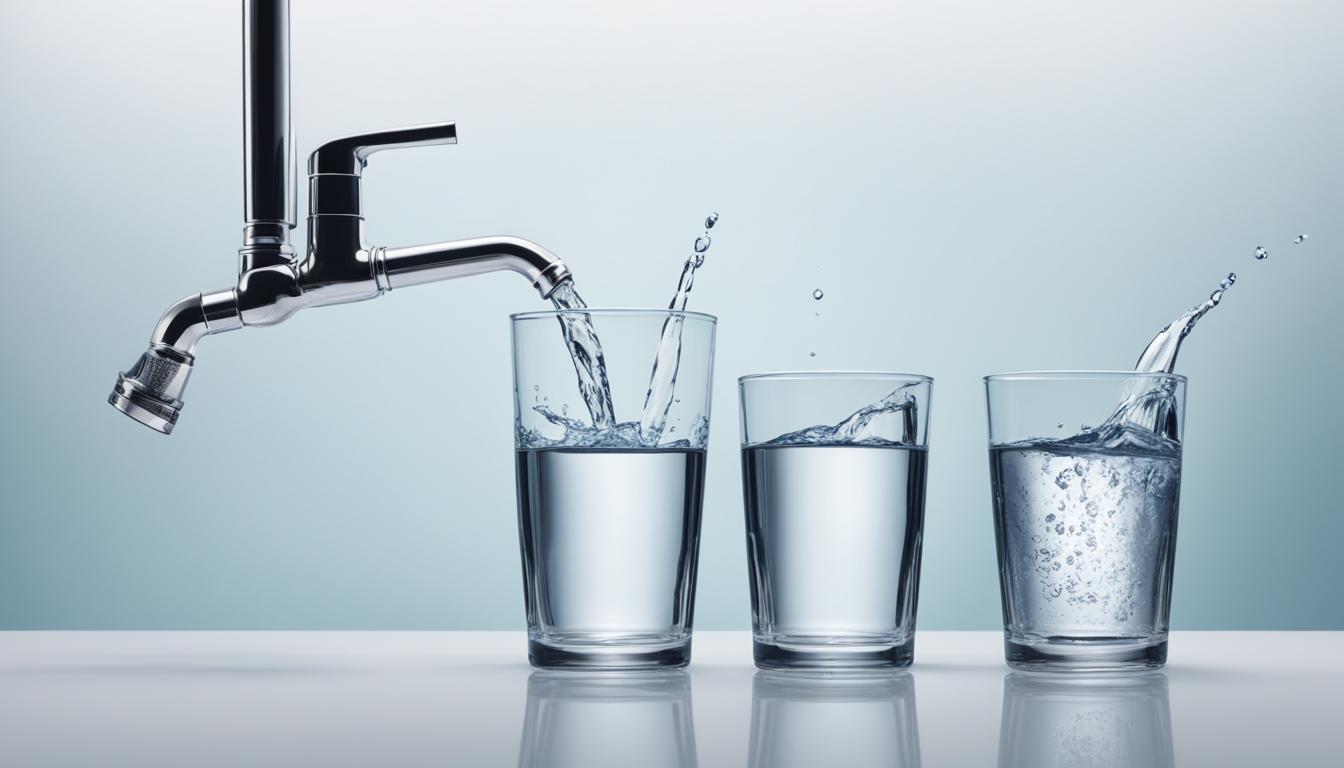
Lead-Free Living: Eliminating Lead from Your Drinking Water Welcome to the world of Lead-Free Living—where safe and pure drinking water is your priority. The quality of drinking water plays a crucial role in determining our overall health and well-being. Unfortunately, lead contamination in drinking water is a prevalent problem in the United States, posing a severe threat to public health. Eliminating lead from your drinking water is, therefore, essential to ensure a healthy and safe lifestyle for you and your family. In this section, we’ll explore the importance of lead-free living and provide you with tips and information on how to eliminate lead from your drinking water. We’ll discuss the potential risks of lead contamination, how it can impact your health, and steps you can take to ensure your drinking water is lead-free. Key Takeaways Lead contamination in drinking water is a severe issue that poses a risk to public health. Eliminating lead from your drinking water is essential for ensuring a healthy and safe lifestyle. In this section, we will discuss the potential risks of lead contamination and how to eliminate it from your drinking water. Understanding Lead Contamination in Drinking Water If you thought lead contamination in drinking water was a thing of the past, think again. Lead can still be found in the water supply of many homes across the country, posing a significant health risk to households. Lead contamination occurs when the water supply comes into contact with pipes and plumbing materials that contain lead. This can happen in older homes with lead pipes or newer homes with lead solder holding the pipes together. Lead can also leach into drinking water from fixtures and faucets that contain lead. Exposure to lead can lead to various health effects, especially in young children. Over time, lead poisoning can cause developmental delays, learning difficulties, and behavior problems in children. However lead exposure can also affect adults, leading to high blood pressure, kidney damage, and other health issues. That’s why it’s crucial to ensure your drinking water is lead-free to protect your health and the health of your family. Regular testing of your water can help identify any lead contamination, and taking steps to remove lead from your drinking water can help you maintain water purity and safety. If you suspect that your drinking water may be contaminated with lead, it’s essential to take action. In the next section, we’ll guide you on how to assess the quality of your drinking water. Assessing Your Water Quality Ensuring the purity of your drinking water is crucial for maintaining a healthy lifestyle. Conducting a thorough evaluation of your water source is the first step to assess the quality of your drinking water and determine if it is contaminated with lead. The most effective way to evaluate the quality of your drinking water is to perform a water test. This test will help identify any contaminants, including lead, in your water source. You can purchase a water testing kit from a local hardware store, or you can contact a professional testing company for a comprehensive analysis. Did You Know? Even if your water supply is generally safe, it does not necessarily mean that it is free from lead contamination. Lead can leach into water from old pipes and plumbing fixtures, which can potentially put your health at risk. Keep in mind that different types of tests can be performed to evaluate different aspects of your water quality. Some common tests include: Test Type Description pH Test Measures the acidity or alkalinity of your water. Hardness Test Indicates the amount of minerals present in your water. Lead Test Identifies the presence of lead in your water. Conducting a thorough evaluation of your water quality can help you identify any issues and take necessary steps to remove lead contamination from your drinking water. Removing Lead from Your Drinking Water If you’ve discovered that your drinking water is contaminated with lead, there are several methods you can use to remove it. One of the most effective ways is to use lead-free filters. These filters are specifically designed to remove lead and other harmful contaminants from your water, ensuring that it is safe to drink. Look for filters that are labeled as “NSF-certified” and “lead-free” to ensure that they meet rigorous safety standards. Another option for lead removal is to use a water treatment system. These systems work by removing lead and other impurities from your water through a series of filters and chemical treatments. While they can be more expensive than filters, they may be necessary in situations where lead levels are especially high. There are also several alternative methods for removing lead from your drinking water. Distillation is a process that involves boiling water to create steam, which is then captured and condensed into a separate container. This process removes impurities, including lead, from your water. Reverse osmosis is another method that uses a membrane to filter out contaminants like lead. Pro Tip: Don’t forget to replace your filters and maintain your water treatment system regularly to ensure that they continue to work effectively. Comparing Lead Removal Methods Method Benefits Drawbacks Lead-free filters Easy to install and use, affordable May need frequent filter replacements, and may not remove all impurities besides lead Water treatment systems Effective at removing lead and other impurities, long-lasting Expensive, and may require professional installation and maintenance Distillation Removes impurities besides lead, easy to use Can be time-consuming, and may require special equipment Reverse osmosis Effective at removing lead and other impurities May wastewater, can be expensive When choosing a lead removal method, consider your budget, the level of lead contamination in your water, and the other impurities you may need to remove. Consult with a professional if you are unsure which method is best for your situation. By taking steps to remove lead from your drinking water, you can protect yourself and your loved ones from the harmful effects of lead exposure. Prioritize safe drinking water by exploring lead-free
Read More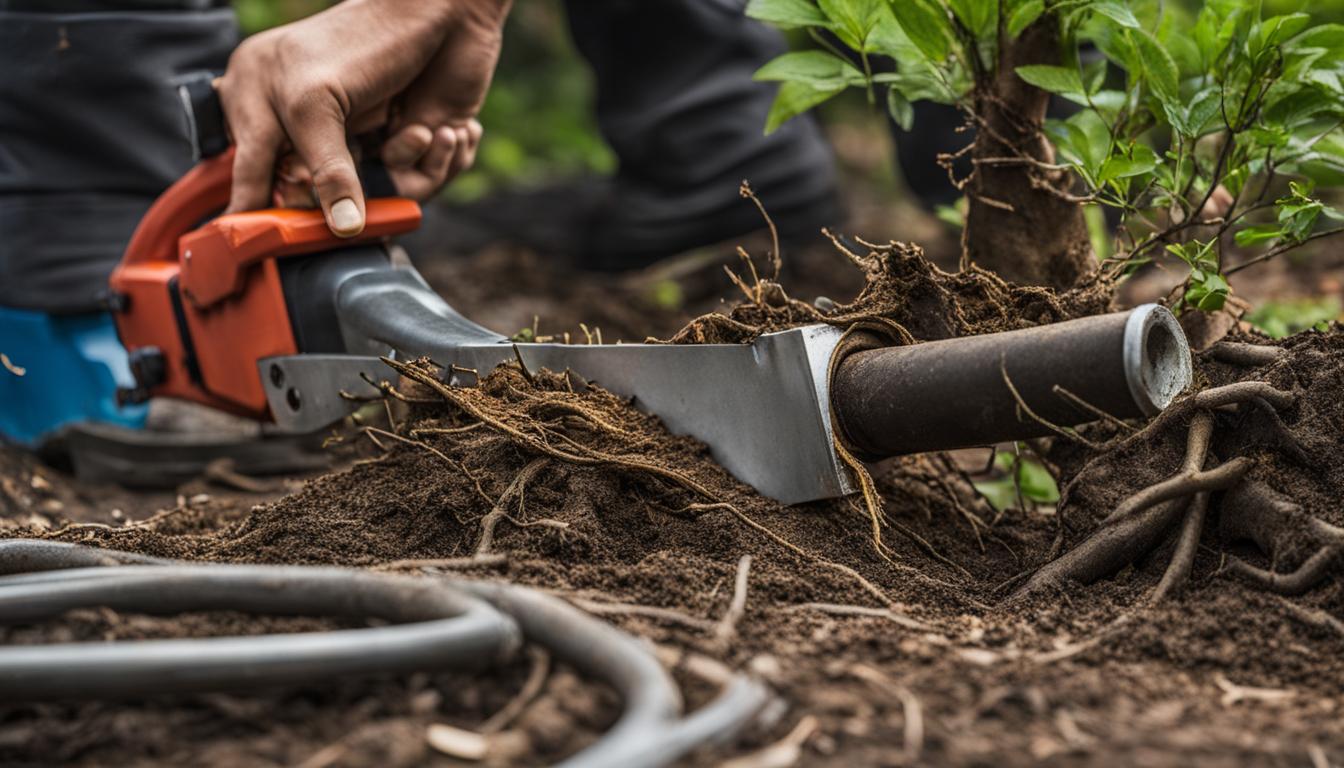
Tree Roots in Drains: Solve This Plumbing Woe Are you facing issues with your plumbing system due to clogged drains? If yes, then the culprit might be the tree roots invading your pipes. Tree root intrusion is a common problem that often leads to blocked drains and significant plumbing issues. But, don’t worry, you can effectively tackle this problem with the right knowledge and techniques. In this section, we will provide you with practical solutions to address this plumbing issue. You will discover effective ways to prevent tree roots from clogging your drains and learn how to keep your plumbing system flowing smoothly. Key Takeaways Tree roots in drains can cause significant plumbing issues. Prevention is key to protecting your plumbing system. Regular maintenance of your pipes and drains can help prevent tree root intrusion. Identifying and addressing the signs of tree roots in your pipes can prevent further damage. When dealing with tree root intrusion, it’s best to call a professional for assistance. Understanding Tree Root Intrusion Tree root intrusion is a common cause of drain blockage and can lead to serious plumbing issues if not addressed promptly. Roots typically grow towards drains as they search for sources of water and nutrients, causing damage to pipes and leading to blockages that hinder proper water flow. When it comes to tree root intrusion, there are several common causes that you should be aware of: Causes of Tree Root Intrusion Description Lack of maintenance Untrimmed trees with overgrown roots can easily infiltrate drainage systems. Old pipes Fragile and aging pipes can crack or break, allowing roots to invade. Leaking pipes Leaking pipes can release moisture and attract roots to grow towards them. Poor installation Improper installation can create gaps and openings where roots can penetrate. Now that you understand the common causes of tree root intrusion in drains, it’s important to know how to identify the signs of drain blockage due to roots. In the next section, we will explore these signs in greater detail. Signs of Tree Roots in Your Drains how to deal with tree roots in drains: Are you experiencing slow drainage or gurgling sounds coming from your pipes? These could be potential signs of tree roots in your drains. Tree roots invade drains seeking water and can cause severe blockages, which could result in expensive repairs if left untreated. If you notice any of the following signs, it’s best to call a plumbing professional right away: Slow drainage in sinks or bathtubs Gurgling sounds coming from your pipes Inconsistent water levels in your toilet bowl Bad odors coming from your drains Don’t ignore these signs. Prompt action can avoid costly, time-consuming repairs and prevent further damage to your plumbing system in the long run. You can’t always predict when your plumbing system will run into tree root intrusion, but you can keep an eye out for the warning signs. Don’t hesitate to call a plumbing professional to ensure the integrity of your plumbing infrastructure. Preventing Tree Roots from Clogging Drains Preventing tree roots from clogging your drains is crucial to maintaining a functioning plumbing system in your home. By taking proactive measures and root-proofing your drains, you can prevent costly plumbing issues down the line. Here are some steps to help you root-proof your drains: Choose the right plantings: When planting trees or shrubs near your house, choose slow-growing, shallow-rooted species to reduce the chances of roots infiltrating your drains. Install a root barrier: Consider installing a root barrier system that will prevent roots from penetrating your drainage pipes. These barriers work as a physical deterrent, making it difficult for roots to infiltrate your plumbing system. Regular maintenance: Regularly maintaining your plumbing system is crucial to preventing root intrusion. Consider hiring a professional plumber to inspect your pipes and remove any debris or tree roots within them. By following these steps, you can significantly reduce the chances of tree roots causing blockages in your drains. Comparison of Root Barrier Systems Root Barrier System Price Installation Method Effectiveness Plastic root barriers $3-$4 per linear foot Installed directly into the soil around your plumbing system. Highly effective Chemical root barriers $50-$100 per treatment Pour into your plumbing system through a cleanout port. Moderately effective Metal barriers $10-$15 per linear foot Installed by excavation around your plumbing system. Highly effective Choose a root barrier system that fits your budget and effectively prevents root intrusion in your plumbing system. Clearing Tree Roots from Drains tips to clear tree roots from drains: Tree roots in drains can be a real headache, causing blockages and plumbing issues that can be difficult to address. If you’re dealing with tree root intrusion in your drains, the good news is that there are several effective methods for tree root removal in drainage systems. Here are some tips to help you clear tree roots from your drains, and steps to root-proof your drains: 1. Mechanical Removal One way to clear tree roots from your drains is through mechanical removal. This involves using specialized tools such as root cutters, drain snakes, and water jets to cut away and remove the roots. While this method can be effective, it’s important to note that it can also cause damage to your pipes if not done correctly. As such, it’s recommended to hire a professional plumber to assist with mechanical removal. 2. Chemical Treatment Another option to consider is chemical treatment. This involves using specially formulated chemicals that can dissolve the tree roots and clear your drains. While this can be an effective method, it’s important to use caution and only use chemicals that are safe for your plumbing system. Be sure to read the labels carefully and follow all instructions when using chemical treatments. 3. Hydro Jetting Hydrojetting is yet another effective method for clearing tree roots from your drains. This method involves using a high-pressure water jet to blast away the roots and clear the pipes. It’s a safe and highly effective method, but it’s important to hire
Read More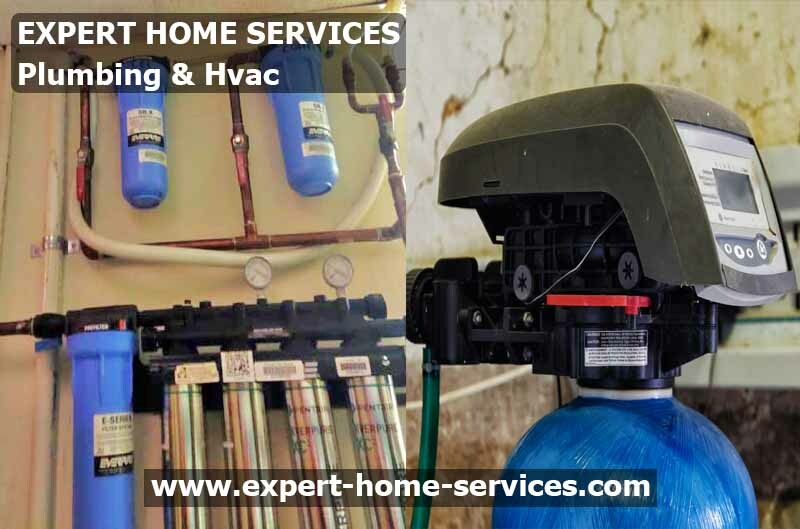
Water Conditioner Essentials: Improving Water Quality in Your Home Are you concerned about the quality of water in your home? You are not alone! Many homeowners struggle with water quality issues, from hard water to high levels of contaminants. Thankfully, water conditioners can help you overcome these challenges and provide you and your family with cleaner, healthier water. In this section, we will explore the essential aspects of water conditioners, including how they can improve the water quality in your home and the different treatment options available. Key Takeaways: Water conditioners are crucial for improving the water quality in your home Effective home water treatment can help you achieve cleaner and healthier water There are various water treatment options available, including water conditioners, filtration systems, and purification methods When choosing a water treatment solution for your home, consider your specific needs and budget Regular maintenance is essential for ensuring optimal water quality and system performance Understanding Water Softener Benefits If you’re looking for an effective way to improve the quality of water in your home, then a water softener is a must-have. These devices remove hard minerals from your water supply, such as calcium and magnesium, which can cause damage to your plumbing and fixtures over time. With a water softener, you can enjoy a range of benefits that will improve your everyday life: Softer skin and hair: Hard water can cause dry, itchy skin and brittle hair. By removing the hard minerals, a water softener can help keep your skin and hair feeling soft and moisturized. Longer-lasting appliances: When hard water is heated in your appliances, it can leave mineral deposits that can lead to damage and wear over time. Soft water eliminates this problem, helping your appliances last longer and work more efficiently. Cleaner dishes and laundry: Hard water can prevent soap and detergent from lathering properly, leaving behind spots and stains on your dishes and clothes. Soft water ensures that your soap and detergent work more effectively, leaving your dishes and laundry clean and bright. Money savings: By improving the efficiency of your appliances and reducing the amount of cleaning products you need, a water softener can save you money in the long run. Understanding the benefits of a water softener will demonstrate the potential impact soft water can have on your overall quality of life. If you’re considering a water softener, consult with a professional to find the right system for your home. Exploring Water Filtration Systems To ensure that your household water is free from impurities, many homeowners turn to water filtration systems. These systems come in a range of types and sizes, from small units that fit under a sink to whole-house systems. Different types of filters are used to remove specific contaminants and impurities found in water, including sediment, chlorine, and lead. Carbon filters are a popular choice for homeowners as they can effectively remove impurities and odors from water. They use activated carbon to absorb impurities and contaminants, and they’re available in different forms, including pitcher filters, faucet filters, and whole-house filters. They are affordable, low maintenance, and can significantly improve the taste and odor of your water. Reverse osmosis systems, also known as RO systems, are ideal for those who need a more comprehensive water treatment solution. They use a multi-stage filtration process to reduce impurities and contaminants like lead, arsenic, and fluoride. RO systems often come with an additional activated carbon filter to improve the taste of water. These types of systems require professional installation and regular maintenance, but they’re highly effective in removing impurities. Ultraviolet (UV) light systems use UV radiation to destroy bacteria, viruses, and other impurities in water. They’re effective in controlling microorganisms in water and can be used alongside other filtration systems for an additional layer of protection. UV systems are easy to install and require minimal maintenance, making them a popular choice for homeowners looking for a low-maintenance water treatment solution. “Water filtration systems can make a big difference in the quality of water in your home and enhance the taste of beverages that you consume daily.” Finally, ceramic filters use a porous ceramic material to filter impurities and contaminants from water. They’re commonly used in conjunction with carbon filters and can effectively remove sediment, bacteria, and parasites from water. Ceramic filters are ideal for rural and remote areas where access to clean water is limited, and they’re relatively low maintenance. When choosing a water filtration system, consider the type of impurities you want to remove, the system’s maintenance requirements, and the system’s cost. Remember that regular maintenance is critical to the effectiveness of these systems. The Benefits of Water Filtration Systems Water filtration systems can make a big difference in the quality of water in your home and enhance the taste of beverages that you consume daily. By effectively removing impurities and contaminants from your water, filtration systems can help to improve the overall health and well-being of your family. Benefits of Water Filtration Systems Healthier Water Removes harmful contaminants and impurities like lead, microorganisms, and chemicals that can cause illnesses. Better Tasting Water Removes unpleasant tastes and odors from water, making it more enjoyable to drink and use in food preparation Cost-Effective Compared to buying bottled water, water filtration systems are a cost-effective alternative, as they can provide clean, refreshing water straight from your tap. Reduce Environmental Impact By eliminating the need to buy and dispose of bottled water, water filtration systems can help reduce plastic waste and minimize your carbon footprint. Improves appliance lifespan Filtered water reduces mineral buildup and scales which can extend the lifespan of your appliances like coffee machines and dishwashers. Unveiling Water Purification Methods If you are looking for a comprehensive solution to improve your home’s water quality, you may consider water purification methods. These methods aim to remove impurities and contaminants from your water supply, providing cleaner and safer water. There are various water purification methods available, each with its own set of advantages and
Read More