
Lead-Free Living: Safeguard Your Drinking Water Welcome to our guide on lead-free living! Did you know that lead contamination in drinking water is a serious health risk? Lead can enter your water supply through old pipes and fixtures, and even low levels of exposure can cause long-term health damage. That’s why it’s essential to eliminate lead from your drinking water and adopt a lead-free lifestyle. In this section, we will explore the importance of lead-free living and how it can help safeguard your family’s health. We will discuss the risks associated with lead contamination in drinking water and introduce effective methods for eliminating lead from your water supply. Key Takeaways: Lead contamination in drinking water can pose a serious health risk Eliminating lead from your water supply is essential for a lead-free lifestyle Effective methods for lead removal include using lead-free water filters and adopting a comprehensive lead-free lifestyle Regular water testing can help ensure long-term lead-free living Becoming informed about lead regulations and news can help you maintain a lead-free environment for your family’s well-being. Understanding Lead Contamination in Drinking Water Drinking water is essential for life. However, not all water sources are safe to drink. Water contamination, specifically lead contamination, can pose a significant threat to your health. It is crucial to understand the sources of lead contamination in drinking water to protect your family from potential health risks. Lead contamination can occur from various sources, including: Source of Lead Contamination Description Corroded pipes and plumbing fixtures Lead can leach into drinking water as it passes through corroded pipes and plumbing fixtures, especially in older homes with lead pipes and solder Lead service lines Lead service lines connecting homes to water mains can also contaminate drinking water Environmental factors Lead can enter drinking water through environmental contamination, such as mining and manufacturing activities Once in the body, lead can cause a variety of health problems, including: Damage to the brain and nervous system Reduced IQ and learning difficulties in children Anemia Hypertension Reproductive problems Kidney damage It is essential to ensure safe drinking water for your family to prevent these potential health consequences. Implementing lead-free solutions, such as using lead-free water filters and adopting a lead-free lifestyle, can help eliminate the risk of lead contamination in your water supply. Investing in a lead-free water filter is an excellent place to start to ensure your drinking water is safe. Choosing the right lead-free water filter is essential to ensure maximum effectiveness in eliminating lead from your water supply. We will discuss more about lead-free water filters and how to choose the right one in the upcoming section. Assessing Your Water Quality If you’re concerned about water contamination, it’s crucial to assess your water quality to ensure safe drinking water for you and your loved ones. Here are some common signs that suggest your water might be contaminated: Unpleasant odor or taste. Discolored water. Stains or discoloration on your bathtub, sink, or toilet. Rust-colored stains on laundry or dishes. Corrosion or buildup on plumbing fixtures. To test for lead contamination, you can purchase a water testing kit online or from a hardware store. Alternatively, you can contact a professional water testing service to assess your water quality. These tests typically involve collecting a sample of your drinking water and sending it to a laboratory for analysis. This will help you identify whether your water is at risk of lead contamination. How to Collect a Water Sample Collecting a water sample is an essential step in assessing your water quality. Here’s how to do it: Begin by thoroughly cleaning a faucet with soap and water. Rinse the faucet with hot water for a few minutes. Run the water for 30-60 seconds to flush out any standing water from your pipes. Collect a sample of cold water in a sterile container, making sure not to touch the inside of the container with your hands. Label the container with the date, time, and location of the sample. Send the sample to a laboratory for analysis. Regularly testing your water can help you ensure the safety of your drinking water. In case of lead contamination, it’s crucial to take immediate action to eliminate the lead from your water supply. The next section will discuss effective lead-free solutions for your drinking water. Lead-Free Solutions for Your Drinking Water When it comes to lead contamination in your drinking water, prevention is key. In this section, we will explore effective lead-free solutions for your water supply to ensure the safety of your family. Benefits of Using Lead-Free Water Filters Water filters are an excellent solution to remove lead and other impurities from your drinking water. They are affordable, easily accessible, and can significantly improve the quality of your water. Choosing the right water filter is essential for effective lead removal and ensuring safe drinking water for your family. Alternative Methods for Lead Removal In addition to using water filters, there are other methods to remove lead from your water supply. Boiling your water can be effective, but it is time-consuming and may not remove all contaminants. Another option is to use a reverse osmosis system, which can remove up to 95% of lead in your water. Adopting a Lead-Free Lifestyle While using water filters and finding alternative methods for lead removal is essential, adopting a lead-free lifestyle can significantly decrease your exposure to lead. Avoiding lead-based paints, cosmetics, and other products can help minimize your risk of lead exposure. Tip: Check product labels for any indication of lead content and avoid using them. Table 1 below summarizes the main features of different lead-free solutions for your water supply. Lead-Free Solution Pros Cons Water Filters Effective in removing lead and impurities, affordable, and easily accessible. Require regular maintenance and replacement, may not remove all contaminants. Boiling Water Effective in killing bacteria and viruses, easy to do without additional equipment. Time-consuming, may not remove all contaminants, and can affect the taste of water. Reverse Osmosis Systems Highly effective
Read More
Locating Septic Tanks: A Handy Property Guide Knowing how to locate your septic tank location is an essential aspect of owning a property. Whether it’s for maintenance, repairs, or general knowledge, understanding finding septic tanks can save you time, money, and headaches in the long run. In this comprehensive guide, we will help you find your septic tank using easy-to-follow steps and tips. Before we dive into the different methods for septic tank search, it’s important to understand how septic systems work and where they’re typically located on properties. Knowing this information can aid in narrowing down the search for your septic tank. Key Takeaways Familiarize yourself with your property’s layout to estimate the likely location of your septic tank. Search for visual indicators like access panels or depressions in the soil to narrow down the septic tank’s location. If you cannot locate your septic tank, consult professional assistance. Knowing the location of your septic tank is essential for its maintenance and care. Refer back to this guide whenever you need assistance or if you’re moving to a new property. Understanding Septic Systems and Their Locations Before you start looking for your septic system location, it’s crucial to comprehend the basics of septic systems and where they’re commonly situated on a property. Septic systems function by managing household waste and wastewater, with the help of several essential components such as the septic tank, drain field, and distribution box. The septic tank is the primary component of the system, which receives all the waste and separates solid materials from the wastewater. The wastewater then exits the septic tank and enters the drain field, where it is absorbed into the soil. locating septic tanks on property can vary, depending on your property’s layout and regulations. It can be situated underground, near the side of your home, or in the backyard. A drainage or wastewater plan from the previous property owner can help determine where your septic system is located. However, If you don’t have one, don’t worry; there are other ways to find it. Some common clues comprise of the septic tank and plumbing access hatches, which may be visible on the surface. It would be beneficial to note that septic systems must be within a property’s boundaries and never positioned beneath a building. You may also find borns, which are mounds of dirt that indicate the presence of a septic system below the ground. Understanding the fundamentals of septic systems might prove beneficial in locating your septic tank. Methods for Locating Your Septic Tank Now that you have a good understanding of septic systems and their general locations, it’s time to explore different methods for how to find septic tanks. When searching for septic tanks, it’s important to be as thorough as possible. Here are some techniques: Using Property Records One method for finding your septic tank is through property records. You may be able to access records through your local county government office or online. Look for the “as-built” records, which typically include the location and layout of the septic system. However, if your property is older or has changed ownership many times, these records may not be reliable or available. Searching for Visual Indicators Another method is to look for visual indicators on your property. These indicators can vary depending on the layout of your property and the type of septic system you have. For example, some septic systems have a raised mound, while others have a grassy cover. Check for vegetation patterns, low spots, and access points, such as cleanouts and vents. Professional Assistance If all else fails, consider hiring a professional to locate your septic tank. Trained professionals have specialized equipment, such as probes and cameras, to locate your septic system quickly and accurately. Additionally, they can provide recommendations for maintenance and repairs. Remember, finding your septic tank is important for its maintenance and care. By following these methods, you can successfully locate your septic tank and ensure that it’s functioning properly. Visual Clues and Indicators Sometimes, locating a septic tank can be as simple as looking for visual clues and indicators on your property. Identifying these visual cues can save you time and money when searching for your septic tank. Below, we’ve compiled a list of common signs to help you in your search. Vegetation Patterns One way to locate a septic tank is by observing the vegetation patterns on your property. Grass, for instance, may grow particularly well in the area above the tank, as it is being fertilized by the wastewater. Alternatively, the presence of dead or patchy grass could indicate the opposite and point towards the location of the tank. Access Points If your septic tank is relatively modern, it may have one or more access points on the ground level. These access points are typically located within a few feet of the tank and are used for maintenance and pumping activities. Look for circular or rectangular caps made of plastic or concrete that are flush with the ground. Unusual Landscaping Features Septic tanks can be situated beneath unique landscaping features such as ornamental rocks, pavers, or garden beds. If you have any unusual landscaping features on your property, they might be hiding access to the septic tank. Odors Odors are one of the most definitive clues to identifying a septic tank. While septic tanks should be relatively odorless when functioning correctly, a persistent, foul smell in a particular area could indicate that the tank is not functioning correctly or requires maintenance. Keep these visual clues and indicators in mind while locating your septic tank. Sometimes, they can be an invaluable help in your search. If you are still unsure about the location of your septic tank, consider seeking professional assistance as they will have the tools and expertise to help you locate it. Conclusion Now that you have the knowledge and tools to locate your septic tank, you can confidently take care of your septic system and avoid potential issues. Remember,
Read More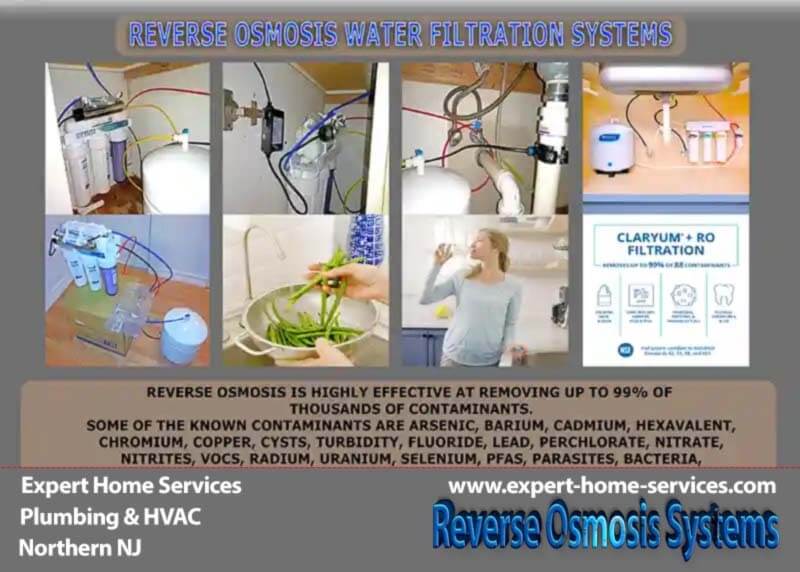
Filtration Facts: Exploring Types of Water Filtration and Their Pros and Cons When it comes to clean drinking water, it is essential to understand the different types of water filtration systems available. With the increasing concerns over water quality, investing in a reliable water filtration system is a smart choice. Whether you live in an area with poor water quality or want to ensure that your family is drinking clean and safe water, knowing about different water filtration methods is crucial. In this section, we’ll take a closer look at the types of water filtration systems, their pros and cons, and why investing in a water filtration system is essential for your health. By the end of this section, you’ll have a better understanding of how different water filtration methods work and how to choose the right water filter for your home. Key Takeaways Different types of water filtration systems have their specific advantages and disadvantages, making it essential to evaluate your unique needs before choosing a system. Water filtration is essential for your health and well-being as it removes harmful substances, such as lead, chlorine, and bacteria, from your drinking water. Factors such as effectiveness, maintenance, initial costs, and ongoing expenses should be considered when choosing the right water filtration system for your home. Popular types of water filtration methods include activated carbon filters, reverse osmosis systems, and UV filters. Choosing an appropriate water filtration system requires a comparison of different systems, evaluating your needs, and understanding relevant certifications and standards. Importance of Water Filtration Water is essential for life. But, did you know that the quality of your drinking water can directly impact your health and well-being? Contaminants, such as microorganisms, heavy metals, and chemicals, can be present in your drinking water, which may pose health risks to you and your family. Water filtration plays a crucial role in removing harmful pollutants and maintaining clean, safe drinking water. Investing in a reliable water filtration system can provide numerous benefits. Not only does it improve the quality of your water, but it can also enhance the taste and odor, making it more enjoyable to drink. Moreover, water filtration offers a cost-effective and environmentally friendly alternative to buying bottled water, which creates unnecessary waste and poses additional costs. Therefore, understanding the importance of water filtration can help you prioritize finding the right system for your home. Protect your health and invest in a high-quality water filtration system today. Different Types of Water Filtration When it comes to choosing a Type of Water Filtration, there are several options available in the market. Here are some of the most common filtration methods: Activated Carbon Filters Activated carbon filters work by attracting and absorbing impurities such as chlorine, chemicals, and sediments from the water. This leads to a significant improvement in the taste and odor of the water. However, these filters are not effective in removing bacteria, viruses, or minerals from the water. Reverse Osmosis Systems Reverse osmosis systems use a semi-permeable membrane to remove impurities from the water. This filtration method is effective in removing up to 99% of contaminants, including bacteria, viruses, pesticides, and minerals. However, the initial cost of installation and maintenance of these systems can be expensive. UV Filters UV filters use ultraviolet light to kill bacteria and viruses in the water. These filters are effective in removing harmful bacteria, viruses, and other microorganisms. However, they are not effective in removing minerals or chemicals from the water. Table Comparison Filtration Method Removes Advantages Disadvantages Activated Carbon Filters Chlorine, Chemicals, Sediments Improves the taste and odor of the water Not effective in removing bacteria, viruses, or minerals Reverse Osmosis Systems Bacteria, Viruses, Pesticides, Minerals Removes up to 99% of contaminants Expensive initial cost and maintenance UV Filters Bacteria, Viruses, Microorganisms Effective in removing harmful bacteria and viruses Not effective in removing minerals or chemicals By understanding the benefits and limitations of each water filter type, you can make an informed decision that best suits your needs and budget. Water Filtration Pros and Cons When deciding on a water filtration system, it’s crucial to assess the pros and cons of each method. Consider the following factors to make an informed decision: Effectiveness Some filtration methods are more effective than others. For example, reverse osmosis systems and distillation generally produce the cleanest water, while activated carbon filters are better at removing certain types of contaminants. Maintenance Every filtration method has unique maintenance requirements. Some systems require frequent filter replacements, while others may need only occasional cleaning. Be sure to factor in ongoing maintenance expenses when considering the cost of a filtration system. Initial Costs The initial cost of a filtration system can vary significantly depending on the method you choose. While some options may be cheaper upfront, they may not be as effective in the long run. Consider your budget and the ongoing costs of maintenance before making a decision. Ongoing Expenses In addition to maintenance costs, some filtration methods may result in higher ongoing expenses. For example, reverse osmosis systems waste a considerable amount of water, which can increase your water bill. Keep in mind that while no filtration method is perfect, any filtration is better than none at all. By understanding the advantages and disadvantages of each method, you can choose a water filtration system that meets your needs and budget. Take the time to evaluate your options to ensure you make the best decision for you and your family. Choosing the Right Water Filter When it comes to choosing the right water filter for your home, there are a few crucial factors to consider. By taking the time to do your research, you can ensure that you invest in a reliable and effective system that fits your specific needs. Best Water Filtration Techniques There are several water filtration techniques available, each with its pros and cons. Some of the most popular techniques include: Activated Carbon Filters: These filters use carbon to remove impurities like chlorine, pesticides, and
Read More