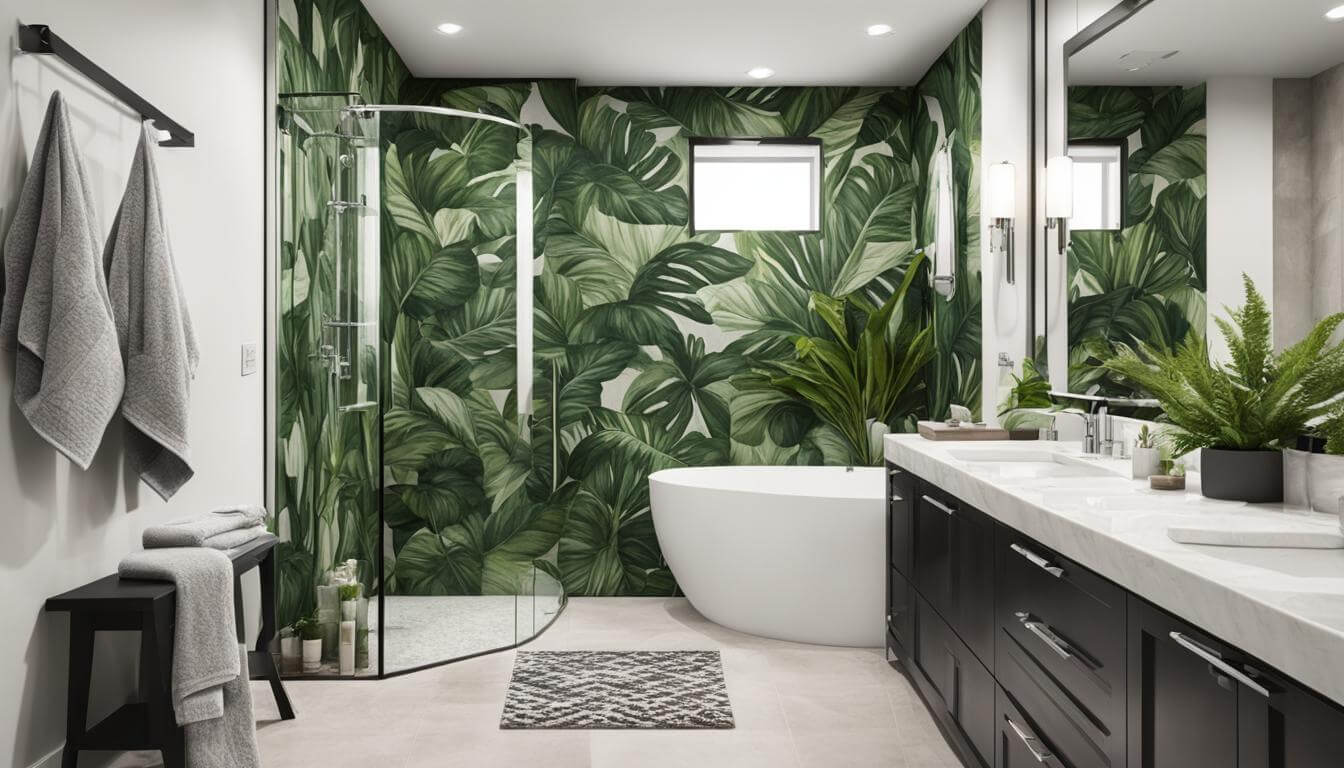
Decorating Your Bathroom: Combining Style and Functionality Transform your bathroom into your oasis by combining style and functionality. From bathroom decoration ideas to modern bathroom decor trends, this article provides everything you need to know to create a stunning and practical bathroom. Whether you’re renovating your current space or starting from scratch, this guide will help you design a bathroom that meets your needs and reflects your taste. Key Takeaways: Incorporate both style and functionality to create a bathroom that meets your needs. Assess your personal preferences, budget, and the available space before choosing a bathroom style. Maximize space utilization and optimize storage solutions to enhance your bathroom’s functionality. Stay up-to-date with the latest bathroom decor trends and use them to create a modern and stylish bathroom. Planning and professional advice are key elements in a successful bathroom renovation. Assessing Your Needs and Space Before you start decorating your bathroom, it’s vital to evaluate your requirements and the available space. Don’t forget to consider your personal preferences, budget, and the dimensions of your bathroom. By doing so, you can make thoughtful decisions that align with your needs. If you have a small bathroom, you might need to be creative in maximizing its functionality while ensuring a stylish design. In contrast, if you have a spacious bathroom, you’ll have more freedom to experiment with different layouts and styles. Assessing your needs and space can prevent costly mistakes and ensure you end up with a beautiful and functional bathroom that suits your lifestyle. Bathroom Dimensions and Suggestions Bathroom Type Dimensions Suggestions Small Bathroom Less than 50 sq ft Opt for light colors to create the illusion of space. Use a pedestal sink to save space. Incorporate shelving above the toilet for extra storage. Medium Bathroom Between 50-75 sq ft Use a freestanding tub to make a statement. Add a double vanity if you’re sharing the bathroom. Experiment with colorful tiles and fixtures. Large Bathroom Over 75 sq ft Consider adding a separate shower and a bathtub. Use a chandelier to create a sense of luxury. Incorporate a sitting area or a dressing room. Use the table above to gain a clearer sense of what works best for your bathroom dimensions. Remember that you can adjust these suggestions based on your preferences and budget. Next up, we’ll discuss how to find your ideal bathroom style to complement your home’s interior. Finding Your Bathroom Style Creating a functional and stylish bathroom relies on finding a bathroom style that speaks to you. There are various bathroom style options to choose from, such as modern, traditional, or transitional. By selecting a bathroom style that complements your home and aligns with your personal taste, you can achieve the perfect oasis. Explore popular bathroom style trends: Bathroom Style Description Modern Characterized by clean lines, minimalistic accents, and a monochromatic color palette. Traditional Defined by intricate detailing, ornate fixtures, and vintage accents. Transitional A modern twist on traditional style, with an emphasis on simplicity and understated luxury. Tip for incorporating your chosen style: “Incorporate your chosen bathroom style through accents and accessories such as towels, mirrors, and fixtures to avoid going over budget.” To create a truly unique bathroom, consider combining multiple styles. For example, mix a modern bathtub with traditional, vintage fixtures. Don’t be afraid to experiment and have fun while finding your bathroom style. Maximizing Functionality Through Design Your bathroom should not only look great but also be practical, functional, and meet all your needs. Here are some tips to help you achieve a functional bathroom design: Smart storage: Optimize space utilization by incorporating clever storage solutions, such as built-in-shelving, medicine cabinets, or under-sink drawers. Keep essential items like towels, cleaning supplies, and toiletries within easy reach. Easy access: Make sure everything in your bathroom is easy to access, from towels to toilet paper. Consider installing towel racks and toilet paper holders within arm’s reach of the toilet. Clever layout: Plan your layout strategically to make the most of your space. Consider the placement of fixtures and how they affect the flow of the room. It’s essential to have enough room to move around freely. By incorporating these functional design techniques and storage solutions, you can create a bathroom that perfectly meets your needs and maximizes its functionality. Small Bathroom Design Ideas If you have a small bathroom, maximizing functionality becomes even more critical. Here are some small bathroom design ideas: Idea Description Add a sliding door Swinging doors can take up a lot of space, especially in small bathrooms. A sliding door can create more room and also add a stylish touch to your bathroom. Install a corner sink If your bathroom is very narrow, consider installing a corner sink. It can save a lot of floor space and create a more open feel in the room. Choose a wall-mounted toilet A wall-mounted toilet takes up less floor space and can create a more streamlined look in your bathroom. It also makes cleaning the bathroom a lot easier. Use a pedestal sink A pedestal sink is an excellent choice for a small bathroom. It takes up minimal space and can also create the illusion of a larger room. These small bathroom design ideas can make a big difference in the functionality of your space. Incorporating Trending Bathroom Decor Keeping up with bathroom decor trends is easy and fun, especially with our expert tips and inspiration. From choosing color palettes to selecting the right bathroom fixtures and accessories, you can create a modern and stylish bathroom that will impress everyone. One of the latest trends in the world of bathroom decor is bringing natural elements into your bathroom. Consider incorporating natural textures, like wood, stone, or jute into your design, to create a serene and inviting atmosphere. Tip: When choosing fixtures, look for matte black or brushed brass finishing, as they are among the trendiest bathroom decor finishes today. If you prefer a more minimalist look, choose light color palettes, like white, gray, and beige, and
Read More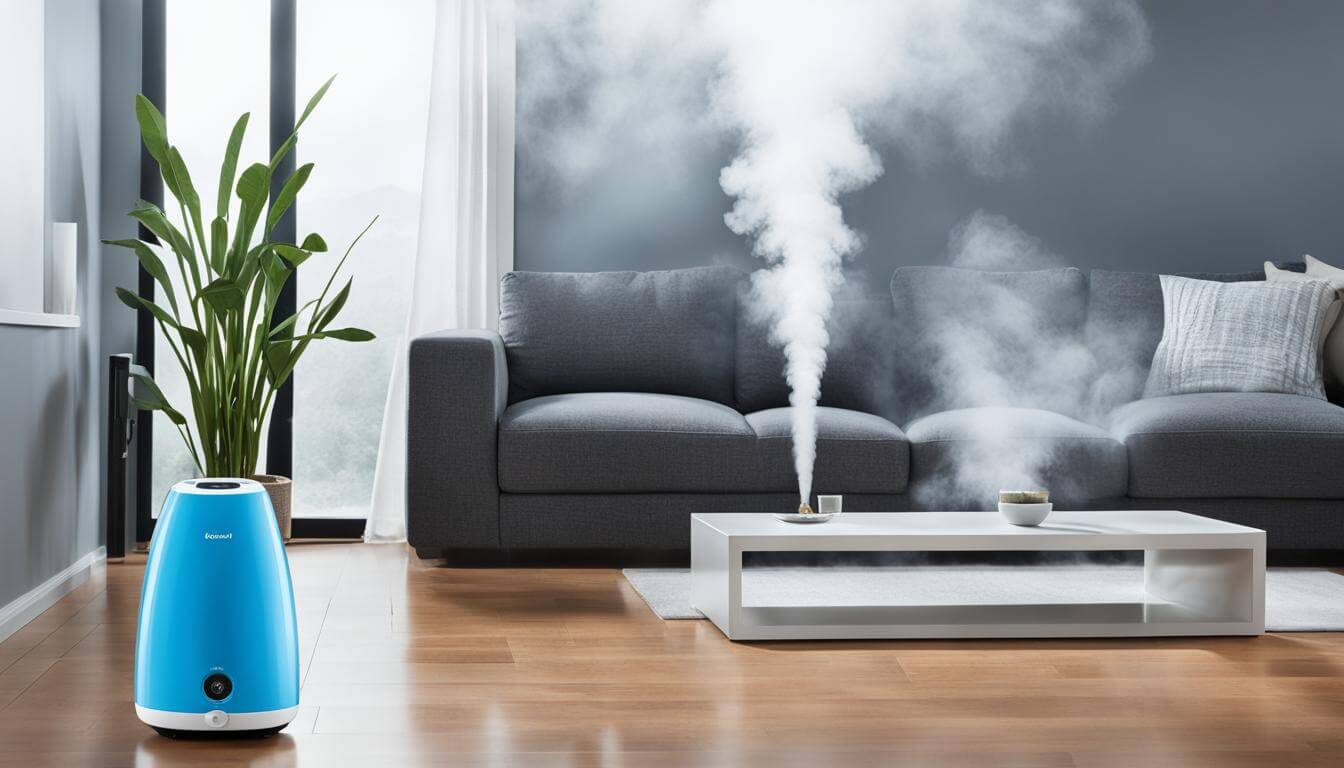
Cracking the Code of Dry Air: Solutions for a Comfortable Home Do you experience dry air in your home? It not only affects your comfort but can also impact your health and indoor air quality. Dry air can cause skin irritations, respiratory problems, and damage to your furniture and home appliances. To maintain an optimal indoor environment, it’s crucial to take the necessary steps to control the humidity levels in your home. In this article, we will explore effective dry-air solutions to help you achieve a comfortable, healthy living environment. We’ll explain the role of home humidity control in maintaining good indoor air quality, and how different solutions such as humidifiers and dehumidifiers can help. By the end of this article, you’ll have a good understanding of how to tackle dry air problems and maintain optimal humidity levels in your home. Key Takeaways Dry air can cause health issues and damage to your home, furniture, and appliances. Home humidity control is crucial in maintaining a comfortable and healthy indoor environment. Humidifiers and dehumidifiers are effective solutions to regulate humidity levels in your home. Choosing the right solution for your home requires considering several factors. Maintaining optimal humidity levels requires proper maintenance and troubleshooting. Understanding the Impact of Dry Air Dry air can create a range of problems in your home, affecting both your health and your living environment. Without proper humidity control, you may experience: Dry Air Problems Preventing Dry Air Dry, itchy skin Irritated sinuses and nose bleeds Increase in allergy symptoms and respiratory issues Dry, scratchy throat and cough Keep indoor plants Use a humidifier Seal windows and doors Limit the use of home appliances such as dryers and stoves Take preventive measures to avoid the detrimental effects of dry air. By mastering home humidity control, you can significantly improve indoor air quality and ensure a comfortable living environment for you and your family. The Role of Humidity in Home Comfort Did you know that maintaining optimal humidity levels in your home is crucial for your comfort, health, and overall indoor air quality? Maintaining appropriate humidity levels can prevent dry air, which can cause a range of problems, from skin irritation to respiratory issues. On the other hand, too much humidity can lead to dampness and mold growth, which can have serious consequences for both your health and your home. To ensure that your home isn’t too dry or too moist, you need to control the humidity level. In general, a comfortable humidity range is between 30-50%. To find out the current humidity level in your home, you can use a hygrometer – an instrument that measures humidity. If the humidity level in your home is too low, you can use a humidifier to add moisture to the air. On the other hand, if the humidity level is too high, a dehumidifier can help remove the excess moisture from the air. Not sure which solution is right for you? Keep reading the next section to explore the different types of humidifiers and dehumidifiers available in the market, or consult with an HVAC professional for expert advice to find the perfect solution for your home. Introducing Humidifiers and Dehumidifiers Combatting dry air is essential to maintaining a comfortable and healthy home environment. Fortunately, there are a variety of humidifiers and dehumidifiers available that can help regulate humidity levels in your home and improve your indoor air quality. Humidifiers add moisture to the air and are particularly useful during the winter months when the air is dry due to heating systems. They come in several types such as cool mist, warm mist, and ultrasonic humidifiers. Dehumidifiers, on the other hand, remove excess moisture from the air and can prevent problems like mold growth and musty odors. They come in portable or whole-home models and use various technologies such as refrigeration, absorption, or ventilation to extract moisture from the air. To determine the best solution for your home, it’s important to consider factors such as the size of your space, the level of moisture or dryness, and the specific issues you’re experiencing. With so many choices available, it may be helpful to consult with a professional. Choosing the Right Solution for Your Home Not all humidifiers or dehumidifiers are created equal, and choosing the right one for your home is crucial in preventing dry air and maintaining optimal humidity levels. When selecting a device, consider the following factors: Size: Ensure the device is appropriately sized for the space in which it will be used. Type: Consider the different types of humidifiers and dehumidifiers available and choose the one that best meets your specific needs. Noise: If the noise level is a concern, opt for devices that have soundproof features or operate quietly. Budget: Determine your budget and search for devices that fit within your price range. By taking these factors into account, you can find the right solution that will work best for you and your home. Additionally, always follow the manufacturer’s maintenance instructions to ensure the device functions properly and to prolong its lifespan. Maintaining Optimal Home Humidity Now that you have chosen the right humidifier or dehumidifier for your home, it’s important to maintain optimal humidity throughout the year to prevent dry air and ensure a comfortable living environment. Performing routine maintenance can help your device function efficiently and prolong its lifespan. Proper Maintenance Refer to the manufacturer’s instructions on how to maintain your device and perform regular cleaning to prevent mold growth and other issues. For humidifiers, use distilled or demineralized water to prevent mineral buildup, which can damage the machine and reduce its effectiveness. For dehumidifiers, regularly check and empty the water tank and clean the air filter. Troubleshooting Tips If you notice your humidifier or dehumidifier is not functioning correctly, check for obvious issues such as a clogged filter or a disconnected hose. If these are not the problem, refer to the owner’s manual for troubleshooting advice. You can also reach out to the manufacturer’s
Read More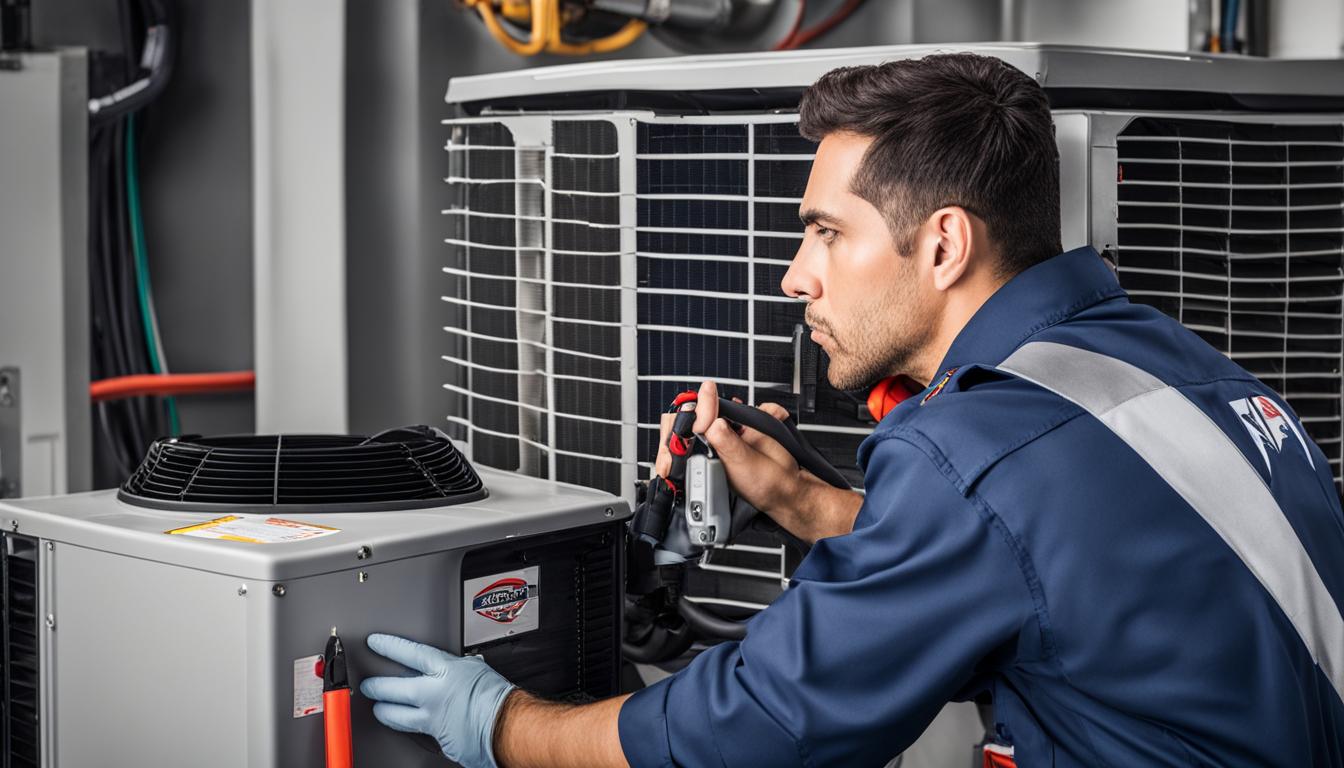
Air Conditioning Maintenance: Preserving Your Cooling Comfort If you’re like most homeowners, you rely on your air conditioning system to keep you cool and comfortable during the hot summer months. But did you know that regular air conditioning maintenance can help preserve your cooling comfort year-round? By taking care of your AC system, you can improve its efficiency, extend its lifespan, and avoid costly breakdowns. In this section, we’ll explore the importance of air conditioning maintenance and share practical tips on how to keep your AC system in top condition. From basic upkeep tasks to more complex maintenance needs, we’ll cover everything you need to know to ensure your cooling system operates efficiently and effectively. Key Takeaways: Regular air conditioning maintenance is crucial for preserving your cooling comfort at home. Proper maintenance can improve AC system efficiency, extend its lifespan, and prevent costly breakdowns. Following a regular maintenance schedule and seeking professional help when needed can help ensure your AC system always operates at peak performance. DIY maintenance tasks like cleaning filters and coils can improve AC system performance and save energy. Choosing a reliable HVAC maintenance service provider is critical for addressing complex maintenance issues and keeping your cooling system in top shape. Why is Air Conditioning Maintenance Important? If you want to ensure your air conditioning system lasts for years, you need to pay attention to its maintenance. Regular air conditioner service and maintenance are critical for several reasons. Prevents Breakdowns The last thing you want on a hot summer day is for your air conditioning system to break down. Regular maintenance can help prevent sudden failures and breakdowns, saving you time, money, and discomfort. Improves Energy Efficiency A well-maintained air conditioning system runs more efficiently, which not only reduces your energy bills but also reduces your impact on the environment. Air conditioner maintenance tips such as cleaning or replacing filters, checking refrigerant levels, and sealing ducts can all help improve energy efficiency. Extends Lifespan Regular upkeep and air conditioner service can extend the lifespan of your cooling system, saving you from the hefty cost of repair or replacement. Routine maintenance tasks such as lubricating moving parts, checking electrical connections, and inspecting coils and fins can help detect and fix small problems before they lead to bigger issues. Therefore, the importance of air conditioning maintenance cannot be overstated, and you should incorporate these air conditioner upkeep tips to keep your cooling system running smoothly for years. DIY AC Maintenance Tips Regular air conditioner maintenance is essential for keeping your unit performing at its best. By performing some basic maintenance tasks yourself, you can help extend the lifespan of your cooling system and ensure it runs efficiently year-round. Follow this AC maintenance checklist to help keep your unit in optimal condition: Maintenance Task Frequency Description Filter Cleaning or Replacement Monthly A dirty or clogged filter can restrict airflow and reduce your AC’s effectiveness. Clean or replace filters monthly for optimal performance. Coil Cleaning Annual or Bi-Annual Depending on the Use Dirty coils can cause your AC to work harder. Clean coils at least once a year or more frequently depending on usage. Duct Inspection Every 3 years Inspect ducts for leaks or damage to ensure proper air distribution and reduce energy waste. Thermostat Check Annually Ensure your thermostat is working correctly and set to the optimal temperature for your comfort and energy savings. Schedule Professional Maintenance Annually or Bi-Annually Professional maintenance can detect and address issues before they escalate, ensuring optimal performance and extending the lifespan of your AC unit. In addition to these tasks, it’s always a good idea to inspect your unit regularly for any signs of wear and tear or unusual noises. By taking care of your air conditioning system, you can enjoy long-lasting comfort and energy savings. When to Call in the Professionals Regular air conditioning maintenance tasks performed by homeowners can go a long way in keeping the cooling system efficient and functioning. However, some issues require professional attention, and knowing when to call in the experts can save you from costly repairs and system failures in the future. Signs of AC Problems If your air conditioner is displaying any of the following signs, it’s advisable to get professional help: Frequent breakdowns or malfunctions Unusual noises or smells Uneven cooling or warm air blowing from vents Increased energy bills despite no changes in usage Addressing these problems promptly with professional air conditioner service can prevent further deterioration and keep your cooling system in optimal condition. Choosing a Reliable HVAC Maintenance Service Provider When searching for a reliable HVAC maintenance service provider, it’s important to consider the following: Experience and expertise in air conditioner service and cooling system maintenance Positive customer reviews and ratings Recommendations from friends, family, or trusted professionals Transparent pricing and detailed service agreements Convenient scheduling and emergency services Remember, professional air conditioner service and cooling system maintenance will not only extend the lifespan of your AC equipment but also ensure the safety and comfort of your home. By knowing when to seek professional help and selecting a reliable service provider, you can enjoy long-term cooling comfort and energy savings. Regular Maintenance for Long-Term Comfort To keep your air conditioning system functioning optimally for years to come, regular air conditioning maintenance is crucial. With periodic check-ups and scheduled maintenance, you can prevent major repairs and unexpected breakdowns, ensuring that your cooling system always operates at its best. Regular air conditioning maintenance can improve energy efficiency, reduce electricity costs, and enhance your indoor air quality. It can also prevent problems such as refrigerant leaks, clogged filters, and malfunctioning evaporator or condenser coils. Performing simple checks and maintenance procedures can save you money, time, and frustration. Table: Benefits of Regular HVAC Maintenance Benefits Description Lower Electricity Bills Regular maintenance ensures optimal performance and energy efficiency, reducing your electricity bills. Improves Indoor Air Quality Clean filters and coils result in cleaner air conducive to better health and well-being. Lengthens Equipment Lifespan Regular maintenance can
Read More